Capernaum (2018)

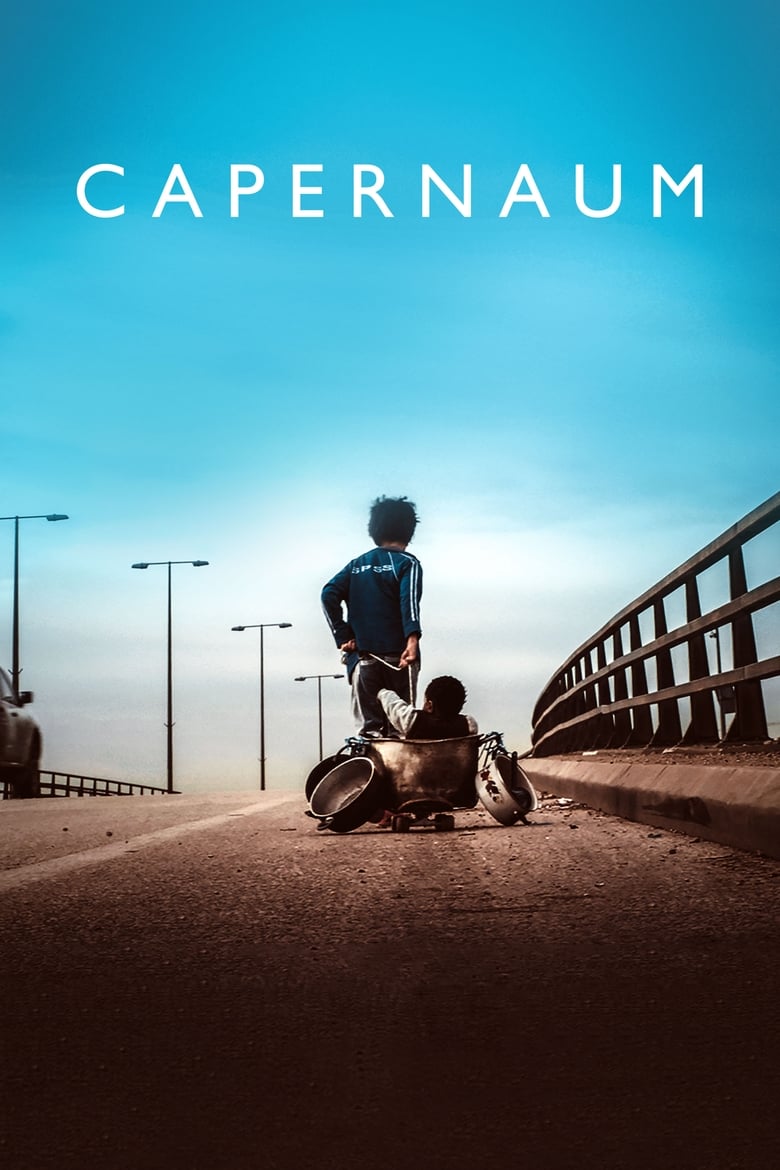
There's a scene early in Capernaum that sets the tone for everything that follows: a hardened, streetwise twelve-year-old boy, sitting in a courtroom, announcing that he is suing his own parents for bringing him into the world. It's one of the most staggering opening gambits I've encountered in recent memory. Before you've had a chance to settle in, Nadine Labaki has grabbed you by the collar and made it absolutely clear she's not letting go.
The premise alone is extraordinary. A young Lebanese boy, having run away from his negligent parents, committed a violent crime, and been handed a five-year prison sentence, turns the tables and hauls the people who gave him life into the dock. He doesn't want compensation. He wants accountability. He wants someone to answer for the fact that he was born into a life no child should ever have to endure. It's a bold, almost operatic hook, and yet the film earns every bit of the drama it wrings from it because it grounds everything in a raw, documentary-like authenticity that makes the whole thing feel desperately, painfully real.
From a purely craft standpoint, this film is remarkable. The streets of Beirut, chaotic and vibrant and brutally impoverished, are captured with a stunning immediacy that pulls you into every frame. You feel the heat, the noise, the relentless grind of survival. And the performances, particularly from the young cast, are extraordinary. There's a lived-in realism to the acting that you simply cannot manufacture in a conventional casting process. These kids don't feel like they're performing. They feel like they're just existing, and that distinction makes all the difference. It gives the film a heartbreaking, almost unbearable authenticity.
I've seen Beirut through a few different lenses on screen. Films like Beirut, My City and Children of Shatila both grapple with the city's trauma and its people's resilience in ways that have stayed with me. Capernaum sits in that same tradition, but it arrives with a very specific urgency: this is not history. This is happening now. The children trafficked, married off, left to fend for themselves on streets that have no interest in their survival. Labaki forces you to look at it without flinching, and she refuses to let you look away.
I want to be honest about something, though, because I think it matters. This is a film I never care to watch again. And I mean that with complete sincerity, and without a single ounce of criticism attached to it. The emotional weight of Capernaum is simply devastating. It sits on your chest long after the credits have rolled and doesn't shift easily. That reaction isn't a weakness in the film. It's proof of exactly how well Labaki has done her job. She's made something that genuinely wounds you because it should wound you. The comfortable distance we usually maintain from this kind of suffering gets stripped away, and you're left sitting with the discomfort of recognising how lucky most of us are, and how little we do with that luck.
Because that's really what the film is saying, beneath all its heartbreak and rage and desperate, clinging humanity. No matter how hard any of us think we have it, some people have it in ways that are almost incomprehensible. Child marriage, trafficking, statelessness, poverty so grinding it becomes its own kind of violence. These aren't abstract political issues in Capernaum. They have faces. They have names. They look directly into the camera, and they do not blink.
Labaki has made something profoundly moving and beautifully realised here, a film that breaks your heart and then asks what you're going to do about it. It demands better from the world on behalf of those who have no power to demand it for themselves. Difficult, painful, and absolutely essential.
Four stars.
Rating: ★★★★ | Year: 2018 | Watched: 2026-06-30
Where to watch
Watch in the UK
Rent: Apple TV Store · Amazon Video · Google Play Movies · Sky Store
Buy: Apple TV Store · Amazon Video · Google Play Movies · Sky Store
Physical: Amazon UK · Zavvi
Watch in the US
Rent: Amazon Video · Apple TV Store · Google Play Movies · YouTube
Buy: Amazon Video · Apple TV Store · Google Play Movies · YouTube
Physical: Amazon US
Affiliate disclosure: Movies With Macca may earn a small commission on purchases or subscriptions started via these links. It costs you nothing extra.