There Will Be Blood (2007)

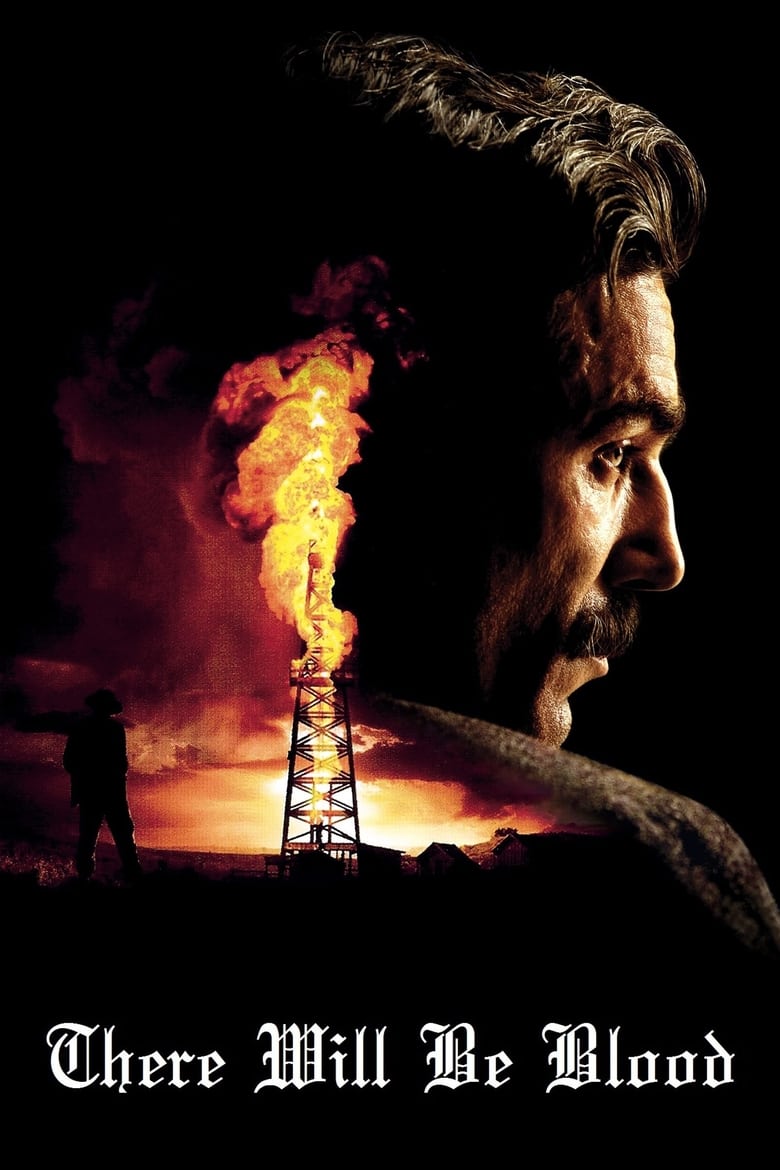
A man finds oil, drills it, and gets rich. That is genuinely it. On paper, the plot of Paul Thomas Anderson's epic is staggeringly simple, and yet what he does with that bare-bones premise is something remarkable. This is a towering, standalone classic of modern cinema, and I find myself thinking about it long after it's over, which is about the highest compliment I can pay any film.
Daniel Day-Lewis plays Daniel Plainview, a man whose discovery of black gold kickstarts a relentless, all-consuming obsession. It is a story of empire-building, staggering success, and profound, isolating loss, all driven by a performance that I genuinely struggle to find the right words for. Day-Lewis is at the absolute peak of his powers here. That isn't hyperbole. He carries an almost gravitational weight in every scene, and the alarming thing is how he makes you feel the pull of Plainview's charisma even as the man reveals himself to be utterly, terrifyingly hollow inside. It's a genuine enigma, watching such raw, projected emotion from a character who is entirely devoid of it.
What really gets under your skin is the sheer, oppressive atmosphere Anderson builds from the very first frame. The cinematography is beautiful in the way that bleak, unforgiving landscapes can be beautiful, capturing early 20th-century America with a painterly, almost tactile eye. But it's the threat lurking in the seemingly mundane moments that truly distinguishes it. You'll be watching a scene that is nothing but two men talking across a wooden table, and the tension is ratcheted up to breaking point. A massive part of that is down to Jonny Greenwood's score, which pulses and scrapes with discordant, unsettling energy. It knows exactly when to tighten the noose and when to offer a brief, deceptive moment of calm.
Then there's Paul Dano. I know a fair few critics have historically had a bone to pick with his theatrical style, but I think he's a genuinely fantastic actor, and he is absolutely brilliant here as the snivelling, ambitious young pastor Eli Sunday. He provides the exact friction that Plainview needs. Their dynamic is the venomous, beating heart of the film. Watching these two circle each other, trading barbs and thinly veiled threats, is one of the finest displays of screen acting I can remember. It reminded me, in the best possible way, of the grand, volatile male rivalries in Gangs of New York (2002), that same sense of two enormous forces grinding against each other until something finally cracks.
If I had to find a single flaw, it would be that the very simplicity of the plot, which is one of its greatest strengths, can occasionally make the narrative feel a touch sparse when you consider the sum of it all. There are stretches where you feel the weight of the running time. But that is a microscopic quibble in the face of such a monumental achievement, and I'd sooner sit with that minor restlessness than watch a lesser film pack its runtime with noise.
Anderson has crafted a deeply affecting, visually stunning character study that lingers in the mind long after the credits roll. It's the kind of film that rewards patience and repays repeat viewings. If you're drawn to stories of ambition corroding into something monstrous, you might also find Nightcrawler (2014) scratches a similar itch, though it operates at a very different register.
Four and a half stars. Cracking, unforgettable, and essential.
Rating: ★★★★½ | Year: 2007 | Watched: 2026-08-06
Where to watch
Watch in the UK
Stream: Amazon Prime Video · Paramount Plus · Paramount+ Amazon Channel · Amazon Prime Video with Ads
Rent: JustWatch TV · Apple TV Store · Rakuten TV · Amazon Video
Buy: Apple TV Store · Rakuten TV · Amazon Video
Physical: Amazon UK · Zavvi
Watch in the US
Stream: fuboTV · Paramount Plus Premium · Paramount Plus Essential · Paramount+ Amazon Channel
Rent: Amazon Video · Apple TV Store · Google Play Movies · YouTube
Buy: Amazon Video · Apple TV Store · Google Play Movies · YouTube
Physical: Amazon US
Affiliate disclosure: Movies With Macca may earn a small commission on purchases or subscriptions started via these links. It costs you nothing extra.