Nightcrawler (2014)

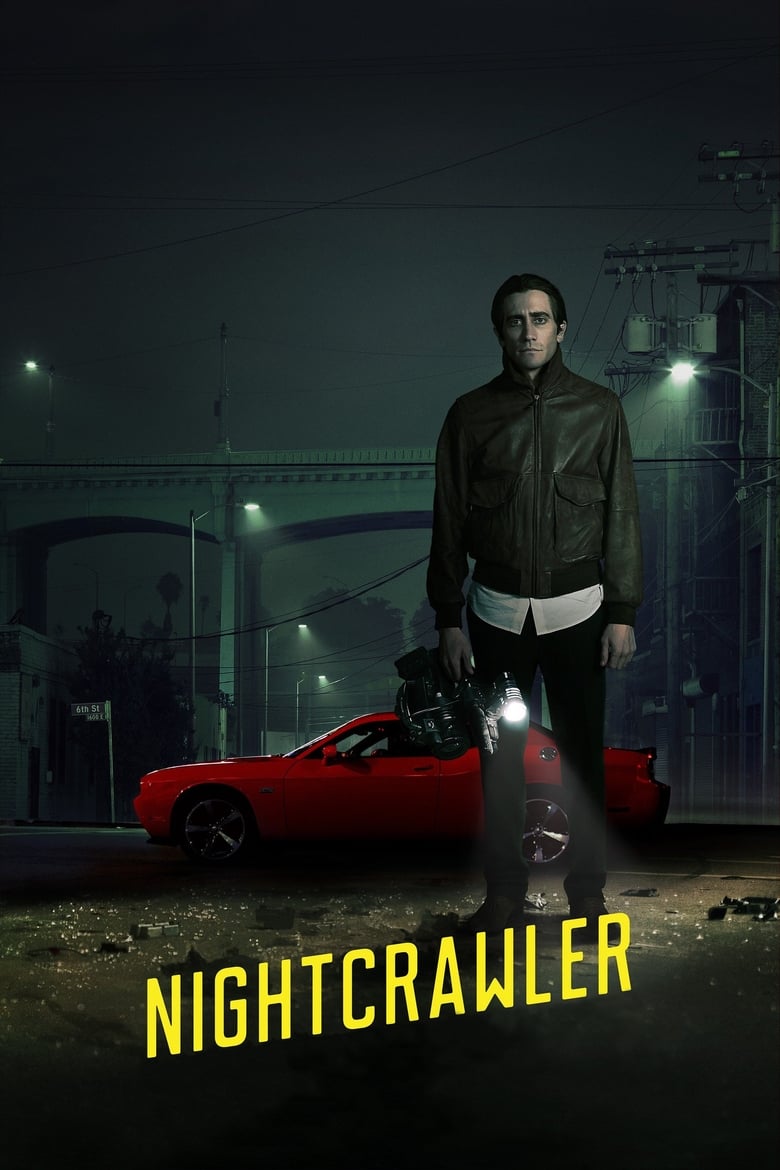
The most genuinely terrifying thing about Nightcrawler isn't the nocturnal car chases, or the flashbulbs popping in blood-soaked suburban living rooms. It's the creeping, stomach-dropping realisation that people like Louis Bloom actually exist. I've crossed paths with them in the corporate world, creatures so utterly robotic in their daily operations that they recycle textbook business-speak with a completely emotionless candour, as though empathy is simply a module they never installed. Watching Jake Gyllenhaal bring this specific breed of sociopath to the screen, I found myself shivering, and not from any manufactured horror. It was the stark, unvarnished reality of it all that got under my skin.
Gyllenhaal's physical transformation and that famous unblinking stare are only half the battle. It's his vocal cadence that truly sells it: the measured, self-help-guru cheerfulness of a man who has entirely bypassed human feeling and replaced it with a kind of hollow, predatory optimism. Bloom spots a gap in the market, literally, filming grisly accident scenes and violent crime sprees and flogging the desperate B-roll that local news channels will pay handsomely for. He operates without guilt, without hesitation, without a single flicker of doubt. It's the kind of performance that makes you want to look away even as you're completely mesmerised. I kept thinking of American Psycho as it unfolded, that same unsettling blend of satire and genuine menace, where you're laughing and deeply uncomfortable at exactly the same moment.
But for all of Bloom's monstrous ambition, Dan Gilroy's sharpest blade is reserved for the media ecosystem that enables him. The real indictment here isn't just one bad apple. It's a scathing portrait of a news industry that actively incentivises and rewards harrowing, blood-curdling tragedy for ratings, that turns suffering into content and calls it public service. Rene Russo is fantastic as the ruthless news director who happily feeds this beast, a woman who knows exactly what she's doing and does it anyway. Riz Ahmed delivers a really strong, deeply sympathetic supporting turn as Rick, the naive, financially desperate assistant who gets slowly dragged into Bloom's moral abyss. The dynamic between the three of them is where the film's broader argument lives. It shows, quietly and convincingly, how capitalism and sensationalism grind down the vulnerable while the shameless flourish.
The script is tight throughout, but what really separates this from a standard character study is the strength of its finale. Rather than reaching for a neat, moralising resolution, Gilroy doubles down on his cynical thesis. The climax is darkly comic and genuinely satisfying in the most unsettling way possible, leaving you with a profound sense of unease that lingers long after the credits roll. There's no comeuppance, no catharsis in the traditional sense. Just the logic of the world the film has built, followed through to its conclusion with ruthless consistency. That's a hard thing to pull off, and it's pulled off brilliantly.
It's a cracking piece of modern thriller-making. The scariest monsters, it turns out, don't hide under the bed. They hold press passes, smile for the camera, and quote motivational literature at you while they ruin your life. Four stars.
Rating: ★★★★ | Year: 2014 | Watched: 2026-08-03
Where to watch
Watch in the UK
Stream: Netflix · Sky Go · BFI Player Amazon Channel · Now TV Cinema
Rent: Apple TV Store · Rakuten TV · Amazon Video · Sky Store
Buy: Apple TV Store · Rakuten TV · Amazon Video · Sky Store
Physical: Amazon UK · Zavvi
Watch in the US
Stream: Netflix · Sundance Now · Netflix Standard with Ads · Shout! Factory Amazon Channel
Rent: Amazon Video · Apple TV Store · YouTube · Fandango At Home
Buy: Amazon Video · Apple TV Store · Google Play Movies · YouTube
Physical: Amazon US
Affiliate disclosure: Movies With Macca may earn a small commission on purchases or subscriptions started via these links. It costs you nothing extra.