The Missing Picture (2013)

Some of my wife's family hails from Cambodia, so I've heard my fair share of harrowing stories about the Khmer Rouge over the years. Those conversations, shared around kitchen tables and over family dinners, are heavy in a way that's hard to articulate. And yet, for all that personal exposure to the subject, nothing quite prepared me for the sheer, unadulterated emotional weight of Rithy Panh's documentary, The Missing Picture.
When you think of films about Pol Pot's regime, you usually brace yourself for the standard, stomach-churning barrage of archival footage and grim historical photographs. Panh, however, throws that conventional playbook out the window entirely. His approach is deeply unconventional, almost surreal, and it grabs you by the collar from the very first frame.
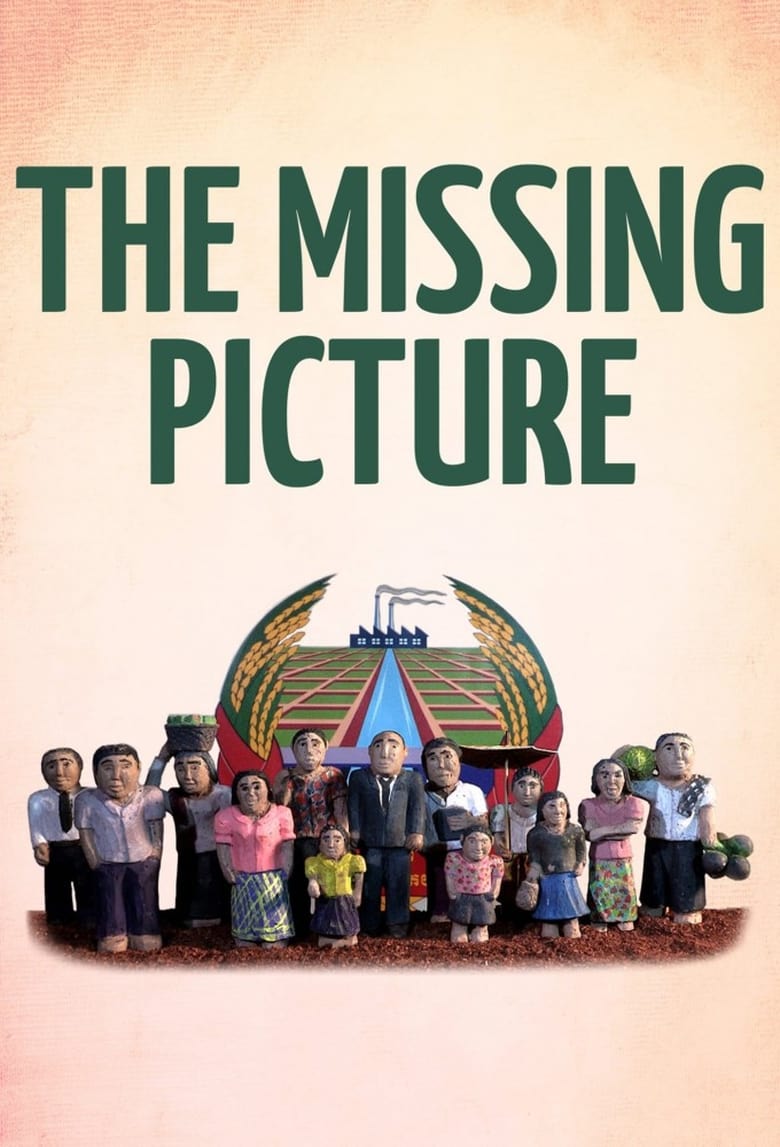
Rather than leaning on the usual grim archival reels, Panh tells his own family's story of survival and displacement using meticulously crafted clay figurines. Tiny, wide-eyed figures arranged against miniature, hand-painted backdrops, brought to life to bear witness to things no camera was permitted to record. Written down like that, it sounds like a bizarre creative gamble, and honestly, I half expected it to feel gimmicky. It doesn't. It works brilliantly. By choosing this method, Panh manages to convey the absolute horror of that dark period without resorting to gratuitous real-life imagery. The distance created by the clay figures doesn't diminish the pain, it somehow intensifies it, because you're always aware of the absence at the heart of the film: the pictures that were never taken, the lives that left no trace.
It's also a cracking stylistic choice in terms of accessibility. I'd comfortably recommend this to older secondary school students studying the period. It's certainly not one for young children, but for teenagers grappling with twentieth-century history, it offers a way into deeply traumatic subject matter that doesn't feel exploitative or sensationalised. That's no small achievement.
That said, I'd be doing you a disservice if I didn't own up to its flaws. Because the entire ninety-minute runtime commits so fully to this singular visual metaphor, the film can feel a bit one-note as it moves through its middle stretch. There are passages where the narrative momentum genuinely stalls, and the repetition of the claymation technique begins to test your patience, just a fraction. When you're dealing with such unrelenting subject matter, a touch more variation in the visual delivery might have helped break up the density and stopped the emotional impact from plateauing. It's the kind of film that hits hardest at its opening and closing, with a somewhat flatter middle section that you have to push through.
I'm reminded, thinking about this film, of how Turtles Can Fly approached a different conflict in the region with a similarly unconventional eye, finding humanity and even dark absurdity in circumstances that could easily have been rendered purely as misery. Both films are doing something more interesting than simple testimony, and both reward the patience they ask of you.
For all its minor pacing issues, The Missing Picture remains a profoundly important piece of work that more than justifies its unconventional methods. It held my attention from start to finish, and by the end I felt I'd learned something real, not just a list of facts, but something felt, about a historical tragedy that is too often reduced to dry statistics or a single famous film. Panh has made something deeply personal and visually striking, a film built around loss and absence that somehow, against the odds, recovers a kind of truth from the void.
Three and a half stars.
Rating: ★★★½ | Year: 2013 | Watched: 2026-07-17
Where to watch
Watch in the UK
Rent: Apple TV Store · Amazon Video · Google Play Movies · YouTube
Buy: Apple TV Store · Amazon Video · Google Play Movies · YouTube
Physical: Amazon UK · Zavvi
Watch in the US
Stream: Strand Releasing Amazon Channel
Rent: Amazon Video · Apple TV Store · Google Play Movies · YouTube
Buy: Amazon Video · Apple TV Store · Google Play Movies · YouTube
Physical: Amazon US
Affiliate disclosure: Movies With Macca may earn a small commission on purchases or subscriptions started via these links. It costs you nothing extra.