The Message (1976)

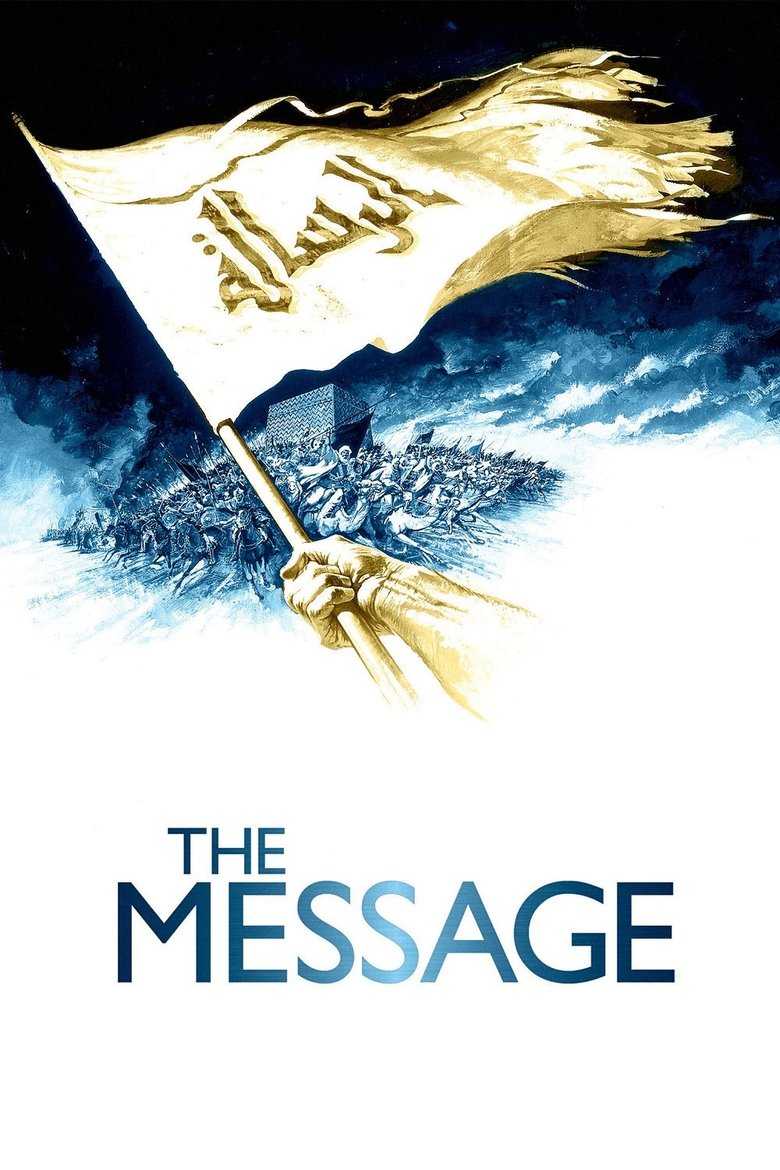
There's a genuine audacity to what Moustapha Akkad attempts here, and for the most part, he pulls it off. The Message sets itself one of the most extraordinary creative challenges in the history of historical epic filmmaking: tell the story of the birth of Islam, with the Prophet Muhammad at the centre of everything, while never once showing him on screen. In the hands of a lesser filmmaker, that restriction would be a creative death sentence. Akkad treats it as an opportunity, and the result is something genuinely remarkable.
The film transports us back to sixth-century Mecca, chronicling the earliest days of Islam as the Prophet receives his first revelations and begins his public calling, drawing the fierce hostility of the city's ruling class. The opposition is formidable, and the persecution of the early believers is depicted with real visceral weight. Akkad navigates the central religious constraint with immense dignity: POV shots, clever framing, perspective changes and reactions from those around the Prophet all combine to make his presence deeply, powerfully felt without ever breaking Islamic law. It's a brilliant piece of filmmaking problem-solving, and it works far better than you'd expect going in.
In terms of sheer scale and spectacle, this genuinely feels like the Ben-Hur of Islamic cinema. The battle sequences are enormous, the desert cinematography is sweeping and gorgeous, and the whole production carries the weight of something that clearly mattered deeply to the people who made it. It reminded me immediately of Lion of the Desert (1980), Akkad's other great historical epic, which shares not just a similar ambition but also its legendary leading man. Anthony Quinn is an absolute force of nature here, bringing enormous, scene-chewing gravitas to the role of Hamza, the Prophet's uncle. He commands every frame he's in. Irene Papas matches him brilliantly as Hind, delivering a fierce, layered performance that gives the opposition a genuine human menace. The ensemble as a whole does a cracking job of grounding the sprawling historical canvas in recognisable, relatable emotion.
But I have to be honest about the film's biggest problem, because it's a significant one: it is far, far too long. Clocking in at nearly three hours, The Message tests your patience in ways that feel largely avoidable. The middle act in particular drags badly, getting bogged down in political manoeuvring and extended dialogue sequences that slow the whole thing to a crawl before the large-scale battles eventually arrive and wake you back up. A tighter edit, losing maybe forty minutes from the middle, would have made this a much stronger film. As it stands, it's a genuine commitment, and not every viewer is going to make it through without a fidget or two.
It's worth sticking with, though. Despite the bloated runtime, the reverence and care Akkad brings to this material is palpable throughout. This was clearly a passion project of the deepest kind, a filmmaker determined to tell a story central to his own faith and culture with the grandeur it deserved, and on his own terms. That passion comes through in every frame, from the intimate moments of early belief to the thundering spectacle of the later battles. The film handles profound religious history with a seriousness and respect that's genuinely moving, even for viewers who don't share that faith.
Three and a half stars.
The Message is a hugely watchable, visually stunning and historically fascinating piece of work. It asks a lot of your time and, frankly, your bladder. But Akkad's ambition, Quinn's towering performance and that extraordinary central creative decision make it well worth the effort. Just maybe schedule it for a lazy Sunday afternoon rather than a weeknight.
Rating: ★★★½ | Year: 1976 | Watched: 2026-07-08
Where to watch
Watch in the UK
Rent: Amazon Video
Buy: Amazon Video
Physical: Amazon UK · Zavvi
Watch in the US
Rent: Amazon Video · Apple TV Store · Google Play Movies · YouTube
Buy: Amazon Video · Apple TV Store · Google Play Movies · YouTube
Physical: Amazon US
Affiliate disclosure: Movies With Macca may earn a small commission on purchases or subscriptions started via these links. It costs you nothing extra.