Z (1969)

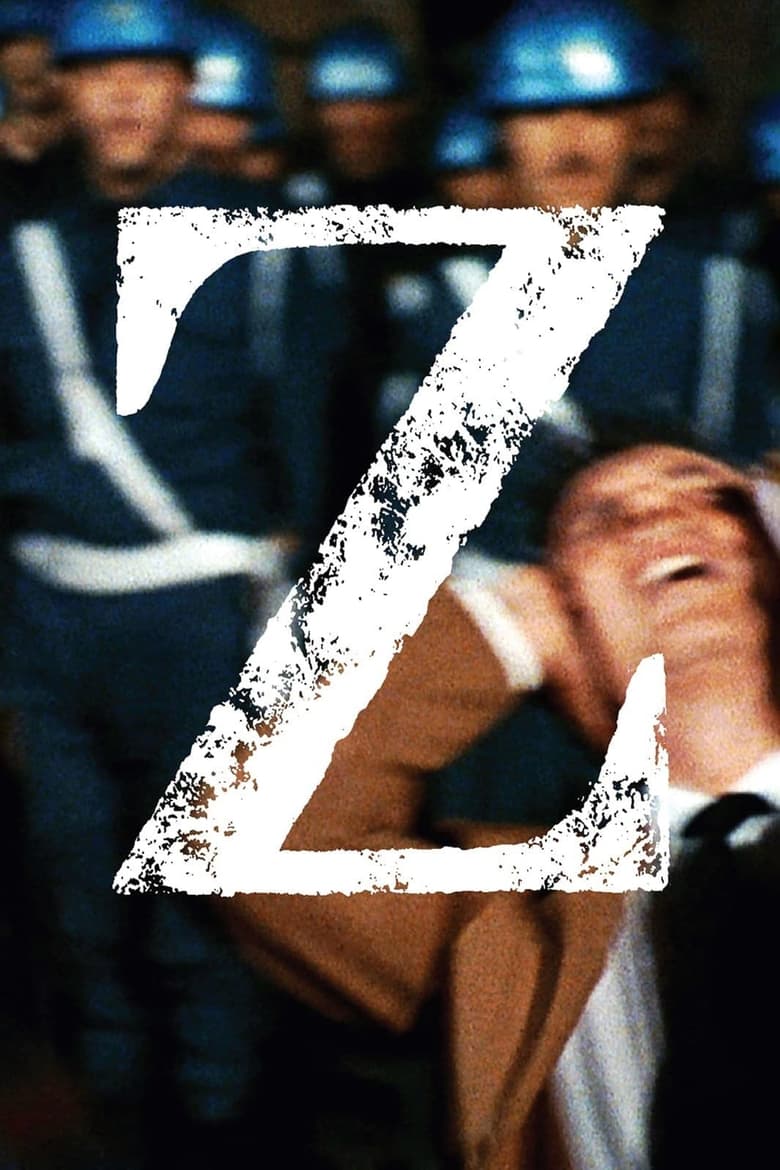
Roger Ebert called Z his favourite film of 1969. It made history as the first film ever nominated for both Best Picture and Best Foreign Language Film at the Academy Awards. It sits near the top of Letterboxd's all-time charts and is routinely name-checked whenever anyone wants to talk about the gold standard of political cinema. So I went in with my expectations sky-high, braced to be floored. And Costa-Gavras's film is, in many ways, genuinely brilliant. It's just not quite the relentless thriller I was hoping it would be.
The opening act earns every bit of that reputation. There's a taut, almost electric urgency to the way the story sets itself up: a charismatic leftist deputy is assassinated in broad daylight, and what follows is a cat-and-mouse investigation as a determined magistrate tries to cut through layers of state-sponsored lies to get at the truth. When the film settles into its Rashomon groove, watching the same events refracted through the accounts of different witnesses and political actors, each with their own agenda, it's absolutely gripping. Costa-Gavras is a genuinely skilled filmmaker, and the performances from his leads are grounded and utterly convincing. The world he builds feels paranoid and dangerous in all the right ways. You believe every frame of it.
But here's the rub. I really struggled to stay with it for the full runtime, and that's not something I say lightly about a film carrying this kind of pedigree. The deeper the investigation goes, the more the film retreats into rooms full of men arguing over legalities and bureaucratic procedure, scene after scene of deliberate, talky confrontation that stretches the patience considerably. There's a fine line between meticulous and exhausting, and for long stretches in the second half, Z crosses it. The tension that Costa-Gavras builds so carefully in the early going just bleeds away during those drawn-out passages, and no amount of thematic weight fully compensates for that.
I want to be fair here, because the film clearly means what it says. This is a story ripped from real political events, a furious indictment of state violence and institutional corruption, and Costa-Gavras never loses sight of that anger. The detail in the cover-up sequences exists precisely to show you how painstakingly, bureaucratically evil these systems are. I get that. But understanding the intention and actually enjoying the experience are two different things, and by the time the film reached its closing stretch, I was feeling the length more than the outrage.
It put me in mind of The Battle of Algiers, another landmark of politically charged European cinema from roughly the same era that I find myself admiring enormously while also finding it a tough sit in places. There's a shared commitment to documenting systemic injustice with almost documentary rigour, and that rigour can be both the making and the undoing of a film depending on where you catch it.
Z is a landmark, no question. It earns its place in the history books, and there are sequences here that are as tense and brilliantly constructed as anything you'll find in the genre. The Rashomon-style piecing together of the assassination is as compelling as political filmmaking gets, and the performances are rock solid throughout. But if you're going in expecting a tight, propulsive thriller that holds you by the collar from first frame to last, prepare yourself for a fair bit of a bureaucratic marathon along the way.
Three and a half stars. A vital, important film. Just not a flawless one.
Rating: ★★★½ | Year: 1969 | Watched: 2026-06-12
Where to watch
Watch in the US
Stream: Criterion Channel · HBO Max
Rent: Apple TV Store
Buy: Apple TV Store
Physical: Amazon US
Affiliate disclosure: Movies With Macca may earn a small commission on purchases or subscriptions started via these links. It costs you nothing extra.