The Lesson (2014)

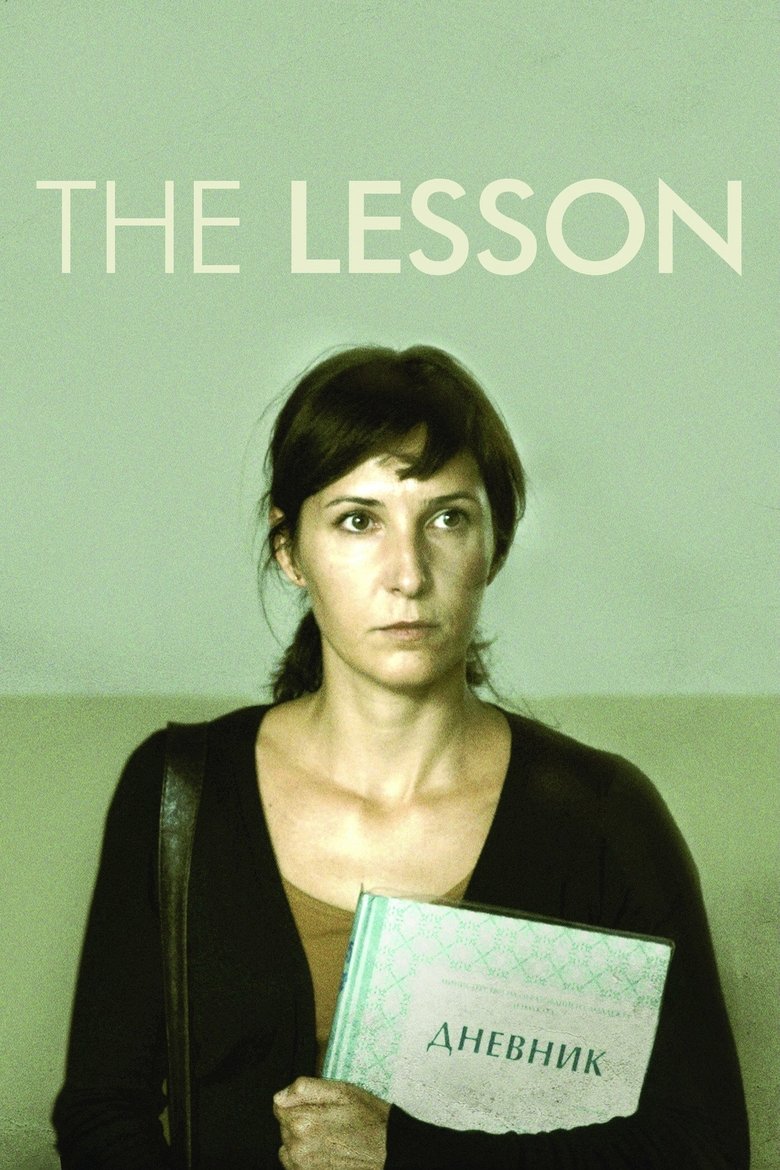
There's a specific kind of patience required to sit through a truly slow-burning character study, and Kristina Grozeva and Petar Valchanov's Bulgarian drama The Lesson certainly tests it. But honestly, the deliberate pacing isn't the film's biggest flaw. The real tension at the heart of this thing is the central, agonising irony of its premise, and for a good stretch, that irony is genuinely gripping.
We follow a hardworking, deeply principled schoolteacher who is woefully underpaid, often facing delayed wages, while simultaneously trying to manage her young daughter's mounting health issues. It's a crushing, relatable setup that immediately grounds the film in a bleak, lived-in reality. The world feels worn and honest, the kind of poverty that doesn't announce itself dramatically but just quietly grinds people down. There's no melodrama in the early going, just the slow accumulation of pressure.
Fair play to Margita Gosheva, who carries this film almost entirely on her own shoulders and does an absolutely cracking job of it. It's a demanding role that requires her to project both rigid moral authority and desperate, quiet panic, often within the same scene. This duality is where the picture finds its most interesting footing. There's a brilliant, uncomfortable tension in watching her fiercely lambast a student for the minor crime of stealing, all while she herself is quietly resorting to increasingly extreme, morally dubious measures just to pay off a predatory loan. The hypocrisy is palpable, and Gosheva sells every agonising second of it without ever making her character feel like a simple hypocrite. You understand why she is the way she is, and that understanding makes it worse.
It reminded me a little of the moral texture I found in Aferim!, that same sense of watching a person navigate a system that is rigged against them while still somehow complicit in their own undoing. Eastern European cinema does this kind of thing extraordinarily well, and for the first half, The Lesson is a fine example of it.
But as the narrative takes a decidedly dark and seedy turn, the film starts to lose its footing. Grozeva and Valchanov clearly want to push their protagonist into a moral abyss, and you can feel them steering hard in that direction. The trouble is the execution occasionally feels like a bit of a mess. The emotional threads so carefully woven in the first half simply don't arrive at a satisfying conclusion. The whole saga with the loan sharks fizzles out rather than delivering a sharp, meaningful payoff. I found myself watching a character spiral, but without the narrative architecture to make that spiral feel entirely earned or impactful. There's a third act here that needed another draft, or at least a braver final decision about where to leave things.
It's frustrating precisely because the bones are so good. When a film sets up a dilemma this rich, a woman of fierce principle slowly becoming the thing she despises most, you want it to land with some force. Instead, it sort of trails off, and you're left with the aftertaste of a film that almost got there.
If you're interested in Bulgarian cinema more broadly, I've also had a look at Zift, which takes a very different tonal approach but shares that same underlying bleakness about the world and the people trying to survive it.
Three stars. The Lesson is watchable, and at times genuinely compelling. Gosheva alone is worth your time. But there's a better film buried inside this one, and the version that made it to the screen doesn't quite do the premise justice.
Rating: ★★★ | Year: 2014 | Watched: 2026-07-17
Where to watch
Watch in the UK
Rent: Apple TV Store · Amazon Video
Buy: Apple TV Store · Amazon Video
Physical: Amazon UK · Zavvi
Watch in the US
Rent: Apple TV Store
Buy: Apple TV Store
Physical: Amazon US
Affiliate disclosure: Movies With Macca may earn a small commission on purchases or subscriptions started via these links. It costs you nothing extra.