The Descent (2005)

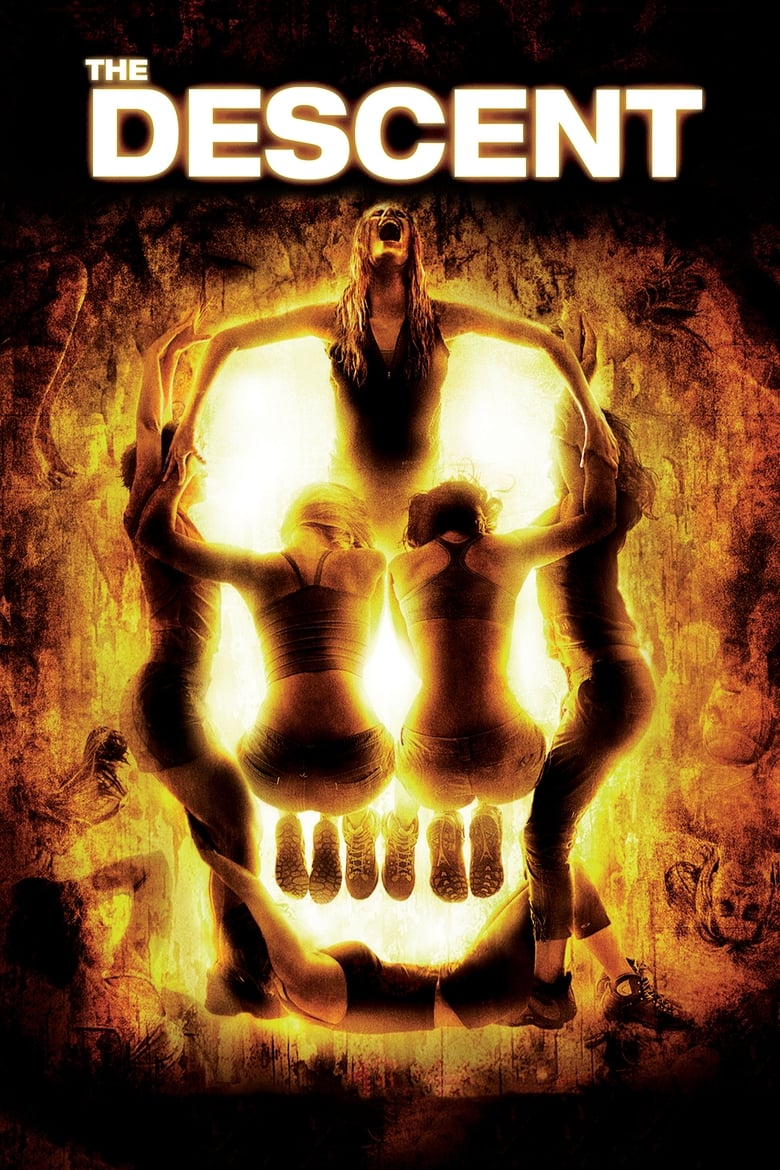
Being buried alive, getting lost underground, being swallowed by the dark with no way out: there are few fears more primal, more hardwired into us, than the ones that live beneath the surface. Neil Marshall gets that. The Descent understands, on a gut level, exactly what makes the idea of being trapped underground so suffocatingly terrifying, and for stretches of this film it exploits that fear with real skill. That it doesn't quite become the all-time horror classic it could have been is a genuine shame, because the bones of something exceptional are absolutely here.
The premise is undeniably solid. A group of women head off on a rugged caving expedition, the kind of adrenaline-chasing holiday that already sounds like a terrible idea before anything supernatural or monstrous gets involved. Once they're deep underground and the walls start closing in, both literally and figuratively, you feel it. The setting does half the work on its own. There's a particular kind of dread that comes from small spaces, low ceilings, and the absolute absence of natural light, and Marshall squeezes every drop of it.
The problem, and it is a real one, is the pacing in that first half. Marshall clearly wanted us invested in his ensemble before putting them through the wringer, and that's a fair instinct. You need to care about the people for the horror to land. But the opening act is noticeably drawn out, weighed down by exposition that overstays its welcome. We're given a fair amount of character groundwork across a fairly large group, which would be fine if the film then took its time with those characters. Instead, once the terror kicks in, they're dispatched in rapid succession. It creates a strange imbalance: you've spent all this time getting to know people, and then they're gone before it registers. A tighter script, either trimming the cast significantly or anchoring the whole thing more firmly to one or two central figures, would have made for a much leaner, harder-hitting film.
When the horror does arrive, though, it arrives with a vengeance. The frantic, close-quarters energy of the second half is genuinely effective, and the cinematography leans hard into that cramped, claustrophobic style that recalls the best of found-footage horror. I thought of The Blair Witch Project more than once, that same "what's lurking just beyond what you can see" suspense deployed to keep you constantly on edge. It works. The darkness here isn't just a backdrop, it's a weapon, and Marshall uses it brilliantly.
The practical effects are worth mentioning too, because they're genuinely nasty in the best possible way. There's a commitment to physical, tactile horror here that feels refreshingly grounded. No weightless digital gore, just properly grim, visceral stuff that satisfies on that base level genre fans are after. The creatures, when they fully emerge, are grotesque in a way that holds up, and the film earns its more brutal moments.
So where does that leave us? The Descent is a good horror film. A genuinely good one. The claustrophobic atmosphere is brilliantly sustained when it's firing, the suspense sequences are handled with real craft, and the gruesome payoffs deliver. But the bloated first act and the uneven handling of its ensemble stop it from hitting the heights of the very best British genre filmmaking. Think of An American Werewolf in London and how perfectly weighted that film is from the first frame. The Descent doesn't quite reach that level of precision.
Three stars. Absolutely worth your time, especially if you fancy a film that'll make you grateful for open spaces afterwards. Just be prepared to do a bit of patient waiting before it finds its footing.
Rating: ★★★ | Year: 2005 | Watched: 2026-08-05
Where to watch
Watch in the UK
Stream: Amazon Prime Video · BFI Player Apple TV Channel · Amazon Prime Video with Ads
Rent: Amazon Video · Google Play Movies · Sky Store · YouTube
Buy: Amazon Video · Google Play Movies · Sky Store · YouTube
Physical: Amazon UK · Zavvi
Watch in the US
Stream: BFI Player Amazon Channel · MovieSphere+ Amazon Channel
Rent: Amazon Video · Apple TV Store · Google Play Movies · YouTube
Buy: Amazon Video · Apple TV Store · Google Play Movies · YouTube
Physical: Amazon US
Affiliate disclosure: Movies With Macca may earn a small commission on purchases or subscriptions started via these links. It costs you nothing extra.