An American Werewolf in London (1981)

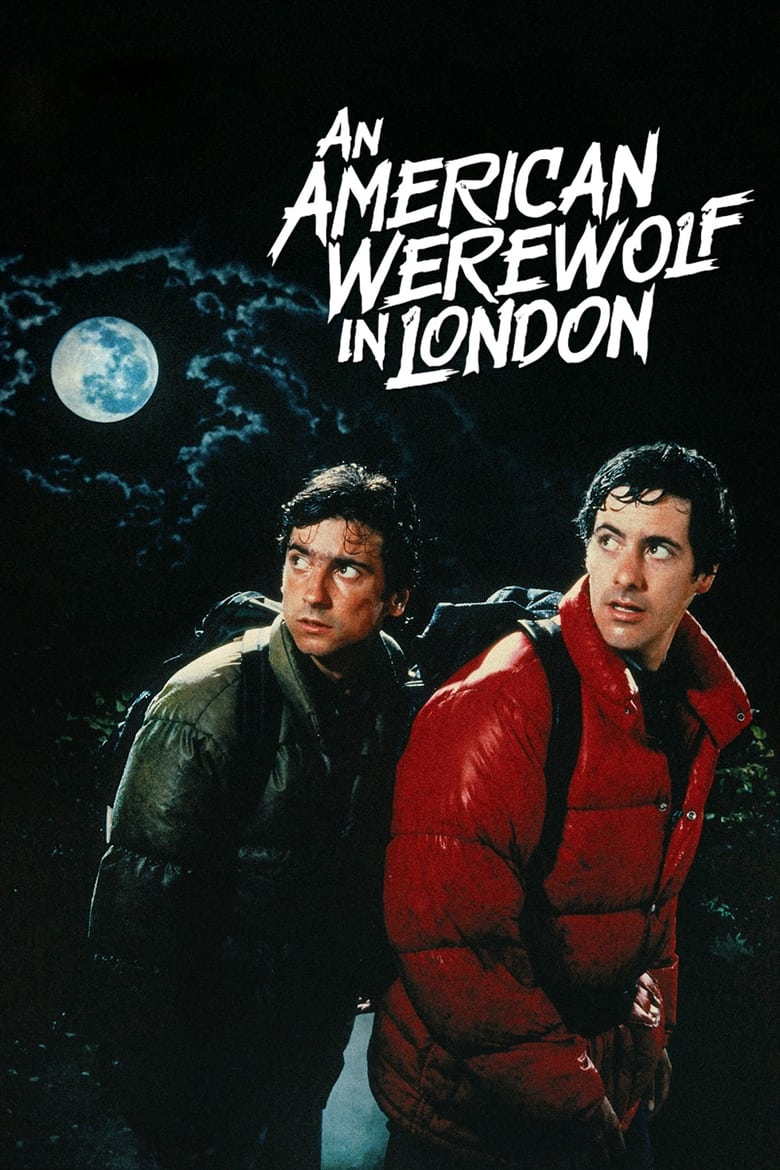
There's a particular kind of dread that comes with revisiting a film you loved as a teenager. You build it up over the years, smooth out its rough edges in memory, and then sit down to watch it again with the nagging suspicion that you're about to lose something you can't get back. I first caught John Landis's 1981 classic as a teenager, and my recollection of it had distilled into two vague, glowing impressions: it was brilliant, and the effects were brilliant. Rewatching it two decades later, I braced myself. To my immense relief, my memory served me perfectly.
An American Werewolf in London remains, quite possibly, the absolute pinnacle of the werewolf genre, holding up with a rare, enduring vitality that precious few horror films of any era can claim.
The opening act is a cracking piece of atmospheric filmmaking. Two naive American backpackers wander onto the misty, isolated moors of Yorkshire and are savagely attacked. The mood is pitch-perfect, blending genuine dread with a dry, darkly comic edge that Landis handles with effortless flair. That tonal balance is a genuinely difficult trick to pull off. Too far one way and you've got parody; too far the other and you've lost the wit that makes the whole thing so distinctive. Landis walks that line brilliantly, and the Yorkshire moors have rarely felt so hostile or so beautifully desolate.
Once our surviving protagonist wakes up in a London hospital, though, the film does settle into a rather prolonged middle gear. Because lycanthropy operates on a strict lunar schedule, we're forced to wait alongside him for the next full moon. This stretches into a fairly languid stretch of runtime, largely occupied by a burgeoning, somewhat stilted romance with a kindly nurse played by Jenny Agutter. I won't pretend this mid-film drag isn't real, because it is. The pacing loosens noticeably, and the romantic subplot never quite catches fire the way the horror elements do.
But Landis is too canny a filmmaker to leave you entirely stranded. He peppers this waiting period with macabre, decaying visions of the hero's deceased friend, offering both brilliant practical makeup and tantalising sneak peeks of the horror to come. These scenes carry a weird, mordant humour that keeps you invested even when the central love story isn't quite pulling its weight. It's a bit like Monkey Shines in that respect: a horror film where the surrounding domestic drama can't always match the intensity of the genre set pieces, but where those set pieces are extraordinary enough to justify your patience.
Because when the film finally ignites, it absolutely ignites. Once the moon rises and the curse takes hold, the picture unleashes unbridled chaos upon an unsuspecting London. The pacing snaps back into high gear, and you find yourself desperately craving more of this glorious, destructive mayhem. The legendary transformation sequence remains a staggering piece of body horror: a visceral, bone-crunching spectacle that still stands as the undisputed standard-bearer for practical effects work in the subgenre. Watching it now, knowing full well what it took to achieve this kind of work without digital assistance, you're left with a renewed appreciation for what the best craftspeople of that era could do with ingenuity and sheer bloody-mindedness. It hasn't dated. Not even a little.
The finale that follows is as terrifying as it is thrilling, a genuinely impressive piece of controlled chaos that marries top-tier practical wizardry with pulse-pounding momentum. Landis pulls everything together in the closing stretch, and the film ends with a bluntness that feels almost confrontationally honest. No tidy resolution. No comfort. Just consequences.
Four stars. A horror film that earns every bit of its reputation, sags slightly in the middle and doesn't care, because when it decides to go for the throat, nothing quite touches it.
Rating: ★★★★ | Year: 1981 | Watched: 2026-08-01
Where to watch
Watch in the UK
Stream: ITVX Premium · Lionsgate+ Amazon Channel
Rent: Apple TV Store · Amazon Video · Sky Store
Buy: Google Play Movies · YouTube
Physical: Amazon UK · Zavvi
Watch in the US
Stream: MovieSphere+ Amazon Channel
Rent: Amazon Video · Apple TV Store · Google Play Movies · YouTube
Buy: Amazon Video · Apple TV Store · YouTube · Fandango At Home
Physical: Amazon US
Affiliate disclosure: Movies With Macca may earn a small commission on purchases or subscriptions started via these links. It costs you nothing extra.