Spider-Man: Into the Spider-Verse (2018)

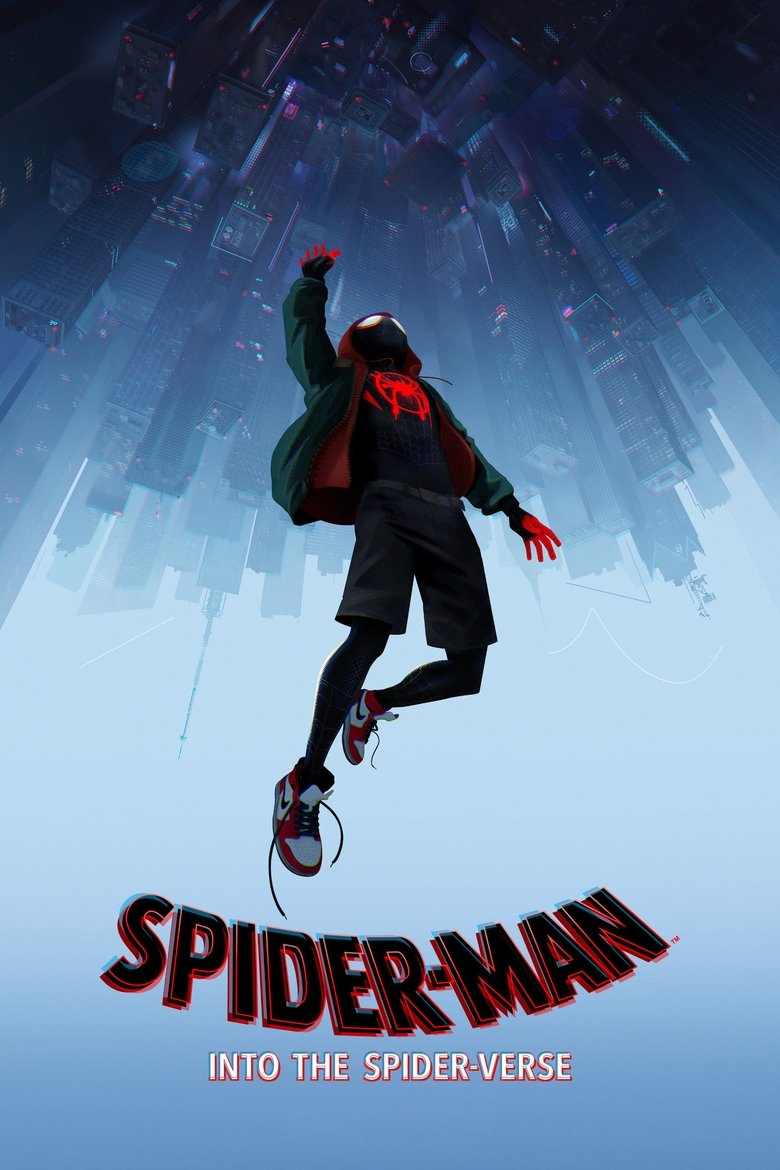
I am rarely one to sing the praises of the modern superhero industrial complex. You probably know this about me by now. Outside of the original X-Men trilogy and The Dark Knight, I've almost never handed out a score higher than average to a cape-and-cowl picture. They all seem to churn out that same hollow, lifeless, predictable narrative, masking it behind a maelstrom of weightless CGI and jokes that land with all the grace of a wet sock. So you can imagine my sheer, unadulterated shock when Spider-Man: Into the Spider-Verse landed on my desk and absolutely blew me away.
This is a cracking, vibrant anomaly in a genre that usually feels like it's running on autopilot, and I genuinely did not see it coming.
The great paradox at the heart of it is this: by all logical rights, an animated Marvel film should have been the most visually over-saturated, lifeless entry in the entire lineup. Instead, it is the exact opposite. The art style and animation are, quite literally, some of the best I have ever seen on a cinema screen. It feels tactile. It bursts with a comic-book energy that is so physical, so textured, that you forget you're watching a digital creation at all. Every frame looks like it's been ripped straight from a printed page and given a heartbeat. I've seen plenty of ambitious animation over the years, and I'll put this right up there alongside Akira as a genuine landmark in what the medium can achieve when the people behind it actually care.
Fair play to the voice cast as well. Shameik Moore, Jake Johnson, and Nicolas Cage deliver performances that are warm, funny, and grounded in a way that makes the multiverse madness feel genuinely human rather than just an excuse to wheel out corporate IP. These feel like real people. Moore in particular carries the film with a charm and vulnerability that a lot of live-action superhero leads frankly couldn't match.
What really sets this apart from the pack, though, is its sheer unpredictability and the genuine emotional weight it carries. It's funny in exactly the right places, properly funny, not just quippy filler to pad out the runtime. And then it shifts gears and becomes exciting and tense in a way that made me sit forward in my seat. There are moments here that genuinely got me. I wasn't expecting that. I'm still not entirely over it.
I can't help but wonder if a large part of this leap in quality comes down to the fact that it isn't a Disney production. The Sony banner seems to have given directors Bob Persichetti, Peter Ramsey, and Rodney Rothman the freedom to take real risks, to make something emotive and strange and entirely its own beast. It sidesteps the usual studio-mandated beats that make these films feel so terribly samey. There's no sense of a committee having smoothed all the edges off.
For all my usual cynicism about this genre, this isn't just the best Marvel superhero film I've ever seen. It genuinely rivals The Dark Knight in my personal rankings. That is not a sentence I ever expected to type. Persichetti, Ramsey, and Rothman have put together something that completely redefines what a comic-book adaptation can be, and it sets an impossibly high bar for any future animated feature. I'm now genuinely excited for Beyond the Spider-Verse to find out whether they can pull off the same magic again.
Four and a half stars. An absolute triumph, and I'll fight anyone who says otherwise.
Rating: ★★★★½ | Year: 2018 | Watched: 2026-07-27
Where to watch
Watch in the UK
Stream: Amazon Prime Video · Sky Go · Now TV Cinema · Amazon Prime Video with Ads
Rent: Apple TV Store · Rakuten TV · Amazon Video · Google Play Movies
Buy: Apple TV Store · Rakuten TV · Amazon Video · Google Play Movies
Physical: Amazon UK · Zavvi
Watch in the US
Stream: Netflix · Netflix Standard with Ads
Rent: Amazon Video · Apple TV Store · Google Play Movies · YouTube
Buy: Amazon Video · Apple TV Store · Google Play Movies · YouTube
Physical: Amazon US
Affiliate disclosure: Movies With Macca may earn a small commission on purchases or subscriptions started via these links. It costs you nothing extra.