Akira (1988)

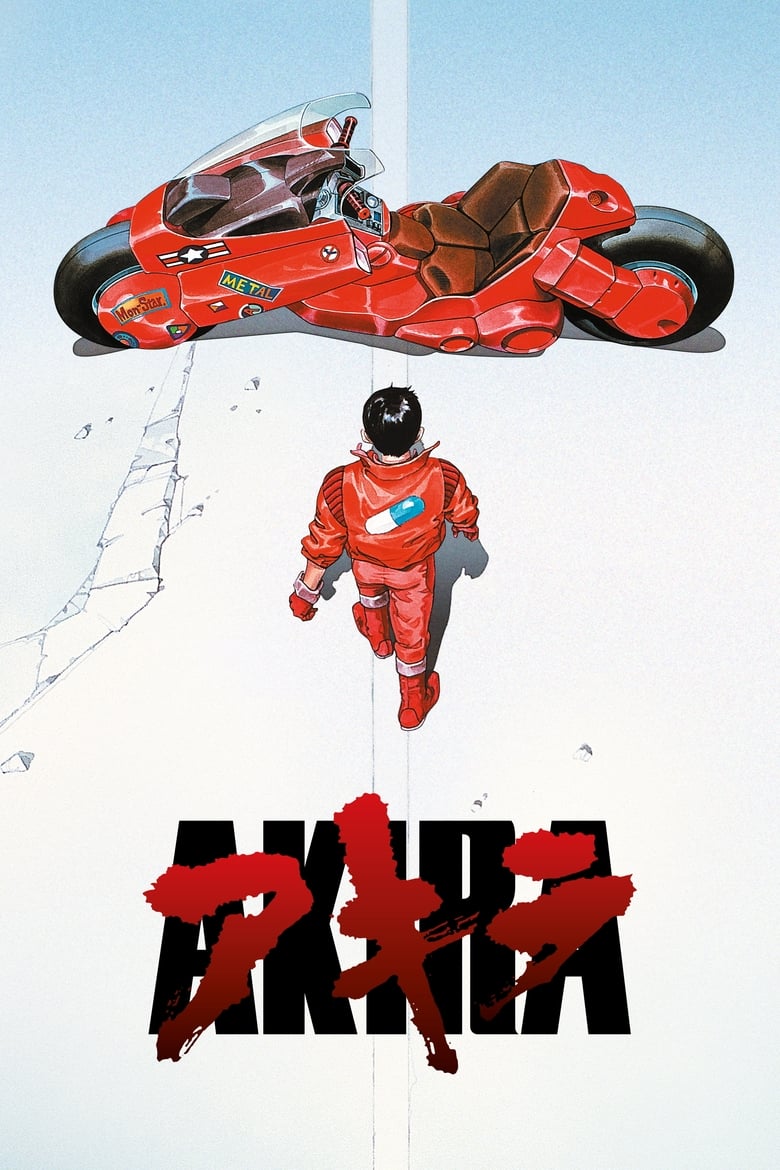
I genuinely paused the screen multiple times just to stare at a single frame. Not to grab a snack, not because something was confusing, but because Katsuhiro Otomo's Neo-Tokyo is so meticulously, breathtakingly rendered that to simply let it play felt almost disrespectful. That's the effect Akira has on you. It doesn't ask for your attention; it seizes it.
It's a rare thing for a film to demand you stop the clock just to absorb what you're looking at, but this one does it constantly. And I don't think it's hyperbole to say this is arguably the greatest piece of adult animation ever put to celluloid. In an era where we're drowning in weightless, plastic-looking computer imagery, watching Otomo's team craft a world with this level of meticulous, hand-drawn detail feels like witnessing an absolute miracle.
Every single scene defies belief when you sit back and think about the sheer human labour behind it. The fluidity of the motorcycle chases, the grotesque, melting body horror of the psychic mutations, the way rain slicks off leather jackets in the dead of night. All of it is rendered with a staggering, tactile reality that makes modern multi-million-dollar animated features look like they were rushed out the door by a skeleton crew. Fair play to the animators, because they weren't just moving cels around. They were painting a living, breathing, hyper-kinetic metropolis, one frame at a time. If you want to appreciate just how deep that tradition of bold, visionary Japanese animation runs, I'd also point you toward Neo Tokyo, the anthology that came out a year before this and shares some of that same anarchic, experimental spirit.
Narratively, the picture holds up just as well. It tracks a secret government project that creates powerful psychics before the whole thing predictably, and spectacularly, goes awry. If you've ever picked up a controller, you'll clock the DNA almost immediately. I can pretty much guarantee this film laid the exact blueprint for the story and setting of Final Fantasy VII. The eco-terrorism, the corrupt military apparatus, the brooding protagonists with power they can barely control. The similarities aren't a coincidence; they're a lineage. What's remarkable is that none of this feels derivative when you're watching the source material, because Otomo gets there first and gets there with such ferocious conviction.
Anchoring all the chaos is the original Japanese voice cast, with Nozomu Sasaki and Mitsuo Iwata delivering genuinely fantastic performances that bring a raw, emotional weight to the characters. The English dub has always been a clunky, stilted affair by comparison. If you've only ever seen this in English, do yourself a favour and watch it as it was intended. It's a completely different experience, and a far better one.
There's also something worth saying about how relevant this all still feels. Neo-Tokyo is a city rotting from the inside, run by institutions that have long since stopped caring about the people they're supposed to serve. The military experiments in secret, the youth are left feral and furious on the streets, and when it all finally unravels, the destruction is almost cosmically inevitable. Nearly four decades on, that's not exactly a difficult metaphor to locate in the real world.
Four and a half stars. Akira is a towering, monumental achievement that completely redefined what animation could do on the global stage. Otomo didn't just make a cartoon. He crafted a sprawling, visually breathtaking dystopian tragedy that still feels astonishingly modern. It demands to be seen on the biggest screen you can find. And then, when something extraordinary passes across that screen, don't be ashamed to hit pause and just look at it for a while. I did, more than once, and I'd do it again.
Rating: ★★★★½ | Year: 1988 | Watched: 2026-07-22
Where to watch
Watch in the UK
Stream: Netflix · Disney Plus · Netflix Standard with Ads
Rent: Apple TV Store · Amazon Video · Sky Store
Buy: Apple TV Store · Amazon Video · Sky Store
Physical: Amazon UK · Zavvi
Watch in the US
Stream: Crunchyroll · Crunchyroll Amazon Channel
Rent: Amazon Video · Apple TV Store · Fandango At Home
Buy: Amazon Video · Apple TV Store · Fandango At Home
Physical: Amazon US
Affiliate disclosure: Movies With Macca may earn a small commission on purchases or subscriptions started via these links. It costs you nothing extra.