Rudeboy: The Story of Trojan Records (2018)

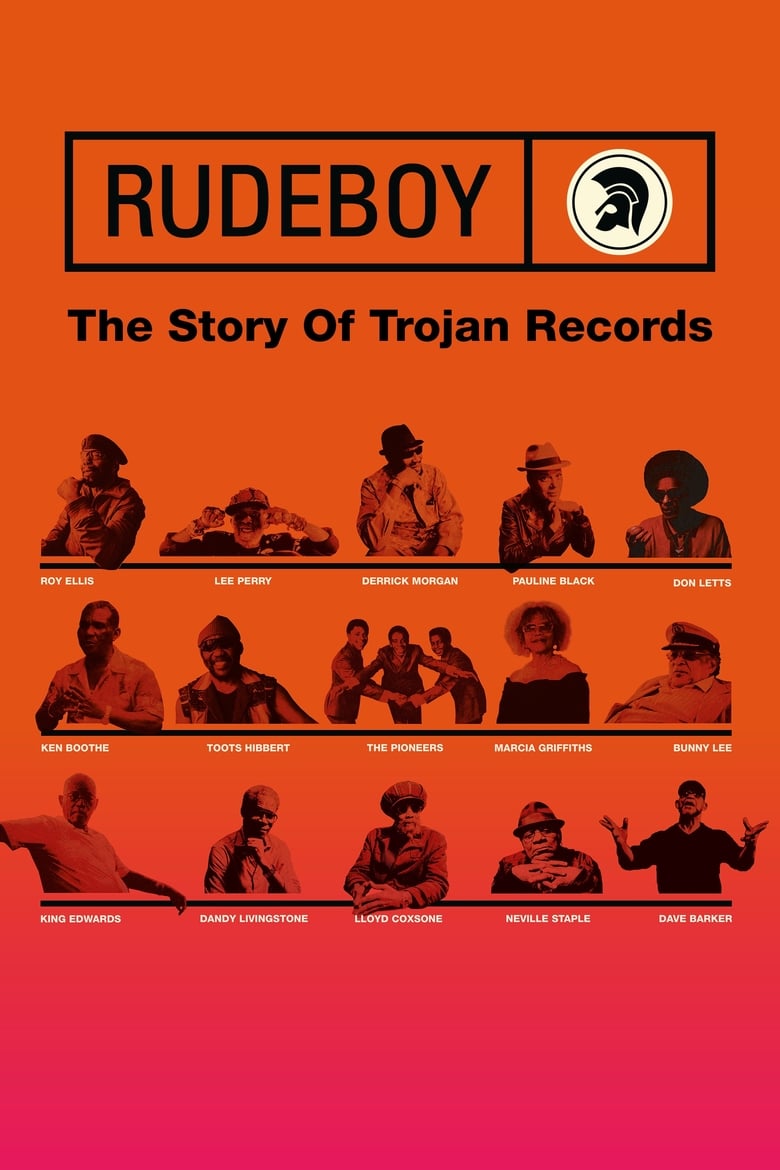
There's a very specific, undeniable magic to the moment the needle drops on a classic Trojan Records compilation. That warm crackle, the skank of the rhythm guitar, the brass punching through. Nicolas Jack Davies's 2018 documentary Rudeboy: The Story of Trojan Records captures that exact frequency, and I'll hold my hands up straight away: I'm a massive fan of reggae and early ska, so this picture was practically tailor-made for me. The trick is trying to look at it through a slightly more objective lens, and when I do, what I see is a film that is unapologetically, almost exclusively, for the converted.
That's not necessarily a criticism. Some of the best music documentaries are the ones that treat their subject with total, unguarded devotion, the ones made by people who clearly love every last B-side and believe you should too. Davies is absolutely one of those people, and his reverence for the label shows in every frame. The film traces Trojan's journey from Jamaican pressing plants to the front rooms of working-class Britain with genuine historical care, and the research underpinning it all is thorough and convincing.
Where the film really earns its keep is in the interviewees. Fair play to Davies for securing an absolute cracking lineup. Hearing the late, great Lee "Scratch" Perry recount the glory days of the sound system era is a privilege, full stop. Toots Hibbert is every bit as magnetic here as he ever was behind a microphone. These are the voices that shaped a scene, and getting them on camera, relaxed and reflective, is no small achievement. If you want to understand the specific cultural collision between Jamaican immigrants and British youth in the sixties and seventies, the human testimony here does more work than any textbook could.
I keep coming back to that collision, because it's the genuinely thrilling thread running through the whole story. The idea that a record label born out of practicality and hustle could end up soundtracking the lives of skinheads and mods in Brixton and Birmingham is one of the stranger, more beautiful accidents of British cultural history. Rudeboy knows this, and it gives the story the space it deserves. If you've already got a soft spot for that era, as I do, it's an absolute treat. I've had a similar feeling watching Rockers (1978), that sense of being immersed in a world with its own rhythms, rules and warmth.
But here's where I have to be honest about the film's limitations. If you don't already have at least a passing interest in the minutiae of sixties and seventies music business logistics, or the cultural specifics that made Trojan what it was, the pacing can feel like a very long, very pleasant liner note. There's no explosive narrative hook pulling in the uninitiated. No real villain, no crisis point that reframes everything you've watched before it. The film stays firmly inside its comfort zone throughout, which is both its greatest strength and its most obvious weakness.
A more adventurous documentary might have pressed harder on the commercial tensions, or explored the murkier corners of how a predominantly Black Jamaican art form was packaged and sold to white British kids, and what that meant for the artists involved. Rudeboy gestures at these questions but never quite commits to answering them. It's a loving tribute, and sometimes loving tributes leave the difficult stuff at the door.
For context, if you want the rawer, more visceral side of this world, I'd point you towards The Harder They Come (1972), which captures the hunger and the danger of that Jamaican music scene with a force this documentary never quite reaches for.
Three stars.
Rudeboy is a highly enjoyable, deeply affectionate piece of music history that does exactly what it sets out to do. Davies has put together a well-researched, beautifully presented record of a label that genuinely changed the cultural landscape of this country. It just plays things a little too safe to leave you breathless. If you're already part of the club, it's an evening well spent. If you're just passing by, you might find the doors locked.
Rating: ★★★ | Year: 2018 | Watched: 2026-07-13
Where to watch
Watch in the UK
Rent: Google Play Movies · YouTube
Buy: Google Play Movies · YouTube
Physical: Amazon UK · Zavvi
Watch in the US
Rent: Amazon Video · Apple TV Store · Google Play Movies · YouTube
Buy: Amazon Video · Apple TV Store · Google Play Movies · YouTube
Physical: Amazon US
Affiliate disclosure: Movies With Macca may earn a small commission on purchases or subscriptions started via these links. It costs you nothing extra.