Osama (2003)

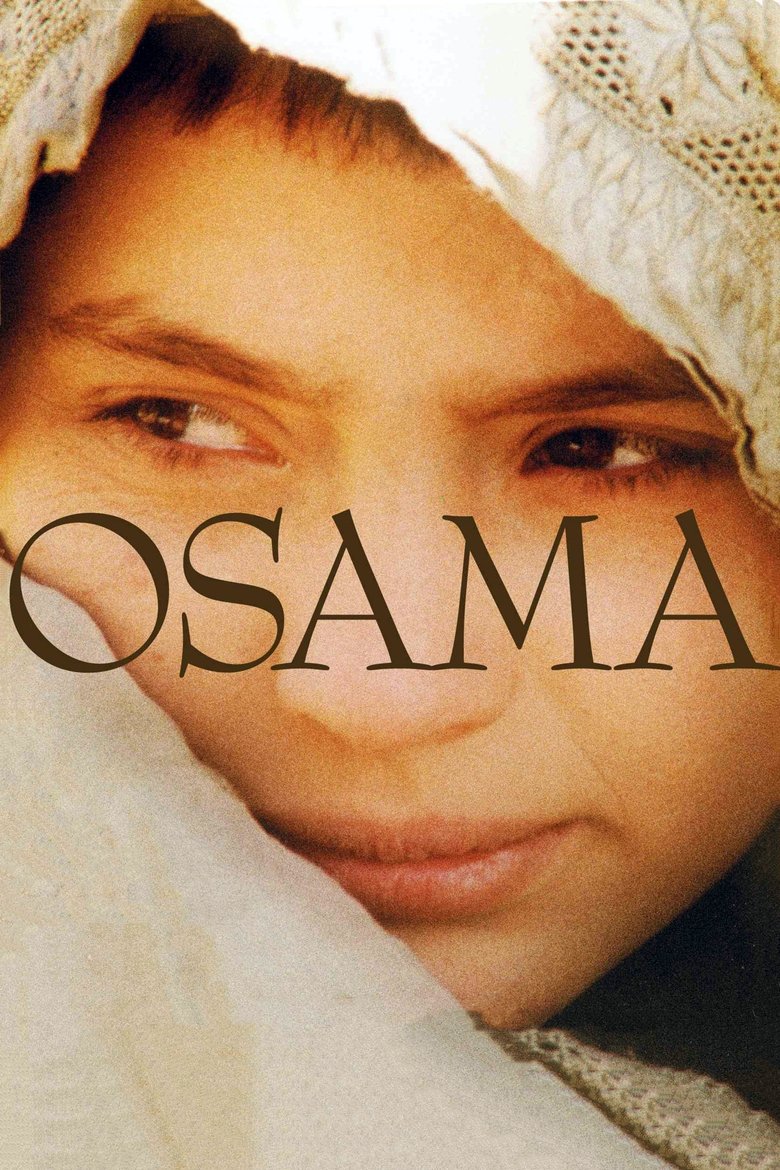
We are absolutely saturated with cinema set in Afghanistan. From the Soviet invasion to the endless, grinding War on Terror, the country has frequently served as a backdrop for foreign filmmakers looking to capture geopolitical conflict. There is something almost reflexive about it now, the way Western productions reach for that landscape whenever they want to signal seriousness or moral weight. It can feel exploitative, or at best, distant.
But Siddiq Barmak's 2003 picture cuts through that noise with a quiet, devastating intimacy. Osama strips away the grand military manoeuvring to focus on a singular, terrifying reality: a preteen girl forced to masquerade as a boy just to secure work and keep her mother and grandmother from starving under the suffocating, misogynistic rules of the Taliban regime. No soldiers. No geopolitics. Just a child, and an impossible situation, and a world that has actively legislated her existence out of the picture.
The emotional weight of this premise rests entirely on the shoulders of its young cast, and I found their performances remarkably grounded. Marina Golbahari, in the titular role, carries the film with a quiet, wide-eyed desperation that is utterly heartbreaking to witness. She is not performing fear so much as inhabiting it, and the effect is extraordinary for a performer so young. The dialogue is sparse but incredibly effective, particularly in the scenes shared with her grandmother. Those moments crackle with a raw, lived-in sorrow that no amount of polished screenwriting could manufacture. It feels true in the way only the best of this kind of filmmaking does.
Make no mistake, this is a profoundly harrowing watch. The tension of the masquerade is palpable, with every glance and every misstep threatening to unravel their fragile safety. I found myself holding my breath through stretches of it. And when the inevitable discovery comes, the film refuses to offer any Hollywood-style reprieve or heroic defiance. It simply leans into a stark, unvarnished reality, and the conclusion is bleaker than almost anything I can think of in recent memory. That bleakness is entirely appropriate for the subject matter, even if it leaves you feeling thoroughly drained by the time the credits roll. This is the kind of film that sits with you on the bus home, uninvited.
It reminded me quite a bit of my experience watching Turtles Can Fly, another film from this era that refused to dress up the suffering of children caught in the machinery of conflict in the region. Both pictures share that same unflinching commitment to the human cost, told through eyes too young to have earned such sorrow. If you responded to one, the other is essential viewing.
Osama is not a film you watch for light entertainment, and it would be a strange person who sought it out for a relaxing Friday night. It is a vital, deeply affecting piece of historical witness, made by a filmmaker who clearly understood that the story he was telling deserved honesty above all else. Barmak crafted something profoundly sad and undeniably important, a portrait of survival against impossible odds that never once softens its edges to make you feel better about what you are watching.
It might not offer a comforting resolution. It might not leave you with anything to hold onto except a heavy, lingering sense of injustice. But its raw honesty and emotional truth make it a compelling and unforgettable piece of work, one that I think more people should seek out. Three and a half stars.
Rating: ★★★½ | Year: 2003 | Watched: 2026-08-06
Where to watch
Watch in the US
Stream: Amazon Prime Video · fuboTV · MGM+ Amazon Channel · Philo
Rent: Amazon Video · Fandango At Home
Buy: Amazon Video · Fandango At Home
Physical: Amazon US
Affiliate disclosure: Movies With Macca may earn a small commission on purchases or subscriptions started via these links. It costs you nothing extra.