One People (1976)

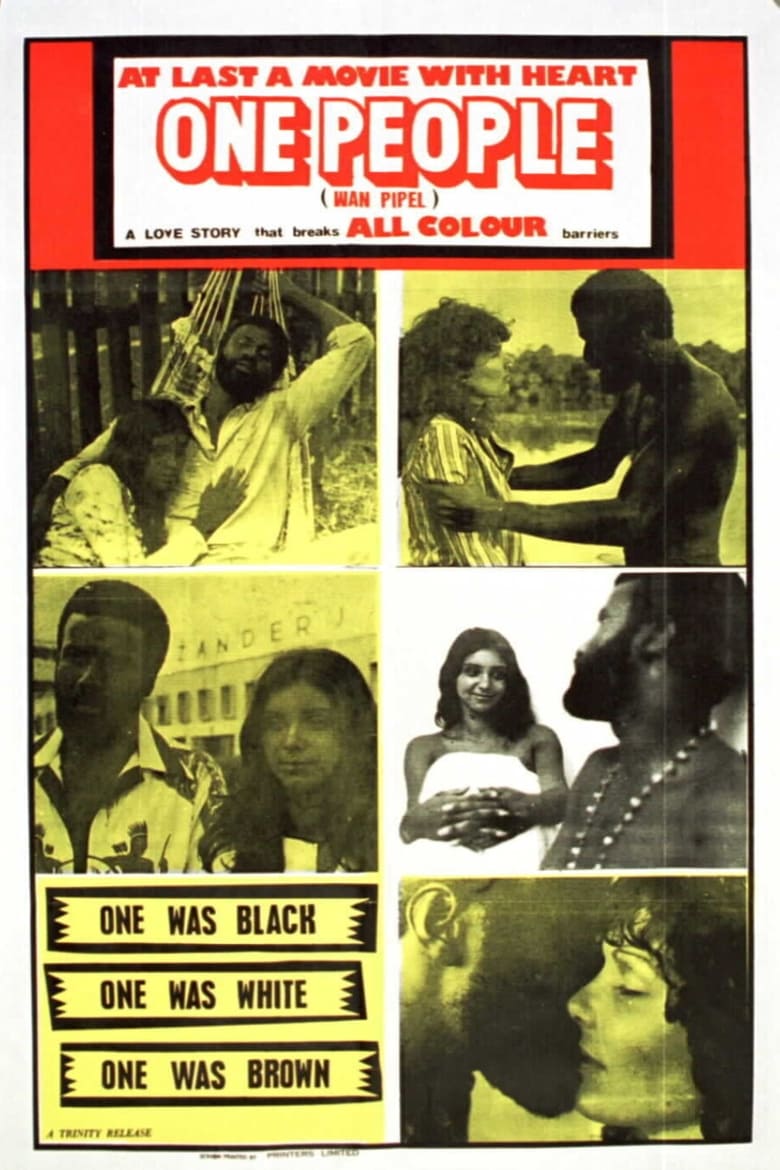
There's a distinct, sun-drenched charm to the 16mm aesthetic of 1970s cinema, and Pim de la Parra's 1976 drama One People captures that era's visual texture about as well as anything I've seen from the period. I have a real soft spot for that grainy, warm film stock, the colours slightly bloomed and faded at the edges, the world looking simultaneously vivid and dreamlike. Watching this picture is like stepping into a time capsule of Suriname on the very cusp of its independence from the Netherlands, and for that alone it's worth your time. But I'd be lying if I said it doesn't also test your patience in fairly significant ways.
The premise is immediately compelling. Roy is a man who has built a comfortable life in Holland, and he returns to his homeland to visit his dying mother, bringing along his Dutch girlfriend and, without quite realising it, a suitcase full of unexamined colonial baggage. The setup hums with dramatic potential. A man suspended between two cultures, two versions of himself, two ideas of home. There's a brilliant family drama buried somewhere in that premise, and you can feel it straining to get out.
The trouble is the film quickly stumbles over its own narrative ambitions. Once Roy settles back into the rhythms of Suriname, he crosses paths with a local Hindustani woman and begins an affair, betraying the partner he brought with him. Now, morally compromised protagonists can be fascinating. Films have been built entirely on characters doing rotten things and still managed to hold our sympathy. But here, the political messaging is so overt and heavy-handed that it actively warps Roy as a person. Rather than a man genuinely torn between two worlds, he comes across as an unlikeable swine whose choices feel less like authentic human weakness and more like an ideological diagram wearing a man's face. It makes it incredibly difficult to invest in his journey, or to feel any real weight in the dilemmas the film is supposedly putting to him.
It's a shame, because the thematic territory de la Parra is working in reminded me strongly of what I love about Sranan Folktales: Arki Den Bigi Sma, that rich sense of Surinamese cultural identity rendered with genuine feeling and specificity. The foundational questions One People wants to ask, about post-colonial identity, about where belonging actually lives, about what you carry back with you from a life built elsewhere, are the right questions. They're important ones. But where the best films on this kind of subject ground their politics in deeply empathetic character work, One People allows its ideological agenda to completely overshadow the human element. You end up frustrated with Roy not in the productive way that good drama can frustrate you, but in a way that makes you want to stop caring altogether.
De la Parra deserves real credit for documenting such a pivotal moment in his country's history with such authentic, evocative imagery. The Surinamese locations feel genuinely lived-in rather than dressed for a camera, and there's an energy to the photography that keeps you watching even when the script is letting you down. The 16mm texture I mentioned at the top isn't just aesthetic nostalgia either. It suits the material, giving everything a rawness that a glossier production would have smoothed away.
Three stars. One People is a visually striking, historically fascinating piece of Surinamese cinema that's held back by a protagonist you can barely bring yourself to root for. It's worth a watch if you're interested in this corner of world film history, or in how cinema grappled with post-colonial identity in the 1970s. Just go in knowing that the politics and the storytelling don't always pull in the same direction, and that Roy will likely have you grinding your teeth before the credits roll. The bones of something genuinely special are here. They just never quite got the flesh they deserved.
Rating: ★★★ | Year: 1976 | Watched: 2026-07-15
Where to watch
Watch in the US
Stream: Amazon Prime Video · Fandor Amazon Channel · Amazon Prime Video with Ads
Rent: Amazon Video
Buy: Amazon Video
Physical: Amazon US
Affiliate disclosure: Movies With Macca may earn a small commission on purchases or subscriptions started via these links. It costs you nothing extra.