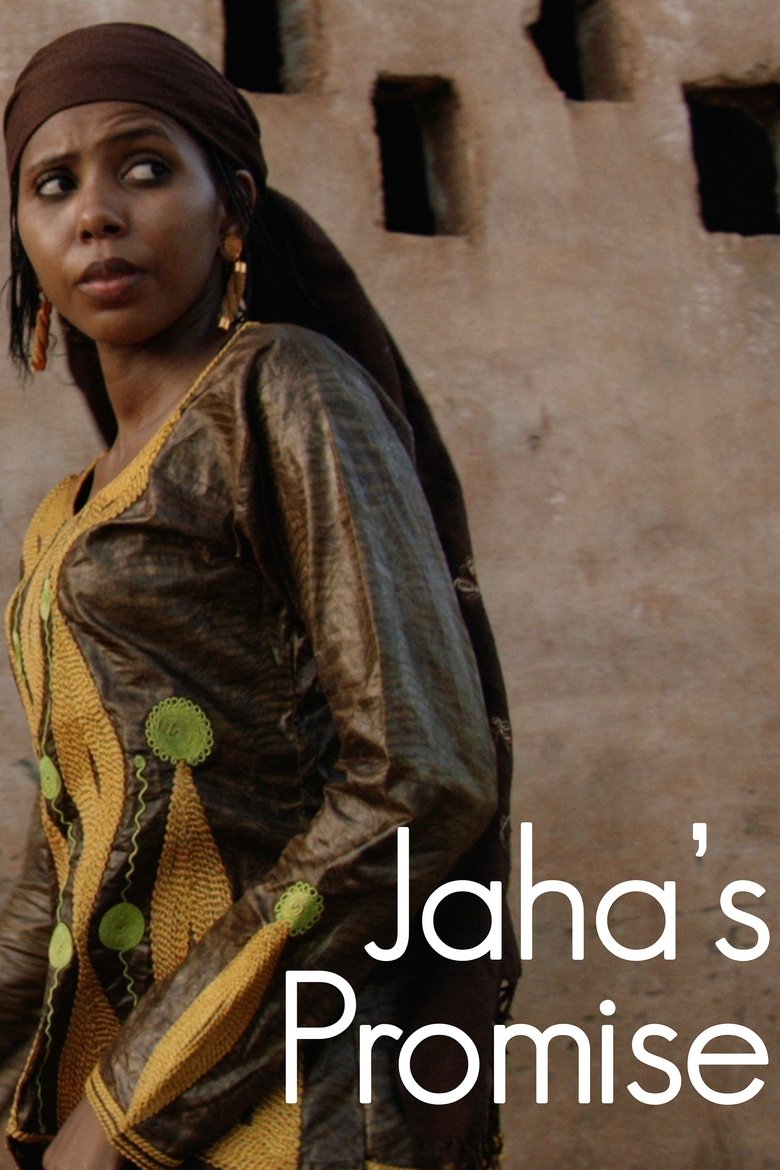
Jaha's Promise (2017)

Some documentaries inform you. The best ones change you. Jaha's Promise belongs firmly in that second category. I came away from it heartbroken, furious, and genuinely inspired, sometimes all three at once, and that emotional complexity is exactly what separates a truly vital piece of documentary filmmaking from something that merely ticks boxes.
At the centre of the film is Jaha Dukureh, a survivor of female genital mutilation from the Gambia, who has transformed her own trauma into relentless, fearless activism. What directors Kate O'Callaghan and Patrick Farrelly understand, and what makes this film so effective, is that statistics about FGM, however horrifying, can slip past us. But Jaha's face, her voice, her quiet determination? That you carry with you. The film doesn't just tell you this is a global crisis. It makes you feel it in your bones.
From a craft perspective, this is exceptionally well made. The balance O'Callaghan and Farrelly strike is a genuinely difficult one. FGM is a subject that could easily tip into exploitation or, on the other end of the scale, into such careful, sanitised treatment that the real horror gets lost. They avoid both traps. The documentary is frank about the brutality of the practice without ever feeling gratuitous, and it's deeply informative without ever becoming a dry lecture. I learned a great deal here, not just the cold facts, but the cultural complexities, the generational pressures, the way fear and tradition and community loyalty can make something unconscionable feel, to those inside it, like an act of love. Understanding that doesn't mean excusing it. But the film is smart enough to know you can't dismantle something you don't understand.
What I also appreciated is how seriously the film takes the grassroots work involved in driving real change. Jaha's activism is shown in all its painstaking, unglamorous reality. There are breakthroughs, and the documentary does chart a genuinely positive arc, with tangible, meaningful outcomes to celebrate. But O'Callaghan and Farrelly are honest enough not to wrap it all in a neat bow. The mountain of work still ahead is kept firmly in view. Progress is real. The crisis is far from over.
This reminded me strongly of other documentaries I've found myself recommending to anyone who'll listen, films that put a human face to a systemic injustice and trust that face to carry the argument. I was similarly moved by The Migrant Survivor (2023), which has that same quality of bearing witness to something difficult without flinching and without sensationalising. It's a rare skill, and when filmmakers get it right, the results matter.
What Jaha's Promise does best, perhaps, is open a door. These are conversations that too often happen in silence, in communities where silence is enforced by shame and fear and tradition. A film like this can't replace those conversations, but it can start them. It can give people a way in. That's not a small thing. That's, in fact, the whole point.
Four stars. Highly recommended, and not just to those who already care about women's rights and bodily autonomy, though they'll find plenty here to strengthen that commitment. Recommended especially to anyone who thinks documentary film can't genuinely move the needle on the things that matter. This one can. This one does.
Rating: ★★★★ | Year: 2017 | Watched: 2026-06-16
Where to watch
Watch in the UK
Stream: Amazon Prime Video · Amazon Prime Video with Ads
Rent: Apple TV Store · Amazon Video · Google Play Movies · YouTube
Buy: Apple TV Store · Amazon Video · Google Play Movies · YouTube
Physical: Amazon UK · Zavvi
Watch in the US
Stream: Amazon Prime Video · OVID · Amazon Prime Video with Ads · DocuramaFilms Amazon Channel
Rent: Amazon Video · Apple TV Store · Google Play Movies · YouTube
Buy: Amazon Video · Apple TV Store · Google Play Movies · YouTube
Physical: Amazon US
Affiliate disclosure: Movies With Macca may earn a small commission on purchases or subscriptions started via these links. It costs you nothing extra.