It's a Wonderful Life (1946)

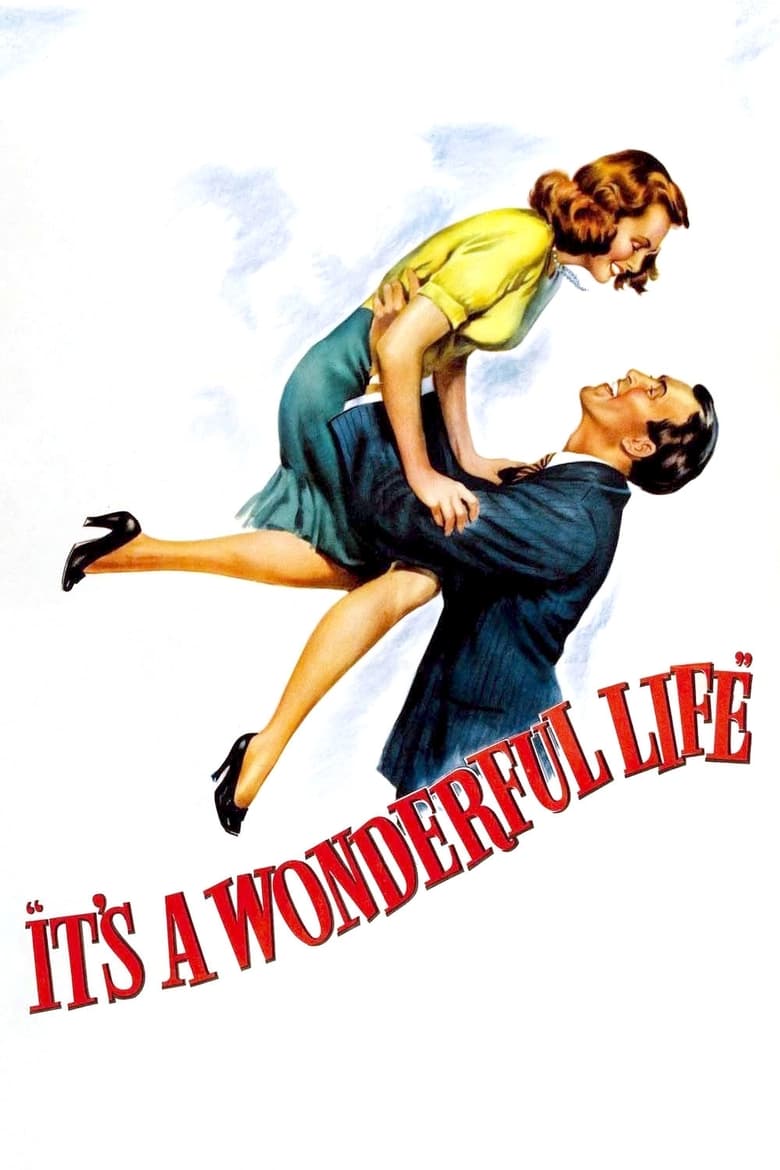
Let's get one thing straight: It's a Wonderful Life is not the cosy, feel-good Christmas card its reputation suggests. I went in half-expecting warm cocoa and sleigh bells, and what I got was something far more unsettling, and far more impressive, than that.
The film follows George Bailey, a man whose entire adult life is a catalogue of crushed ambitions and quiet sacrifice. He wants to travel, to build things, to escape the small town that keeps pulling him back. He stays, and stays, and stays, until the weight of it all becomes genuinely unbearable to watch. By the time he reaches his breaking point, standing on a bridge in the freezing dark, this isn't a Christmas picture anymore. It's a portrait of a man at psychological rock bottom, and Frank Capra holds the camera steady and doesn't flinch. That took some nerve in 1946, and it still lands with force today.
The entire film rests on James Stewart's shoulders, and he carries it without breaking a sweat. What makes his performance so remarkable is how completely he inhabits both ends of George's emotional spectrum. The early sections, full of youthful swagger and small-town charm, are genuinely joyful to watch. Then, as the despair closes in, Stewart doesn't play it big or theatrical. He plays it real. The cracks appear slowly. By the time he's crumbling, you feel it in your chest. It's one of the great screen performances, full stop.
The script is exceptionally well-crafted too. The pacing is tight throughout, and the heavier stretches never drag because the emotional stakes are always clear and always mounting. The score swells at precisely the right moments, underscoring what's happening without tipping into cheap manipulation. And the alternate-reality sequence, the bleak, shadowlit vision of a Bedford Falls without George, is genuinely chilling. It's not just a plot device. It forces you to sit with a genuinely unsettling question: how many lives hinge on one ordinary person simply being there?
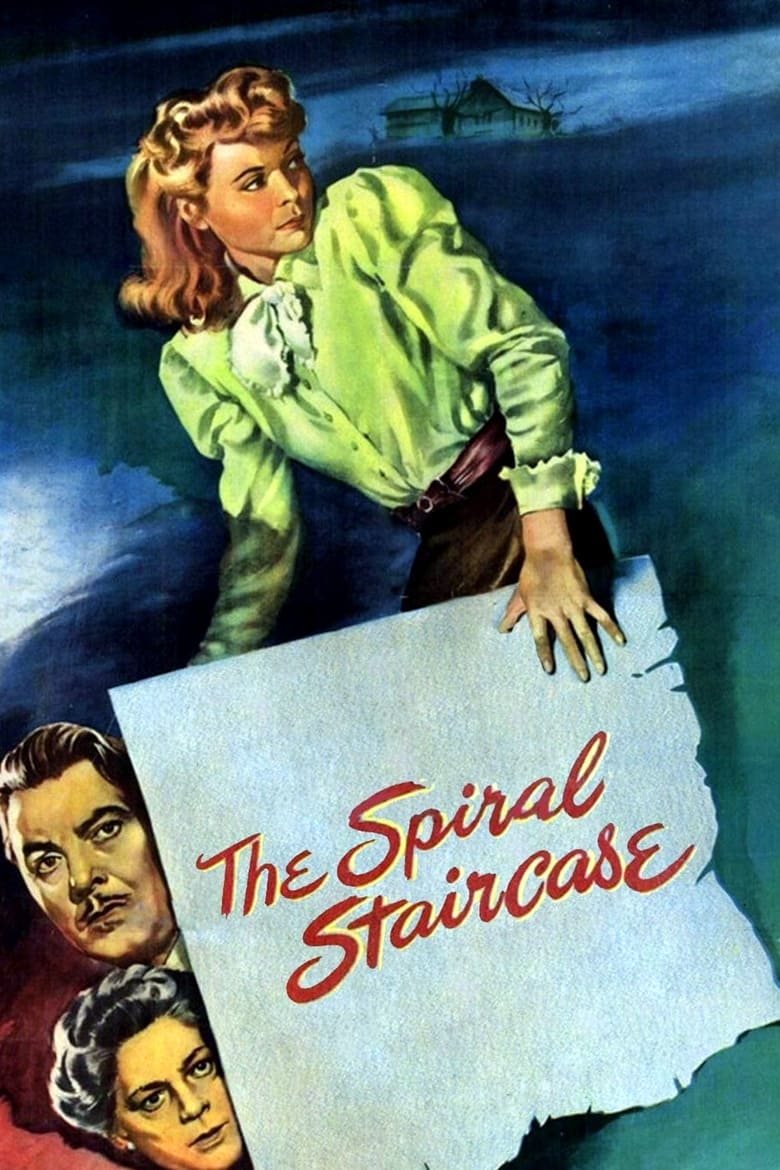
There's something in that question that puts me in mind of The Magnificent Ambersons, another film from roughly the same era that refuses to let its central character off the hook easily, and demands the audience reckon with disappointment and loss alongside the drama. Both films are richer and darker than their surface suggests.
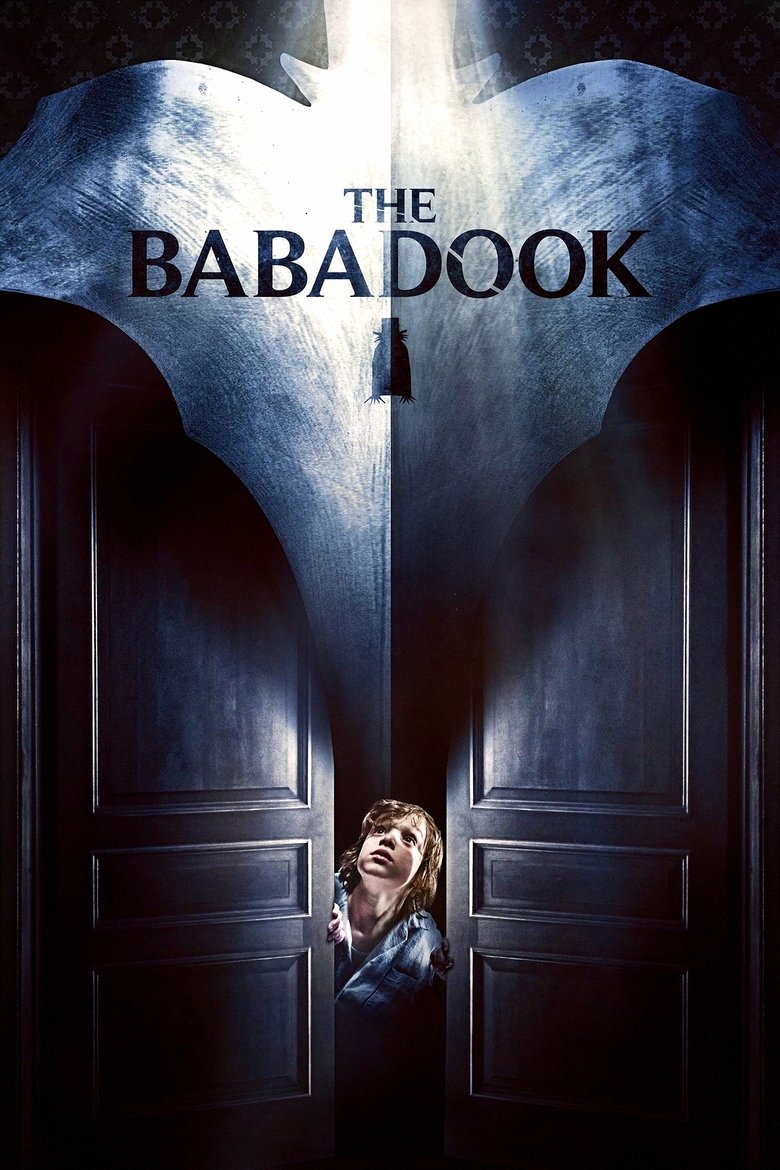
And while Stewart's name is most often associated with Hitchcock when people talk about his finest work, and rightly so given what he does in Vertigo, I'd argue what he does here is just as complex and just as essential. George Bailey isn't a character you admire from a distance. You live inside his frustration, his grief, his desperate need to matter.
That's the thing about It's a Wonderful Life that its festive reputation consistently undersells. It earns its cathartic ending the hard way. The hope at the finale doesn't feel tidy or unearned, it feels like coming up for air after being held underwater. And that's because Capra spent the best part of two hours making sure you understood just how far under George had gone.
Four stars. Watch it any time of year. Watch it when you're ready to take it seriously.
Rating: ★★★★ | Year: 1946 | Watched: 2026-08-07
Where to watch
Watch in the UK
Rent: JustWatch TV · Apple TV Store · Rakuten TV · Amazon Video
Buy: Apple TV Store · Rakuten TV · Amazon Video · Google Play Movies
Physical: Amazon UK · Zavvi
Watch in the US
Stream: Amazon Prime Video · Amazon Prime Video with Ads
Rent: JustWatch TV · Amazon Video · Apple TV Store · Google Play Movies
Buy: Amazon Video · Apple TV Store · Google Play Movies · YouTube
Physical: Amazon US
Affiliate disclosure: Movies With Macca may earn a small commission on purchases or subscriptions started via these links. It costs you nothing extra.