I Spit on Your Grave (1978)

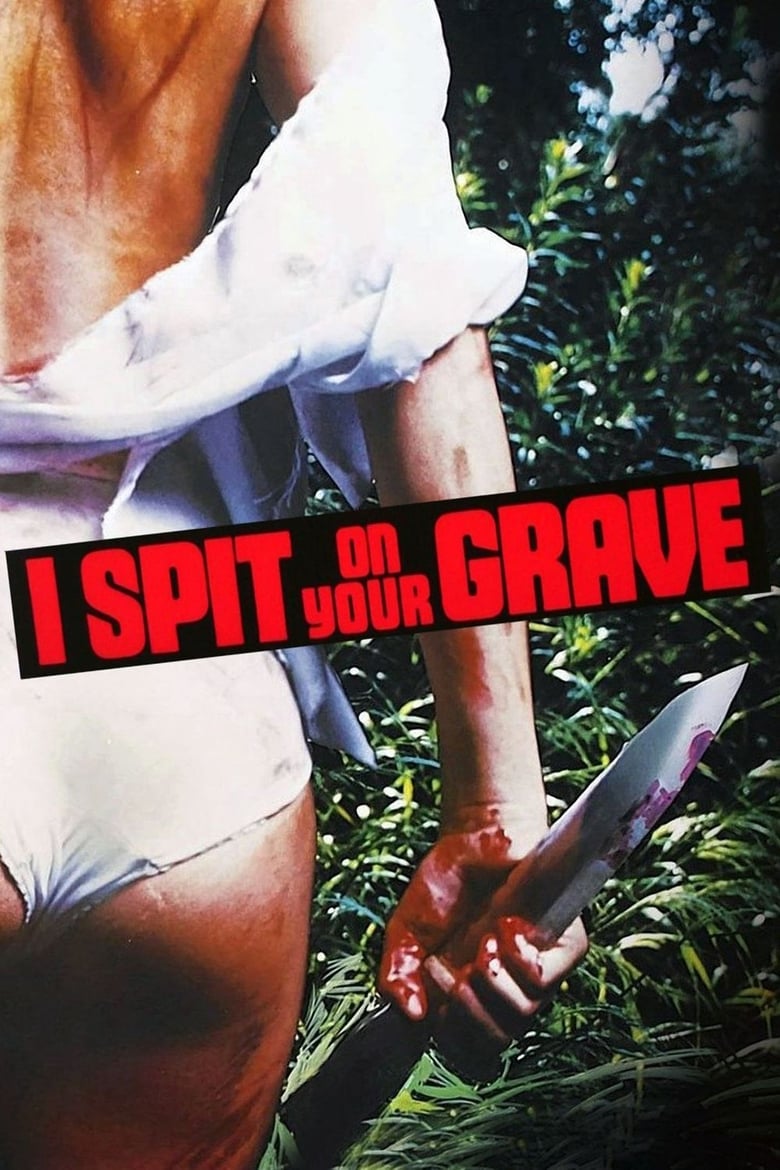
Meir Zarchi's 1978 exploitation picture made me feel genuinely, physically ill. Not in the way a properly crafted horror film leaves you shaken and unsettled, but in the way you feel after accidentally stepping in something vile on a dark pavement. I've sat through some bleak, unpleasant cinema in my time, and I can usually find something to hold onto, some shred of craft or intention that makes the discomfort worthwhile. I Spit on Your Grave offers absolutely nothing of the sort.
This is a film that mistakes prolonged, gratuitous sexual violence for artistic provocation, and frankly, I pretty much hated every single second of it. There is no narrative here to speak of, no character development worth a damn, and absolutely no justification for the relentless, lingering camera work during the assault sequences other than sheer, cynical shock value. Zarchi clearly wanted to position this as some kind of feminist empowerment fable. The execution is so staggeringly tone-deaf that it achieves the exact opposite.
The entire story, if you can even call it that, boils down to two words: disgusting violence, followed by revenge. That's it. Jennifer, played by Camille Keaton, is brutalised for what feels like an eternity, and then she exacts retribution. Watching the camera leer and linger on her suffering for the best part of forty minutes isn't edgy filmmaking. It's just offensive. The acting from the entire cast is wooden and lifeless, reducing every character to a crude, hateful caricature who exists solely to either inflict or receive pain. Nobody here feels like a human being. They're props in a misery machine.
I couldn't help but think of Abel Ferrara's later work during this, particularly the grim urban revenge of Ms. 45, which likely drew some inspiration from Zarchi's template. But even that film, for all its ugliness, possesses a coherent visual language and a performance at its centre that suggests an actual person behind the carnage. Ferrara understood that if you're going to drag your audience through the muck, you owe them something on the other side of it. Zarchi owes nobody anything, apparently. He just keeps the camera rolling and calls it a statement.
The comparison that kept nagging at me was also with Brian De Palma's Sisters, a film operating in similarly dark territory around the same era. De Palma is a director you can argue with, challenge, even accuse of bad taste, but there is always a director there, making choices, building tension, earning his provocations. Watching I Spit on Your Grave, I felt no such presence behind the lens. Just an absence of craft dressed up as transgression.
Honestly, calling this a terrible movie feels almost too generous, because that implies it was attempting to be a movie in the first place. What Zarchi has produced is a vile, exploitative piece of celluloid that offers nothing of artistic, narrative or emotional value to anyone who sits through it. I cannot in good conscience recommend this to a single soul, regardless of their tolerance for extreme cinema. Some films test your limits in ways that feel meaningful. This one just tests your patience and your stomach, and it isn't worth either.
One star, and that's being charitable.
Rating: ★ | Year: 1978 | Watched: 2026-07-18
Where to watch
Watch in the UK
Rent: Apple TV Store · Google Play Movies · Sky Store · YouTube
Buy: Apple TV Store · Google Play Movies · Sky Store · YouTube
Physical: Amazon UK · Zavvi
Watch in the US
Stream: Philo · AMC+ Amazon Channel · Midnight Pulp · ARROW
Rent: Apple TV Store · Google Play Movies · YouTube
Buy: Apple TV Store · Google Play Movies · YouTube
Physical: Amazon US
Affiliate disclosure: Movies With Macca may earn a small commission on purchases or subscriptions started via these links. It costs you nothing extra.