Sisters (1972)

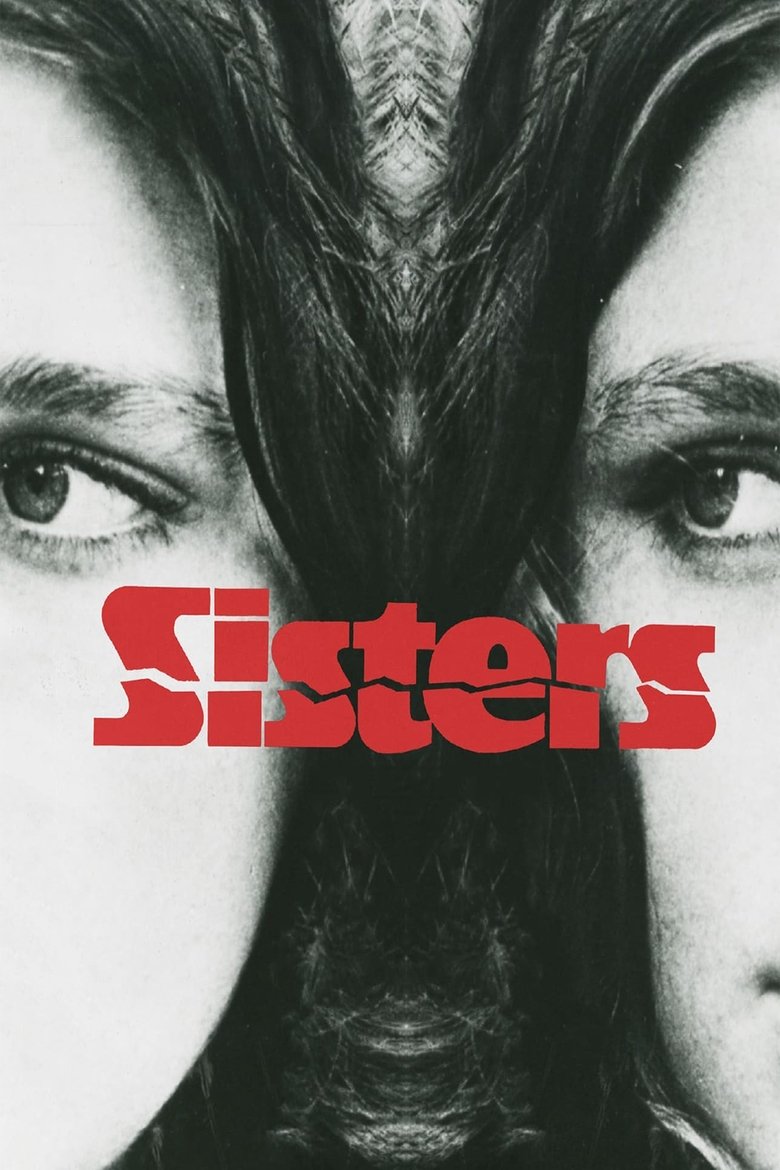
Brian De Palma had me from the very beginning. Not the beginning of his career, mind you, but the beginning of Sisters, a 1972 film I came to surprisingly late and with surprisingly little foreknowledge. The opening scenes hook you with a deceptively simple premise and then tighten the grip, methodically, until you're fully in its clutches. For a director whose work I've adored for years, it was a genuine thrill to discover that the instincts were all there, right from the start.
I've written before about how much I love De Palma's big-hitters. Scarface, Carlito's Way, and what I'd call a genuine horror masterpiece in Carrie. So sitting down with Sisters felt like flipping back through a photo album to find a picture you didn't know existed. This is where so much of that signature style was being assembled, piece by piece.
The premise is a genuinely brilliant hook. An investigative journalist named Grace Collier watches in horror from her window as her neighbour, a fashion model called Danielle Breton, violently murders a man. The police arrive, find nothing, and more or less dismiss Grace as a hysteric. Forced to take matters into her own hands, she teams up with a private investigator to dig into Danielle's past, and what they uncover is deeply, deeply unsettling.
The Hitchcock comparisons are unavoidable and De Palma isn't shy about inviting them. The voyeuristic setup, the protagonist who sees something she can't prove, the creeping dread of institutional disbelief: it's got Rear Window's fingerprints all over it. But De Palma doesn't just ape Hitchcock. He cuts the formula with a sharp dose of Italian Giallo, bringing a bloody, stylised energy that feels distinctly his own. The result sits in a fascinating middle ground between polished suspense and grindhouse grime, and it works.
What genuinely caught me off guard was how pointed the film is about law enforcement. Grace's frustration with the police isn't just a plot mechanism. It's a proper critique of institutional incompetence and partiality, delivered with a cynical edge that gives the whole thing a layer of gritty social commentary you don't always expect from a horror film of this era. It adds real weight to what could have been pure pulp.
Margot Kidder is the engine that keeps it all running. She's asked to carry a dual role with real complexity, and she does it brilliantly, bringing an unpredictable, unhinged quality that keeps you permanently off-balance. You're never quite sure where she's going to take you next, and that uncertainty is precisely what the film needs.
The production is undeniably rough in places. The low-budget indie roots show, and there are moments where the seams are visible. But De Palma turns the constraints into creativity. The split-screen sequences, in particular, are remarkable little demonstrations of visual storytelling instinct from a filmmaker who clearly knew exactly what he was capable of, even at this early stage. They're tense, inventive and genuinely impressive for the time.
Three and a half stars.
Sisters is a bloody good time that earns its place in the horror canon. It's not flawless, but it crackles with invention and ambition, and watching De Palma flex these muscles before he'd fully stepped into the spotlight is a genuine pleasure. If you're a fan of his work and you've somehow let this one slip by you, as I had, put that right.
Rating: ★★★½ | Year: 1972 | Watched: 2026-06-30
Where to watch
Watch in the UK
Stream: MUBI · Shudder · MUBI Amazon Channel · Shudder Amazon Channel
Rent: Apple TV Store · Amazon Video · Google Play Movies · YouTube
Buy: Apple TV Store · Amazon Video · Google Play Movies · YouTube
Physical: Amazon UK · Zavvi
Watch in the US
Stream: HBO Max Amazon Channel · HBO Max
Rent: Amazon Video · Apple TV Store · Fandango At Home
Buy: Amazon Video · Apple TV Store · Fandango At Home
Physical: Amazon US
Affiliate disclosure: Movies With Macca may earn a small commission on purchases or subscriptions started via these links. It costs you nothing extra.