Fishing Without Nets (2014)

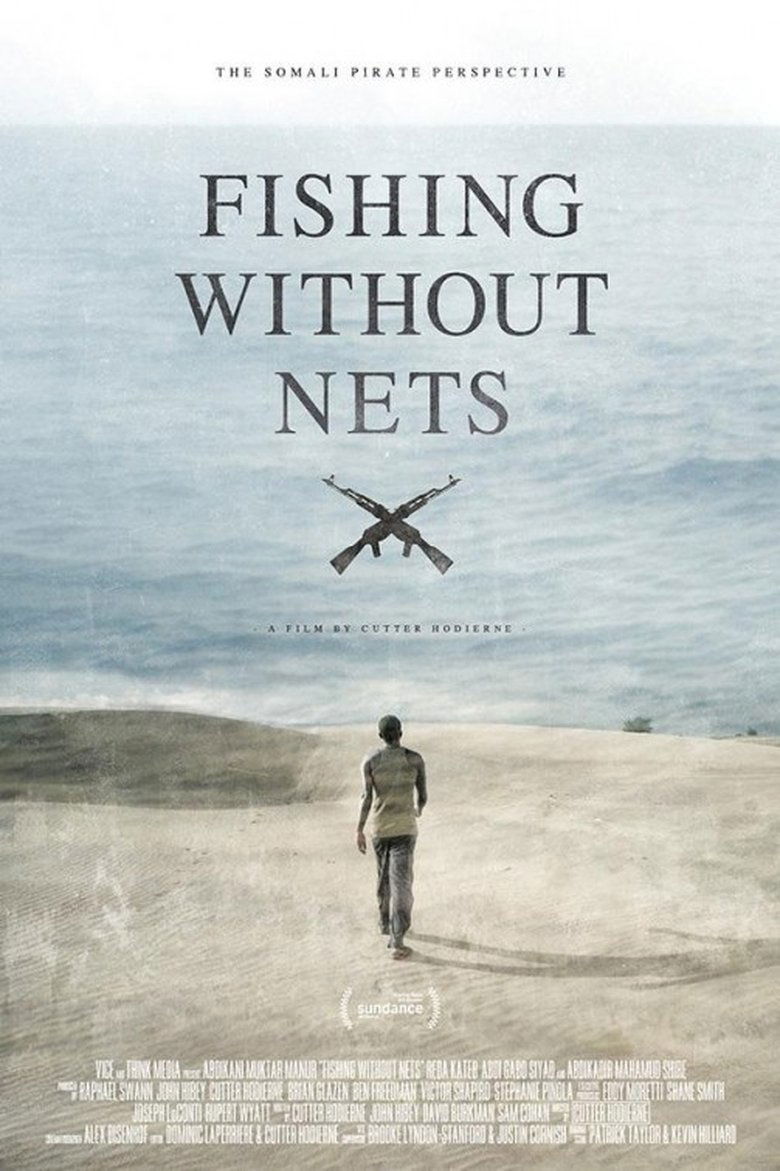
By the time the first skiff hits the water in Cutter Hodierne's drama, I was already fighting off a severe case of déjà vu. This is roughly the fourth film I've sat through that attempts to tackle the Somali piracy phenomenon, and while the geopolitical reality is undeniably complex, the cinematic well is starting to feel a bit dry. I've been down this particular stretch of the Indian Ocean before, most notably with Stolen Seas, and the honest truth is that I keep waiting for someone to do something genuinely surprising with the material. Fishing Without Nets doesn't quite manage it, but it's not without its merits either.
The premise follows a desperate local fisherman who turns to hijacking cargo ships to feed his family, painting an absolutely harrowing picture of life on the Horn of Africa. It's a heavy, vital subject. But the execution leans heavily into a rather predictable "good guy does bad things for a noble cause" trajectory. You can see the moral compromises coming a mile off, which robs the narrative of any real suspense. That's the frustrating thing, because the raw material is genuinely ripe for something subversive or unpredictable. Hodierne opts for a comfortable, conventional drama instead, and that's a choice that costs the film dearly.
That said, you have to give fair play to the technical team. This is an independent production, but it doesn't look like one. The picture is remarkably well-produced visually, capturing the stark, sun-baked desperation of the Somali coastline with a striking, almost documentary-like clarity. The cinematography does a brilliant job of grounding the high-stakes maritime action in a very tangible reality. There's grit here, and heat, and a genuine sense of place. When the film focuses on the sheer, grinding poverty that forces these men onto the water in the first place, it manages to be genuinely affecting, reminding you that behind the headlines of international crime are real, desperate human beings. Those moments land. They just don't come often enough.
A cracking visual palette can only carry a film so far when the script is playing it this safe, though. The character arcs are firmly locked into their respective lanes, and the moral dilemmas are telegraphed with a heavy hand. We know exactly who is going to crack under pressure and who is going to hold onto their humanity, making the third act feel less like a thrilling escalation and more like a checklist of expected tropes. It's a shame, really. The bones of something genuinely great are here, and the film keeps choosing not to reach for them.
What keeps me from writing it off entirely is that the intentions are clearly honourable, and the world it puts on screen feels real in a way that a lot of similarly themed films don't bother achieving. Fishing Without Nets succeeds more as a visual mood piece than as a propulsive narrative. It sheds necessary light on a tragic situation, even if it can't quite find a fresh angle on how that story gets told. If you've got a particular interest in East African stories on film, Nairobi Half Life is still the film I'd point you towards first, but this one is a decent companion piece.
Three stars. Solid, competent, well-intentioned. Worth your time if the subject draws you in. Just don't go in expecting to be caught off guard.
Rating: ★★★ | Year: 2014 | Watched: 2026-07-15
Where to watch
Watch in the UK
Rent: Google Play Movies · YouTube
Buy: Google Play Movies · YouTube
Physical: Amazon UK · Zavvi
Watch in the US
Buy: Apple TV Store
Physical: Amazon US
Affiliate disclosure: Movies With Macca may earn a small commission on purchases or subscriptions started via these links. It costs you nothing extra.