Fish Tank (2009)

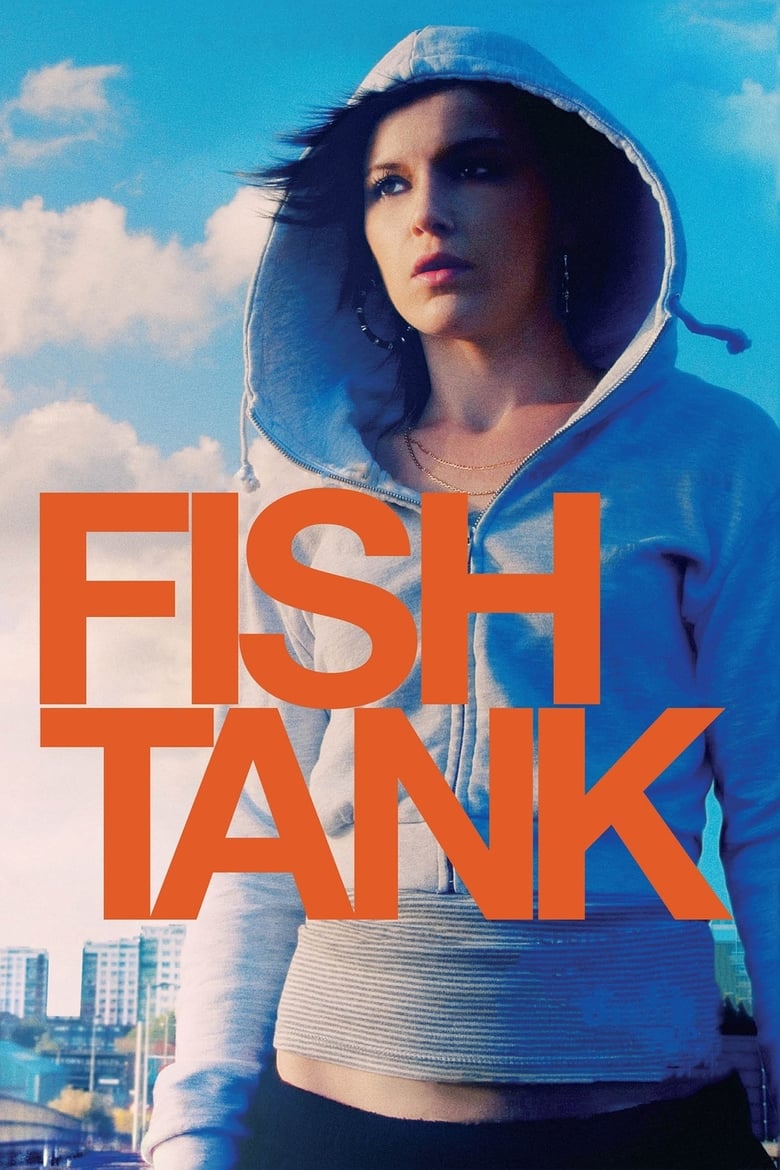
There's a moment early in Fish Tank where Mia, alone on a concrete walkway, throws herself into dancing with a ferocity that's equal parts joy and fury. Nobody's watching. Nobody ever watches. And that, right there, is the whole film in miniature: a girl burning bright in a place that can't see her. It's the kind of image that lodges itself somewhere behind your ribs, and it's why Andrea Arnold's 2009 film, for all its flaws, has stayed with me.
Katie Jarvis is astonishing here. She'd never acted before, and you can feel that in the best possible way. Mia's anger and vulnerability don't feel performed, they feel inhabited. Every outburst, every wounded glance, every moment of softness quickly armoured over, it all reads as real. If you've grown up around people like Mia, as I have, you'll recognise her immediately. This isn't a director exoticising working-class life for a middle-class audience. It's recognition, pure and uncomfortable.
Arnold shoots the whole thing with handheld cameras and natural light, keeping everything close and immediate. The cramped council flat, the scrubby wasteland behind the estate, the aimless summer days that stretch out like they'll never end and then disappear before anything's been resolved. The world Mia moves through feels lived-in because it is lived-in, and the soundtrack earns its place alongside the visuals. Tracks from Steel Pulse and others don't just underscore scenes, they become part of Mia's interior life, moments of colour and escape in a landscape that offers precious little of either.
Michael Fassbender plays the man who turns Mia's already volatile world upside down. It's the kind of quietly dangerous performance he does so well (I'd seen a very different side of him in X-Men: First Class, but this is the role that really showed his range to me). The scenes between him and Jarvis carry a charge that's genuinely uncomfortable, which is entirely the point. Arnold handles the building tension of that relationship with care and precision, never letting you quite settle into an easy reading of what's happening.
Where the film stumbles, though, is in its third act. After the pivotal scene involving Fassbender's character, things tip into a kidnapping sequence that feels tonally out of step with everything that's preceded it. Up to that point, the drama has come from recognisable human behaviour and misplaced trust, from the specific weight of being fifteen and desperate for something you can't quite name. The kidnapping feels like it belongs to a slightly different, more sensational film. Less earned than imposed. It's not a dealbreaker, but it does knock the film off the axis it's been so carefully maintaining.
The ending compounds this slightly. Arnold goes for abrupt, and I understand the instinct. Mia's life doesn't resolve neatly, so why should the film? But there's a difference between a hard cut that feels powerful and one that feels like it simply runs out of road. This tips just slightly toward the latter, denying Mia, and us, the briefest moment of breath before it's done. Films like Monos pull off a similar brand of bleak, fractured ending with more authority, partly because the ambiguity there feels deliberately constructed rather than abruptly arrived at.
For all that, Fish Tank is something genuinely worth your time. It's raw, it's beautifully acted, and it treats its subject with a respect and an empathy that the British social realist tradition at its best always manages. The ache of being young, poor, and unseen is captured here with precision and, in its best passages, something close to poetry. Arnold's eye for those moments, a girl dancing alone, a horse tethered on a scrubby verge, a child asleep in the back of a car, is extraordinary.
It falls just short of being the truly great film it sometimes promises to become, largely because of that tonal wobble and the slightly fumbled landing. But "just short of truly great" is still well worth three and a half stars, and Katie Jarvis's performance alone is reason enough to watch it.
Three and a half stars.
Rating: ★★★½ | Year: 2009 | Watched: 2026-05-21
Where to watch
Watch in the UK
Rent: Google Play Movies · YouTube
Buy: Google Play Movies · YouTube
Physical: Amazon UK · Zavvi
Watch in the US
Stream: fuboTV · Philo
Physical: Amazon US
Affiliate disclosure: Movies With Macca may earn a small commission on purchases or subscriptions started via these links. It costs you nothing extra.