
Badlands (1973)

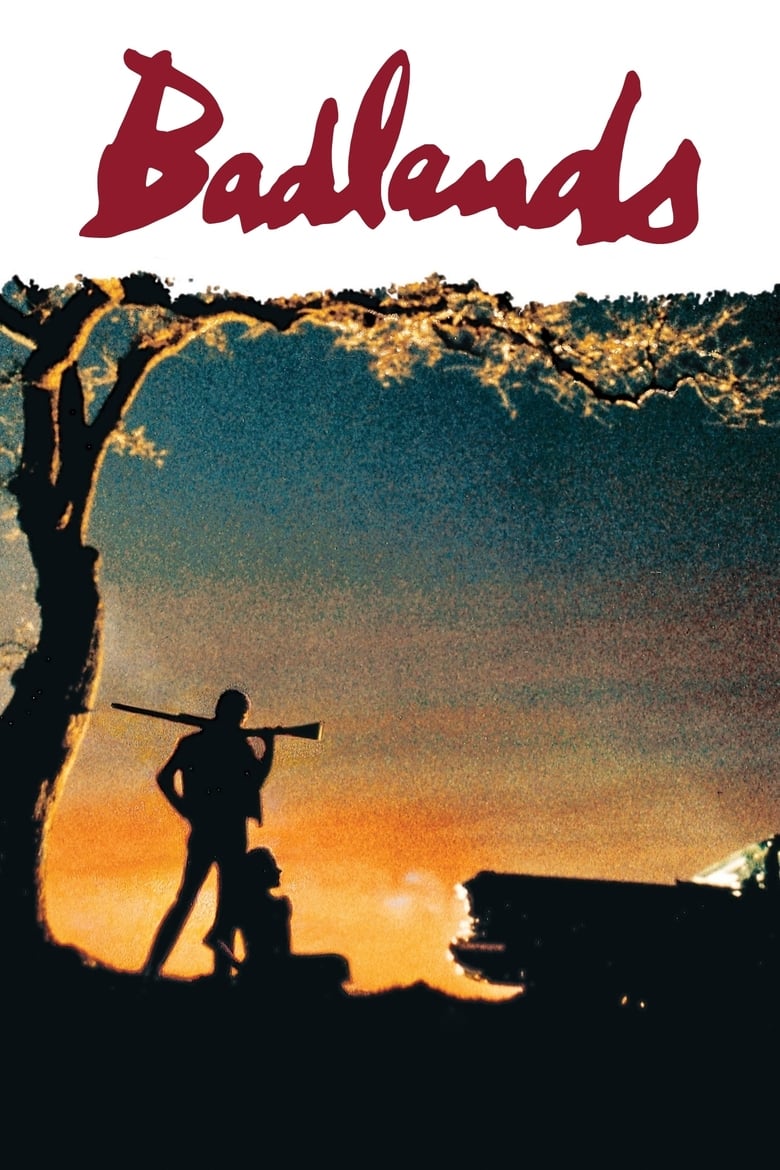
There is a haunting beauty to the American Midwest that few filmmakers have ever captured quite like Terrence Malick. His 1973 debut, Badlands, is one of those films you feel as much as you watch. It drifts over you like heat rising off a sun-baked road, gorgeous and unsettling in equal measure, and long after the credits roll you find yourself still under its strange, quiet spell.
What Malick managed here, straight out of the gate, was to effectively birth an entire subgenre. The older, disaffected drifter. The impressionable teenage girlfriend. The senseless killing spree across a vast, indifferent landscape. You can draw a direct line from Badlands to practically every road-movie-meets-crime-spree picture that followed in its tyre tracks over the next fifty years. And yet, despite the avalanche of imitators, the original retains something none of them have quite managed to replicate: that almost dreamlike detachment, that peculiar, floating quality that makes the whole thing feel less like a thriller and more like a dark fairy tale.
A big part of why it works is Sissy Spacek. She is the undeniable heart of the film, narrating the proceedings in a voice so full of breezy, guileless innocence that it becomes genuinely disturbing. She describes murder and flight with the same casual wonder she might use to describe a school trip. It is a wonderfully understated performance, the kind that sneaks up on you. Martin Sheen, meanwhile, brings a quiet, simmering menace to Kit, his James Dean swagger masking something far colder underneath. The two of them together create a chemistry that is magnetic precisely because it feels so off-kilter, so oddly mundane.
Visually, the film is absolutely stunning. The landscapes are shot with a sun-drenched clarity that makes those vast, empty spaces feel simultaneously liberating and deeply isolating. There is a loneliness baked into every frame. The soundtrack, too, deserves a mention. Period-appropriate tunes sit cheerfully alongside the grim reality on screen, functioning as a kind of ironic counterpoint that keeps you slightly off-balance throughout. It is a trick Malick would refine beautifully in Days of Heaven (1978), which shares much of this film's gorgeous, elegiac texture.
My reservations, and I do have them, come down to depth. For all its stylistic brilliance, Badlands keeps its characters at arm's length. Malick is clearly more interested in tone and texture than in peeling back the psychological layers of Kit and Holly, and while that cool, observational distance is part of the point, it does leave you wanting. I found myself craving a bit more emotional weight behind the violence, something to anchor the carnage beyond its own strange beauty. The film gestures at a commentary on youthful apathy, on a generation treating rebellion and murder with equal indifference, but it never quite commits to probing that idea as deeply as it might.
That said, I do not want to be too hard on it. This is a film that prioritises mood over momentum, atmosphere over answers, and on its own terms it succeeds brilliantly. As a foundational piece of 1970s American filmmaking it is undeniably compelling, and as a debut it is frankly remarkable. Malick arrived fully formed, which is as impressive as it is slightly annoying.
Three and a half stars. Worth every minute of your time, even if it does leave you sitting with more questions than it is willing to answer.
Rating: ★★★½ | Year: 1973 | Watched: 2026-07-31
Where to watch
Watch in the UK
Stream: HBO Max Amazon Channel · HBO Max
Rent: Apple TV Store · Amazon Video · Google Play Movies · Sky Store
Buy: Apple TV Store · Amazon Video · Google Play Movies · Sky Store
Physical: Amazon UK · Zavvi
Watch in the US
Rent: Amazon Video · Apple TV Store · Google Play Movies · YouTube
Buy: Amazon Video · Apple TV Store · Google Play Movies · YouTube
Physical: Amazon US
Affiliate disclosure: Movies With Macca may earn a small commission on purchases or subscriptions started via these links. It costs you nothing extra.



