Alone (2017)

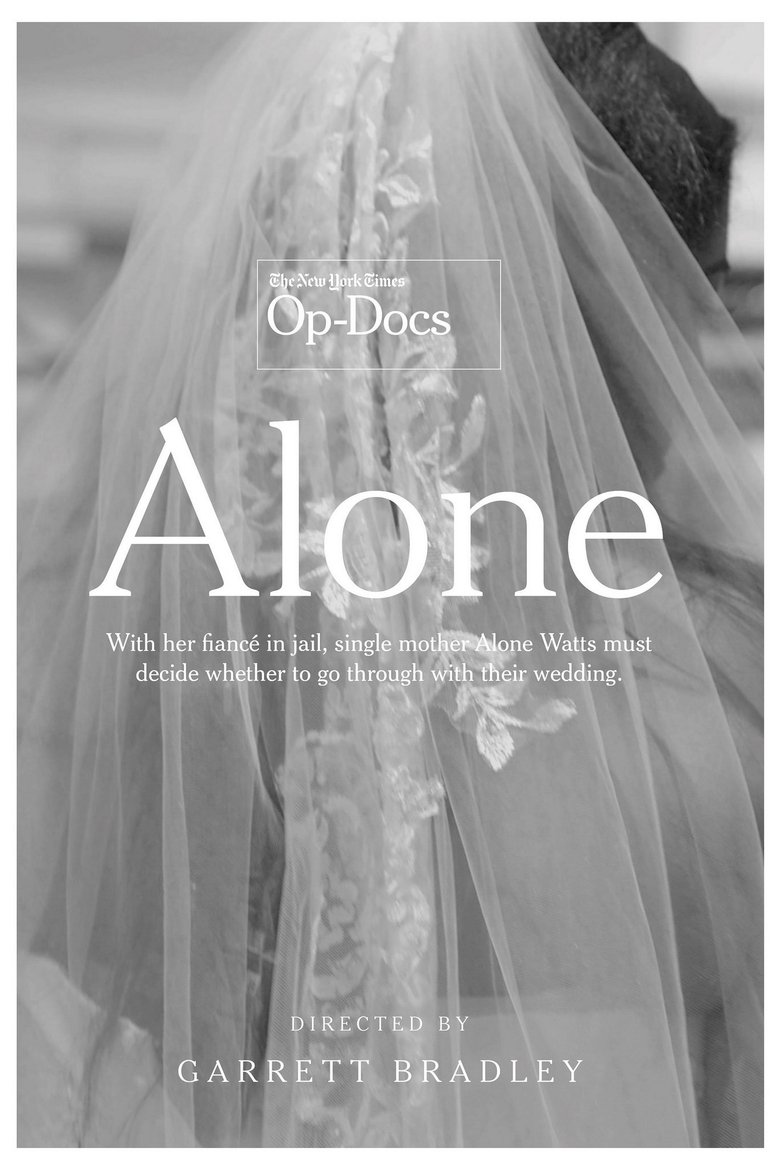
When a filmmaker grabs you by the collar with one short film, you go looking for more. That's exactly what happened after I saw Garrett Bradley's America, which left such a mark on me that I went straight to Alone, her 2017 short. What I found was something quietly devastating: an intimate, unflinching look at mass incarceration and what it does to Black American families, told through the daily life of a single mother in New Orleans. Heavy subject matter, handled with extraordinary care.
Bradley doesn't come at this with placards or statistics. She gets close, stays close, and lets the camera do the listening. What emerges is a portrait of resilience that never tips into sentimentality, and that restraint is where her real strength lies. The tone she sets from the off is one of quiet dignity, and it holds all the way through.
One of the things that genuinely stopped me in my tracks was the question I kept asking myself as I watched: is this scripted or is this real? The boundary between documentary and drama feels genuinely blurred here, in the best possible way. The subject's on-screen presence is so natural, so unguarded, that I kept second-guessing what I was looking at. It reminded me of the same productive disorientation I felt watching Salaam Cinema, where the line between performance and lived reality becomes productively unstable. Bradley pulls off something similar here, and it's a real stylistic achievement. The filmmaking is precise without ever feeling clinical, and that combination makes the emotional weight land all the harder.
That said, I do have to be honest about where the film tests you. The pacing is deliberate. Very deliberate. Bradley is clearly in no hurry, and while the observational style suits the subject beautifully, there are stretches where the lack of traditional narrative momentum starts to work against her. I don't need a documentary to hold my hand, but I do need it to keep me in the room, and Alone occasionally drifts into a quietness that borders on inertia. When you're dealing with a subject this important and this underrepresented, you want every minute to earn its place. Most of them do. Not quite all of them.
What carries you through those slower passages is the sheer authenticity of what's on screen. Bradley has a gift for capturing raw, unfiltered emotion without ever making her subject feel like a specimen. The humanity here is never in doubt. You leave the film with a real sense of what systemic incarceration costs, not in the abstract policy sense, but in the daily, grinding, personal sense. The cost to one woman, one family, one life.
Three stars out of five, then. Alone is a beautifully crafted, deeply empathetic piece of work that confirms Garrett Bradley as a filmmaker with a truly distinctive eye. It's not without its pacing stumbles, and as a documentary it doesn't always provide the narrative pull you might hope for. But its emotional honesty and visual intelligence more than compensate. If you've already seen America, you need to see this. And if you haven't seen either, start there and come straight back. Bradley is exactly the kind of filmmaker worth following closely.
Rating: ★★★ | Year: 2017 | Watched: 2026-07-09
Where to watch
Watch in the US
Stream: Criterion Channel
Physical: Amazon US
Affiliate disclosure: Movies With Macca may earn a small commission on purchases or subscriptions started via these links. It costs you nothing extra.