Zana (2019)

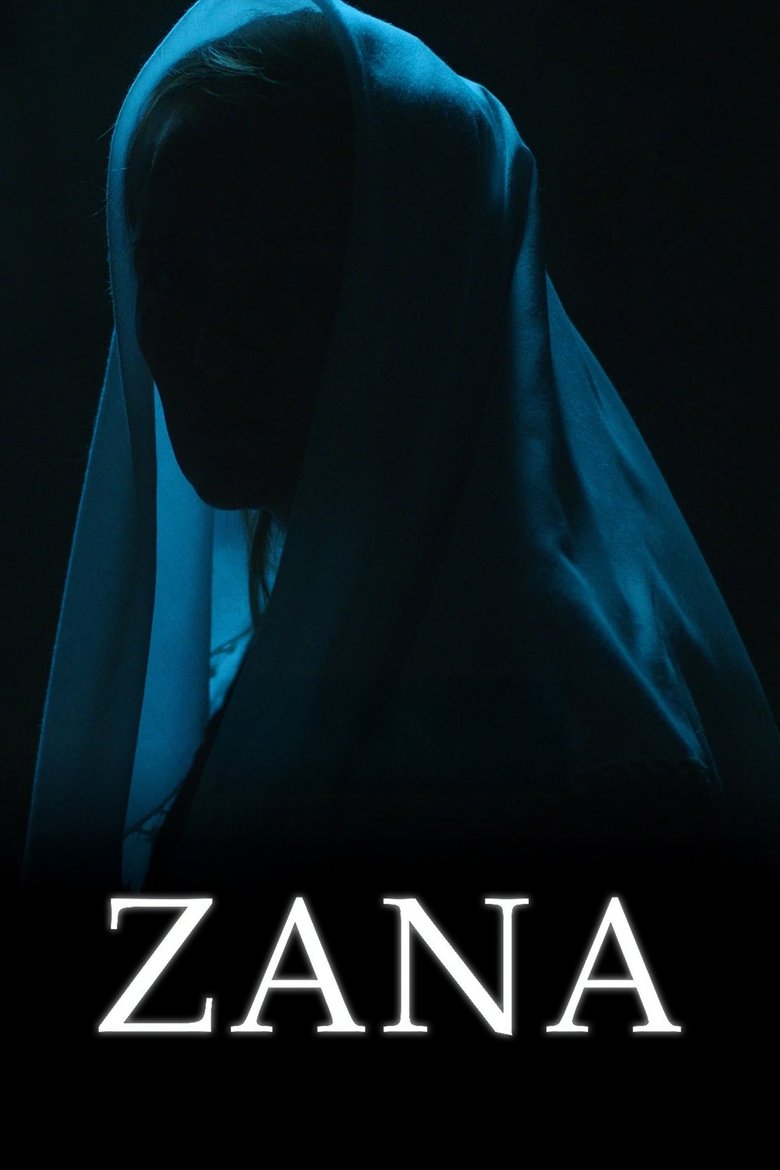
The cover art had me completely fooled. Something about the imagery suggested I was in for a horror film, the kind that lingers in your peripheral vision and makes you uneasy in the dark. So when Antoneta Kastrati's Zana revealed itself to be something else entirely, something far heavier and far more grounded, I had to recalibrate quickly. This is not a film about things that go bump in the night. It's about grief so total and so unrelenting that it becomes its own kind of haunting.
The film centres on a woman still drowning in the loss of her child during the Kosovan war. That's the wound at the heart of everything, and Kastrati never lets you forget it. What struck me immediately was how resolutely the film refuses melodrama. There are no sweeping emotional breakdowns designed to cue your tears. Instead, you get the suffocating texture of everyday life carrying an unbearable weight, the dull, grinding reality of a woman who is still submerged while the world around her insists she should be surfacing by now.
And that pressure from the people closest to her is where the film finds its real tension. Her family's expectation that she should move on, try again, have another child, acts like a vice tightening around her. It's not malicious, exactly, which almost makes it worse. It's the kind of well-meaning cruelty that comes from people who love you but cannot sit with your pain any longer. That dynamic is deeply uncomfortable to watch, and it's meant to be. Kastrati handles it with a sharp, unflinching eye.
A character study like this lives entirely on the performance at its centre, and Adriana Matoshi is extraordinary. She does so much with so little. A weary glance, a slumped posture, the way she moves through a room like someone who is only partially present in it. You never feel the film straining to tell you how she feels because Matoshi is already showing you, quietly and precisely. There is no forced exposition, no moment where the script reaches for your arm and spells it out. The performance is fragile and fiercely internalised all at once, and it carries the film on its back.
I should be upfront about the pacing, though, because it will genuinely put some people off. This is deliberately, unapologetically slow. Kastrati is not interested in propulsion or narrative momentum in any conventional sense. She's interested in atmosphere, accumulation, the way grief distorts time. If you go in expecting a brisk watch or any kind of uplifting resolution, you're going to find this a chore. That's not a criticism of the film so much as it is a fair warning about what kind of experience you're signing up for.
It reminded me in certain ways of Hive, another film rooted in the aftermath of the Kosovan war and its devastation on women left behind. Both films share that same commitment to emotional realism, that same refusal to offer easy comfort. Watching them in close succession would make for a bruising double bill, but a genuinely rewarding one if you're in the right frame of mind.
Three stars. Zana is a gripping, well-acted exploration of trauma and loss that earns its difficult silences. It's not an easy watch and it's not trying to be. But if you have the patience for emotionally demanding work that respects the messy, complex reality of grief rather than tidying it up for your convenience, there's a lot here worth sitting with.
Rating: ★★★ | Year: 2019 | Watched: 2026-07-29
Where to watch
Watch in the UK
Stream: Amazon Prime Video · Amazon Prime Video with Ads
Rent: Apple TV Store · Amazon Video · Google Play Movies · BFI Player
Buy: Apple TV Store · Amazon Video · Google Play Movies · YouTube
Physical: Amazon UK · Zavvi
Watch in the US
Stream: Amazon Prime Video · Brew · Amazon Prime Video with Ads
Rent: Amazon Video · MovieMe
Buy: Amazon Video
Physical: Amazon US
Affiliate disclosure: Movies With Macca may earn a small commission on purchases or subscriptions started via these links. It costs you nothing extra.