Village at the End of the World (2012)

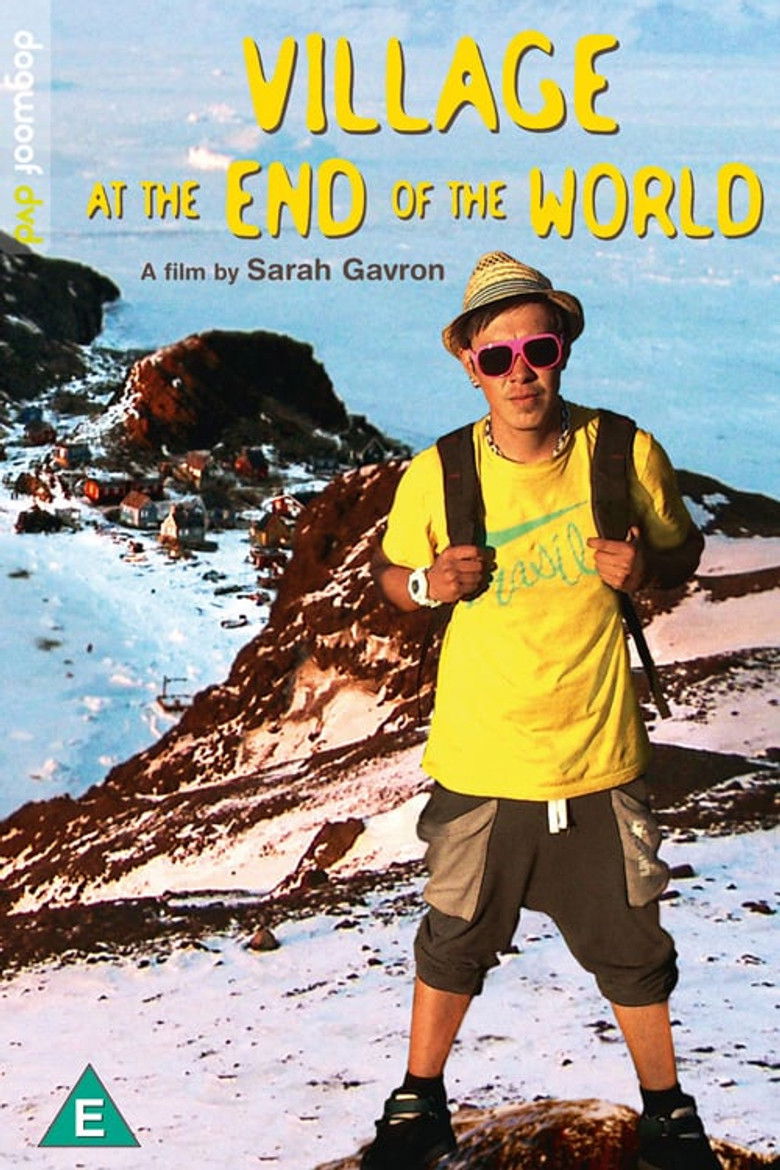
There's a genuinely compelling story buried somewhere inside Village at the End of the World. A tiny settlement of roughly 59 people clinging to existence in the very north of Greenland, their population dwindling, their way of life under very real threat of extinction. That's the stuff of gripping documentary filmmaking. So why, for large stretches of Sarah Gavron's film, am I watching someone trudge through the Arctic cold doing their daily chores with very little sense of where any of it is going?
The sad truth is that this really did not need to be 80 minutes long. And I say that as someone who went in genuinely curious. The subject matter alone pulled me through the door. If anything, those population figures have only got grimmer since the film came out, with latest estimates putting the community down to around 30 people. That existential weight is real and it deserves to be felt on screen. But feeling it requires a film that knows how to build and sustain momentum, and this one struggles badly on that front.
The opening stretch is genuinely interesting. There's something quietly arresting about being dropped into a world so completely removed from ordinary life, watching a community operate on its own rhythms, at the edge of the map, far from everything familiar. If you've seen Ivalu, you'll know that Greenland offers filmmakers a landscape and a culture rich enough to carry serious dramatic and documentary weight. Gavron clearly feels that pull too, and visually, the film is often stunning. The cinematography captures the harsh, breathtaking beauty of the Arctic with real skill, and there are moments where the landscape alone stops you in your tracks.
But pretty pictures can only carry a film so far when the pacing is this sluggish. After that promising start, Village at the End of the World gets very samey, very fast. Gavron follows her subjects through their routines with a patience that tips over into inertia. Long stretches pass where you're essentially watching people graft in the freezing cold without any meaningful sense of narrative progression or emotional build. It's observational filmmaking taken to a point where observation alone stops being enough.
And then there's the sound design, which I genuinely cannot make sense of. There's a recurring horror effect, those shrieking, high-pitched tension strings you'd normally hear as a slasher villain creeps up behind an unsuspecting victim, that keeps appearing over completely ordinary, everyday scenes. I haven't the foggiest what they were going for. Rather than adding atmosphere or unease, it just pulls you clean out of the moment. It ends up feeling like a clumsy editorial reach for drama that the footage itself isn't quite delivering.
That's the frustration at the heart of the film. The raw material is there. A community fighting for survival, real people carrying the weight of a vanishing world on their shoulders, a landscape that looks like it belongs to another planet. Any one of those threads, handled with the right structure and editorial discipline, could have made for something genuinely powerful. Instead, the film spreads itself thin across too much runtime, too many quiet moments that don't accumulate into anything, and some baffling tonal choices along the way.
I've got a lot of time for documentary filmmaking that trusts its subjects and lets things breathe. But there's a difference between patience and drift, and Village at the End of the World too often ends up in the latter. It's a fascinating subject trapped in a film that can't quite carry it. Worth a watch if the subject matter hooks you as much as it hooked me, but go in with tempered expectations and maybe a coffee on standby.
Two stars.
Rating: ★★ | Year: 2012 | Watched: 2026-06-12
Where to watch
Watch in the UK
Rent: Amazon Video
Buy: Amazon Video
Physical: Amazon UK · Zavvi
Affiliate disclosure: Movies With Macca may earn a small commission on purchases or subscriptions started via these links. It costs you nothing extra.