
Lost Boy in Juba (2017)

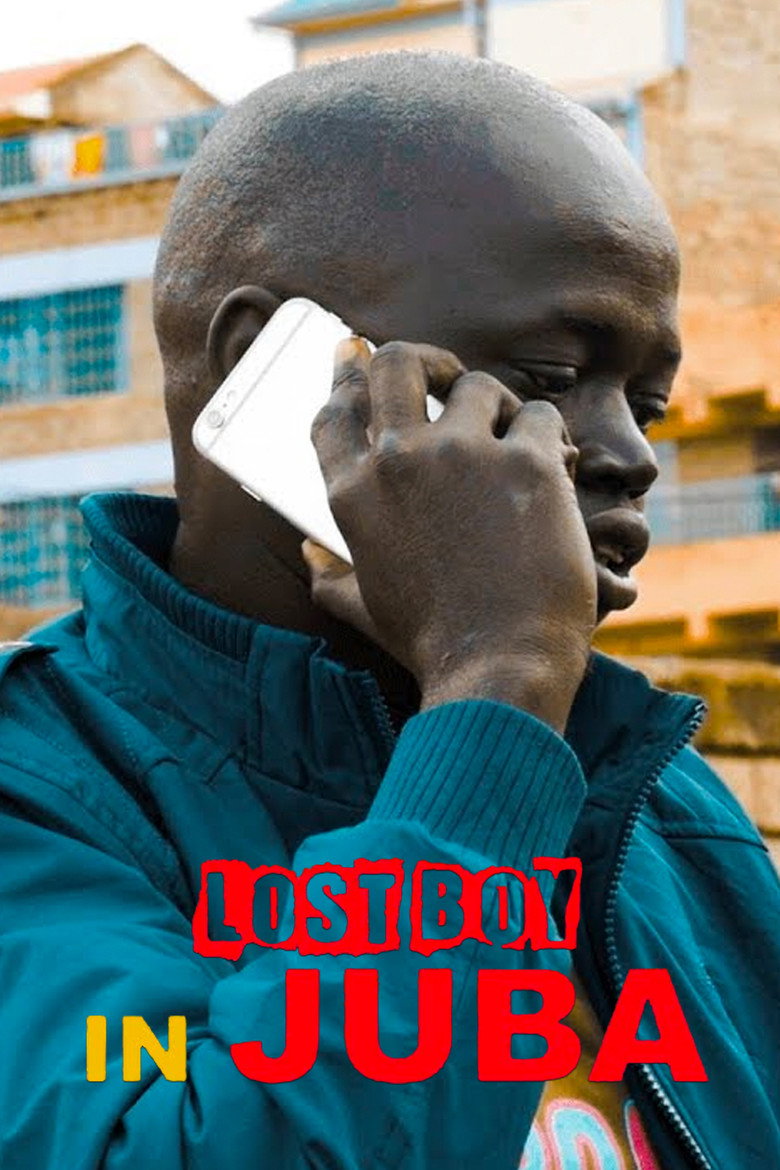
Three minutes. That's all it takes for Lost Boy in Juba to make its case, and honestly, three minutes is about two minutes and fifty seconds too long. The premise is this: a returnee from the diaspora, presumably used to tapping a card for everything, tries to pay for a shoeshine with his credit card. The shoeshine man is baffled. That's the joke. That is the whole joke. And the film ends before it ever figures out what to do with it.
On paper, I don't hate the idea. Culture-clash comedy can be a genuinely sharp tool. There's real material to be mined in the experience of returning to a home that no longer quite fits, of carrying habits from abroad that make no sense on the street corner where you grew up. Done well, that kind of story can be funny and pointed at the same time. But Lost Boy in Juba isn't interested in doing it well. The premise is introduced, played once, and then the film simply stops. No escalation. No twist. No moment where the gag opens up into something more. It arrives, shrugs, and leaves.
Technically, it's rough in every direction. The camerawork is static in the wrong way, not a deliberate, composed stillness but the stillness of a phone propped against something. The lighting is flat, the sound feels grabbed rather than recorded, and the performances, while naturalistic, have none of the comic timing a one-joke short desperately needs. Rhythm is everything in this kind of comedy. You need the pauses to land, the reactions to breathe, the misunderstanding to build just a little before it resolves. Lost Boy in Juba never finds that rhythm. It fumbles the punchline by not really throwing one.
What makes this genuinely difficult to write about is the context. South Sudan is the world's youngest nation, and its film industry is in its absolute infancy. The fact that this short registers as one of the country's most visible films on international platforms says almost nothing about the film itself and almost everything about how little South Sudanese cinema has had the chance to reach audiences beyond its borders. Every finished piece from that environment is a real achievement in some sense, and I don't want to dismiss the effort involved in making anything at all under those conditions.
But I also can't pretend that context transforms the film into something it isn't. Effort deserves acknowledgement. It doesn't automatically produce good work, and saying otherwise would be its own kind of condescension. The kindest thing I can say is that this exists, it was finished, and it points toward a filmmaker who might one day have something more to say and the tools to say it. Thinking about films like Dowry of Life (2013), which navigates its own cultural specificity with far more craft and intention, you can see what it looks like when a small film finds a way to make its premise mean something. Lost Boy in Juba hasn't got there yet.
Half a star, and I mean that generously. It goes to the fact of completion, to the specific cultural snapshot it captures, and to the faint hope that whoever made this keeps making things. As entertainment, as satire, as storytelling, it's a nothing piece. You'll spend three minutes waiting for a joke to land, and then it won't, and then you'll wonder why you didn't just go and put the kettle on.
Rating: ½ | Year: 2017 | Watched: 2026-06-01



