Time of the Gypsies (1988)

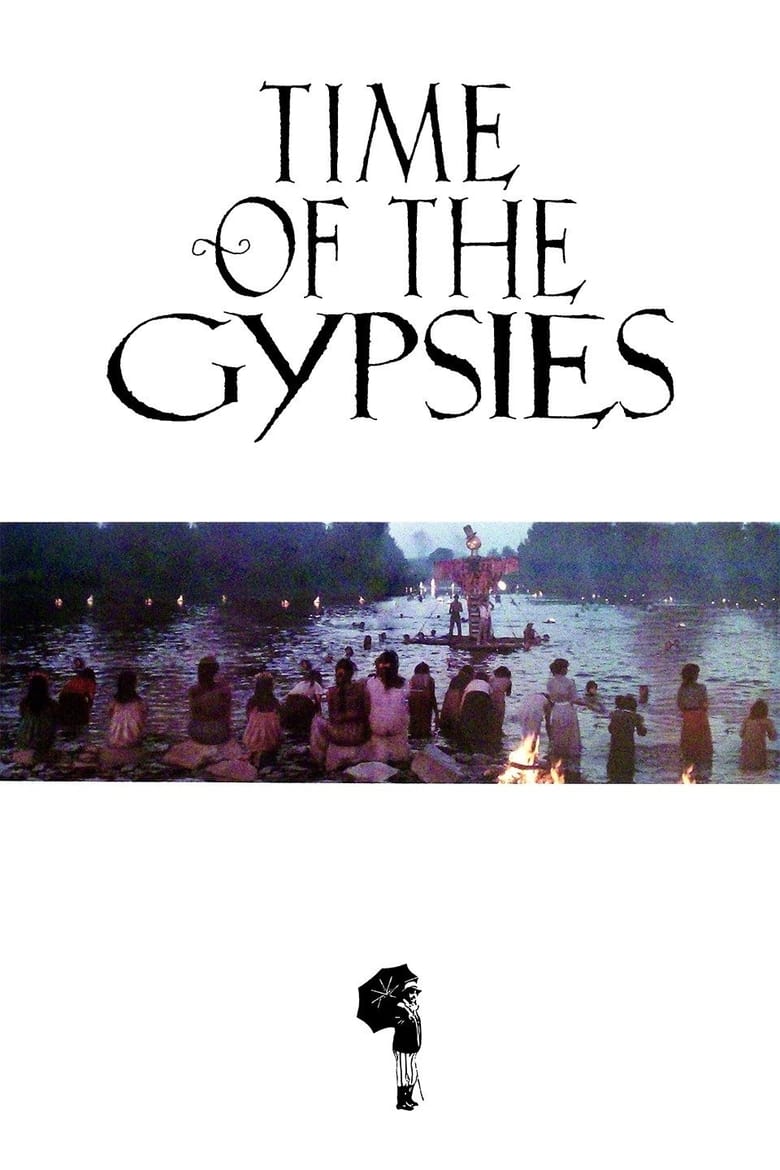
Being half Romani, I came to Time of the Gypsies carrying a particular kind of curiosity. I knew the Romani experience depicted here, in what was then Yugoslavia, would be worlds away from anything I grew up with in the UK. What I didn't quite expect was how viscerally the film would land, or how rare it would feel to watch a piece of cinema that doesn't just gesture at a culture but actually speaks its language. Literally. The choice to have the characters speak predominantly in Romani is quietly extraordinary. It's an incredibly rare and powerful decision, grounding the whole picture in a linguistic and cultural truth that mainstream Western cinema simply never bothers with.
The story follows Perhan, a young man with telekinetic abilities, who falls for a local girl and gets gradually, fatally drawn into a life of organised crime. It's a classic tragic arc, the kind of rise-and-fall structure you could sketch on a napkin. But the structure is almost beside the point. What makes this film genuinely sing is the sheer, chaotic vitality of the people filling the frame.
The absolute standout, for my money, is the grandmother, played by Ljubica Adžović. She brings a fierce, matriarchal gravity to every scene she's in, the kind of presence that makes you forget you're watching a performance. And there's a wonderful bit of trivia here: she was a self-taught actress who apparently ended up running off with another actor from the set. I love that. Because that same untamed, real-life energy is palpable in everything she does on screen. She anchors the whole chaotic family dynamic, and the film is measurably better for her being in it.
I'll be honest with you, though. The film is rough around the edges. The middle act drags. Perhan's descent into the criminal underworld meanders, and there are stretches where you feel the weight of the film's ambitions more than its momentum. For a sprawling, low-budget Eastern European production from the late 1980s taking on this much subject matter, a certain degree of narrative messiness is probably inevitable. You either make your peace with it or you don't.
What rescues those slower passages, almost every time, is Goran Bregović's score. It's a relentless, driving, manic thing, full of a celebratory energy that refuses to let the film lose its pulse even when the plot is stalling. It's the kind of music that makes you want to move, and it lends the whole picture a propulsive, joyful quality that sits in fascinating tension with the bleakness of what's actually happening to Perhan. Emir Kusturica builds that tension well. Fans of his later work will recognise a lot of the same DNA here: the magical realist touches, the sprawling community scenes, the way joy and tragedy end up dancing together in the same frame. If you've seen Underground (1995), you'll find much of its spirit already present here, a little rougher, a little younger, but recognisably the same restless filmmaker at work.
What stays with me most, stepping back from the craft of it, is how the film holds both things at once: the magical realist fable and the harsh social commentary. The telekinesis isn't a gimmick. It marks Perhan out as someone extraordinary being ground down by circumstances that don't care how special he is. That's the real tragedy the film is telling, and it tells it with an authenticity and a specificity that I found genuinely affecting, particularly given my own background. Romani communities have been misrepresented, exoticised and ignored by cinema for so long that a film like this, imperfect as it is, still feels like something to hold onto.
Three and a half stars. Flawed, alive, and worth your time.
Rating: ★★★½ | Year: 1988 | Watched: 2026-07-27
Where to watch
Watch in the UK
Rent: Apple TV Store · Amazon Video · Google Play Movies · YouTube
Buy: Apple TV Store · Amazon Video · Google Play Movies · YouTube
Physical: Amazon UK · Zavvi
Watch in the US
Rent: Amazon Video · Apple TV Store · Google Play Movies · YouTube
Buy: Amazon Video · Apple TV Store · Google Play Movies · YouTube
Physical: Amazon US
Affiliate disclosure: Movies With Macca may earn a small commission on purchases or subscriptions started via these links. It costs you nothing extra.