The Virgin Suicides (1999)

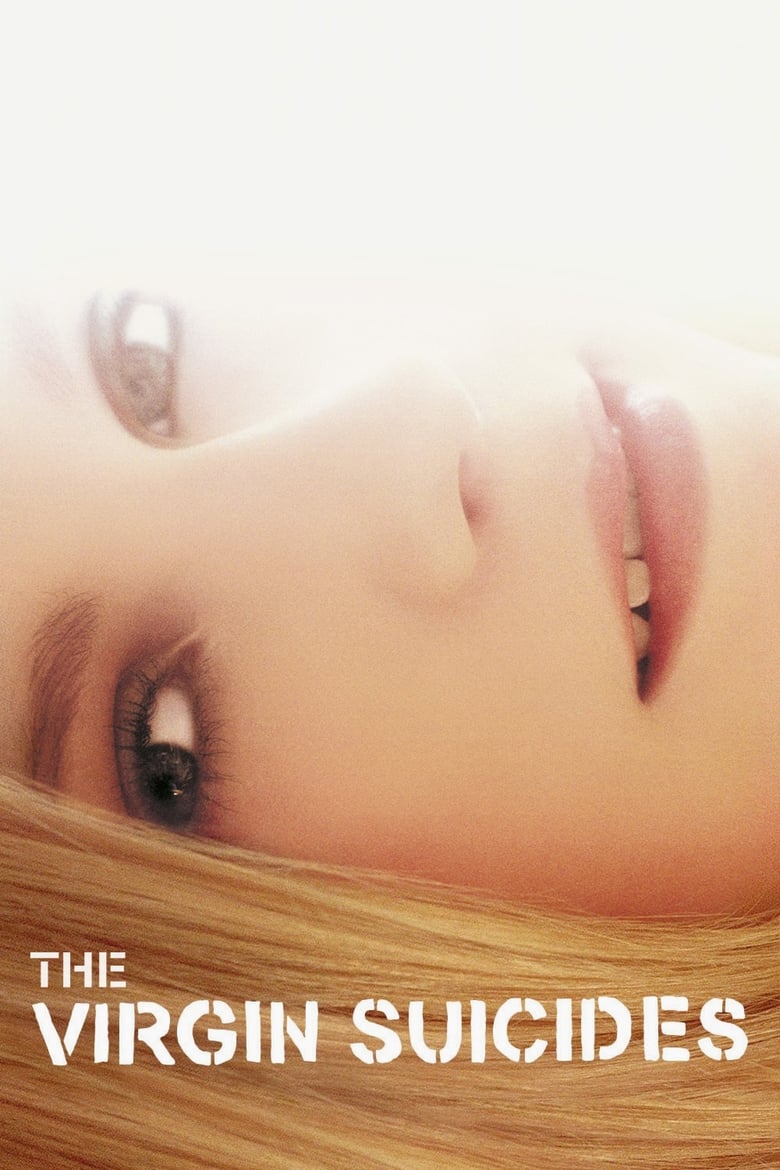
There is a very specific, hazy nostalgia to the airwaves of 1970s suburban America, and Sofia Coppola bottles that exact feeling perfectly in her 1999 directorial debut. From the very first frame, you are enveloped by a cracking supporting soundtrack and the melancholic, omniscient narration of Giovanni Ribisi, voicing the collective, obsessive memory of the neighbourhood boys who watched it all unfold and never quite got over it. That framing device does so much heavy lifting. It immediately sets a tone of wistful, inescapable sorrow, and it tells you straight away that this story will be told from the outside looking in, through the distorted lens of memory and longing and guilt.
We are dropped into the lives of the five Lisbon sisters, and from the very first scene, you know this is going to be a deeply tragic tale told from multiple, often conflicting, perspectives. What makes it so compelling is how it distributes that heartbreak across the entire community. It is devastating for the girls, suffocating for their overbearing parents, and deeply confusing for the local lads watching from afar. Well, except for Trip Fontaine, who is just a genuinely horrible person and gets absolutely no sympathy from me. None. Moving on.
The writing is remarkably strong, giving us a varied and engaging ensemble. The acting throughout is incredibly solid, anchored by a brilliant Kirsten Dunst and a perfectly stoic James Woods as the father. Fair play to the casting directors as well, because a young Josh Hartnett and Hayden Christensen both appear in early strong roles, looking like they have just stepped out of a vintage catalogue. It all feeds into Coppola's vision of the period, this stifling, sun-drenched claustrophobia that seeps into every shot. The film operates as a beautiful, tragic tone poem about suburban repression and the impossibility of truly knowing another person, no matter how desperately you want to.
I have to be honest, watching it recently I kept comparing it to Deniz Gamze Ergüven's Mustang, which tackles a remarkably similar premise of young women confined by societal and familial expectations. And I will say it plainly: Mustang is the sharper, better film in practically every aspect. It hits harder, it burns brighter, and the anger in it feels more direct. Coppola keeps things at a dreamlike remove, which is a deliberate and defensible choice, but it does mean the emotional gut-punch lands a little softer than it might. That distance is the point, of course. We are seeing these girls the way the boys in the street see them: beautiful, unknowable, already slipping away. But knowing why a choice was made does not always mean you stop wishing it had gone slightly differently.
That said, this film absolutely holds its own. The unique narrative framing, the gorgeous aesthetic and the quality of the performances all add up to something that genuinely lingers. The final, dreamlike sequence fades to black and stays with you, rattling around in the memory the same way those boys can never shake what they witnessed. It reminded me a little of how Eternal Sunshine of the Spotless Mind uses memory as an unreliable, aching thing rather than a simple record of events, that same sense that the harder you grip a feeling, the more it slips through your fingers. The Virgin Suicides is doing something similar with grief and obsession and the stories we tell ourselves about people we never really knew.
It is a poignant, beautifully crafted study of lost youth, and if you have any love for films that let mood and atmosphere do the work, you will find plenty to sit with here. It might not be the absolute pinnacle of what it is doing, but it is a thoroughly worthwhile watch and a genuinely impressive debut from a filmmaker who clearly knew exactly the film she wanted to make.
Three and a half stars.
Rating: ★★★½ | Year: 1999 | Watched: 2026-08-09
Where to watch
Watch in the UK
Stream: STUDIOCANAL PRESENTS Apple TV Channel · Studiocanal Presents Amazon Channel
Rent: JustWatch TV · Apple TV Store · Amazon Video · Google Play Movies
Buy: Apple TV Store · Amazon Video · Google Play Movies · Sky Store
Physical: Amazon UK · Zavvi
Watch in the US
Stream: fuboTV
Rent: JustWatch TV · Amazon Video · Apple TV Store · Google Play Movies
Buy: Amazon Video · Apple TV Store · Google Play Movies · Fandango At Home
Physical: Amazon US
Affiliate disclosure: Movies With Macca may earn a small commission on purchases or subscriptions started via these links. It costs you nothing extra.