
The Road (2009)

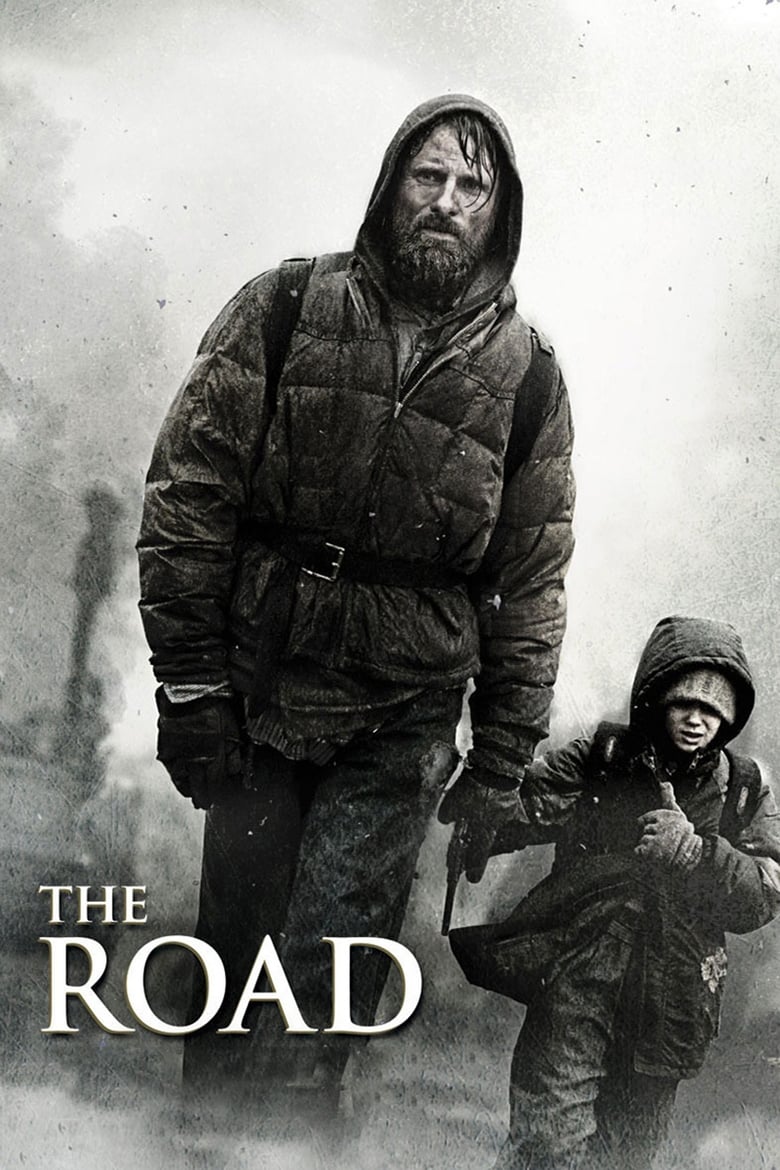
There are films that entertain you, and then there are films that practically reach through the screen and squeeze the joy right out of your chest. John Hillcoat's adaptation of Cormac McCarthy's The Road is firmly, unapologetically in the latter category. I don't mean that as a warning. I mean it as a recommendation, because sometimes the films that hurt the most are the ones that matter most.
Sitting through it felt like an endurance test akin to the sheer, unadulterated trauma of Come and See, the downward spiral of Requiem for a Dream, or the harrowing survival of The Pianist. It is a relentlessly bleak picture that offers absolutely zero comfort to its audience, yet I found myself completely mesmerised by its uncompromising vision of a world that has simply run out of tomorrows. I couldn't look away, even when every instinct told me to.
What truly sets this apart from the endless parade of unrealistic, action-packed apocalypse movies we get these days is its staggering authenticity. And I say that having a lot of time for that genre. I reviewed Mad Max: Fury Road and loved it for what it is, but that film is operatic fantasy. The Road is something else entirely. Hillcoat strips away all the glamorous, rebellious tropes and leaves us with the freezing, starving, muddy reality of what actually happens when society collapses. The ash falling like snow and the desperate, hollow-eyed scavenging for a single can of peaches feel so painfully grounded that you can practically smell the damp rot through the screen. It's a cracking achievement in atmospheric dread, making the end of the world feel less like a spectacle and more like a slow, agonising chore. That's not a criticism. That's exactly the point.
Anchoring this miserable, beautiful nightmare is Viggo Mortensen, who is simply fantastic in the lead role. He plays the unnamed Father with a quiet, desperate intensity, carrying the physical and emotional weight of keeping his son alive in a world devoid of hope. Fair play to him for refusing to Hollywood-ise the character. He looks genuinely starved, exhausted and broken, and there's no vanity anywhere in the performance. He is ably matched by Robert Duvall, who, as one of the all-time greats, delivers a brief but unforgettable turn as a wandering, dying old man. Duvall brings a weary, philosophical grace to the picture that cuts right through the gloom and lingers long after he's gone from the screen.
Wrapping it all together is a haunting, minimalist score that supports the film brilliantly, swelling only when necessary to underscore the profound isolation of the characters. It never oversells the emotion, which is the right call when the images are already doing so much heavy lifting.
I won't pretend this is an easy watch, because it absolutely isn't. It's a heavy, emotionally draining experience that will leave you staring blankly at the wall when the credits finally roll. I sat quietly for a good few minutes afterwards, just collecting myself. But that is precisely why it works so well. Hillcoat and his cast have crafted a profoundly moving, visually stunning and deeply authentic piece of work that respects both its source material and the intelligence of its viewers. McCarthy's novel is one of the great American books of the last few decades, and this is one of the more faithful and more courageous literary adaptations I've seen.
It's a brutal, heartbreaking triumph of survival that reminds us what it means to hold onto our humanity when everything else is gone. Not for every mood, not for every night. But absolutely essential viewing.
Four stars.
Rating: ★★★★ | Year: 2009 | Watched: 2026-07-23
Where to watch
Watch in the UK
Stream: Amazon Prime Video · MUBI · MUBI Amazon Channel · Icon Film Amazon Channel
Rent: Apple TV Store · Rakuten TV · Amazon Video · Sky Store
Buy: Apple TV Store · Rakuten TV · Amazon Video · Google Play Movies
Physical: Amazon UK · Zavvi
Watch in the US
Stream: Lionsgate+ Amazon Channel
Rent: Amazon Video · Apple TV Store · Google Play Movies · YouTube
Buy: Amazon Video · Apple TV Store · Google Play Movies · YouTube
Physical: Amazon US
Affiliate disclosure: Movies With Macca may earn a small commission on purchases or subscriptions started via these links. It costs you nothing extra.



