The Invisible Man (2020)

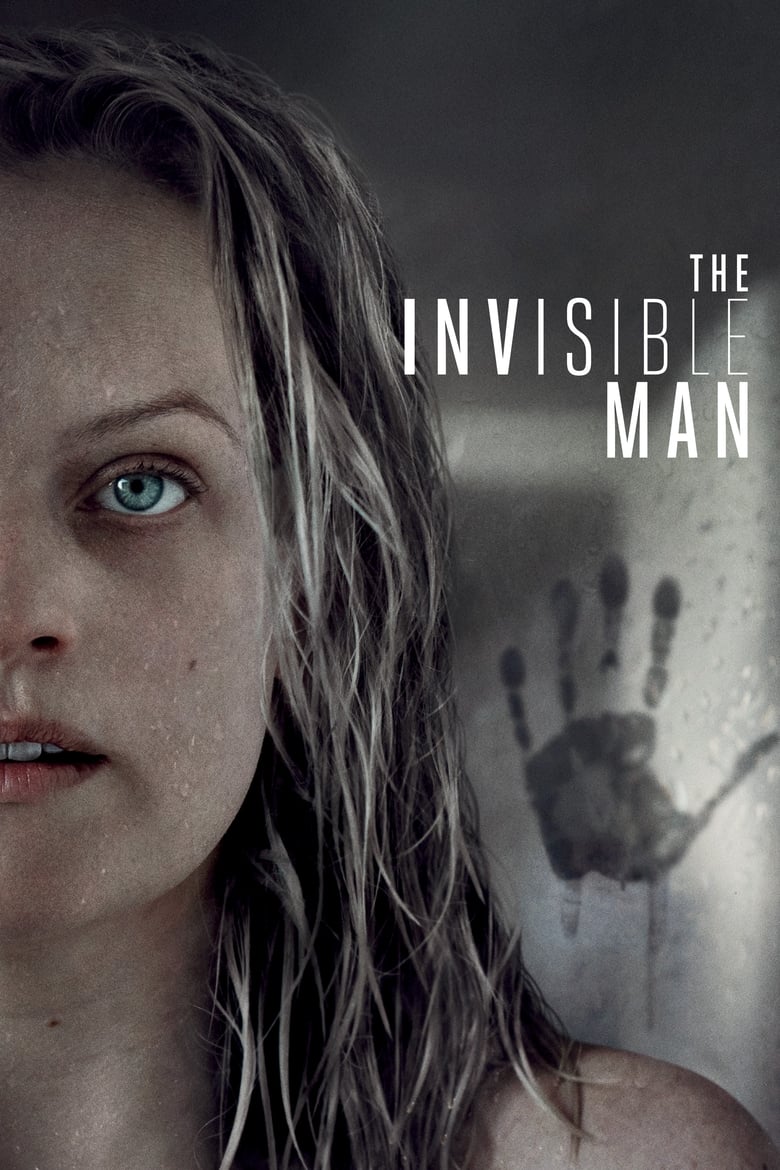
There is a specific, suffocating tension to the opening sequence of Leigh Whannell's 2020 reimagining of The Invisible Man that had me genuinely on the edge of my seat. Watching Cecilia, played by a brilliant Elisabeth Moss, execute a breathless, nail-biting escape from the sprawling, high-tech mansion of her eccentric, abusive inventor boyfriend is a cracking piece of filmmaking. It's a bold, visceral hook that immediately signals this is going to be something more than your standard horror reboot. A deeply unsettling psychological thriller, full of dread and paranoia, where the real monster isn't the one you can see. For those first twenty minutes, I was fully convinced I was in for a modern horror triumph.
Then the runtime stretched on, and I realised I was watching what I like to call a "nearly" film. One that comes agonisingly close to greatness but trips over its own ambition somewhere around the halfway mark.
When Whannell leans into the paranoid, gaslighting elements of the premise, the picture is genuinely strong. He does a brilliant job of weaponising empty space, forcing you to stare at the corners of the frame, waiting for something to move. That creeping sense that something is there, just out of sight, is where the film earns its keep. Moss carries the sheer terror of a woman who knows she's being hunted but can't prove it to anyone. It's a physically and emotionally exhausting performance, and she's absolutely phenomenal in it. Visually, the film is incredibly accomplished too, using sleek, cold cinematography to mirror the clinical cruelty of her tormentor, played by Oliver Jackson-Cohen, who is appropriately chilling throughout.
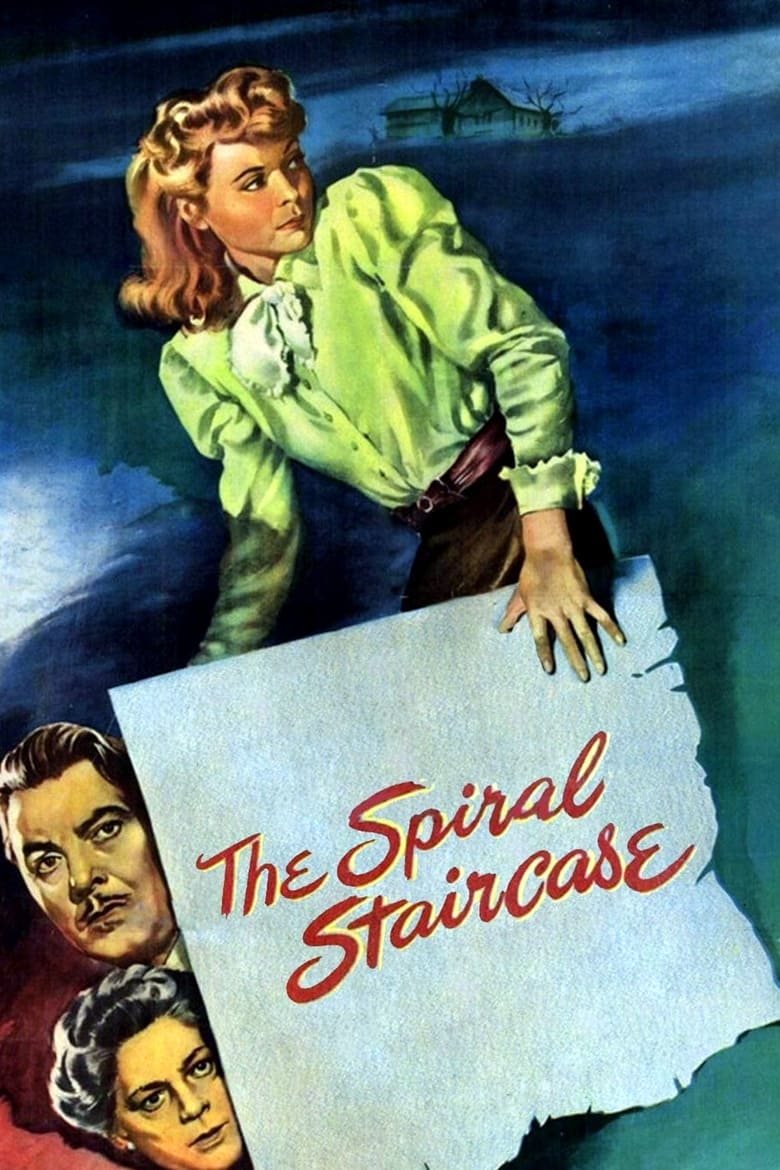
But the film completely loses its grip in the second half, primarily because it is just far too long. You could have easily slashed thirty minutes from the runtime and bypassed the narrative bloat that drags down the middle act entirely. My biggest gripe, though, is Whannell's decision to eventually lean into full "invisible suit" territory. It's a massive misstep. The original 1930s Invisible Man remains a far more accomplished film precisely because it kept its formula simple and relied on implication rather than showing the monster in a clunky rig. Even Paul Verhoeven's Hollow Man, despite its terribly aged effects, understood that the terror works best when the threat remains an unseen, psychological force rather than a bloke in a motion-capture get-up.
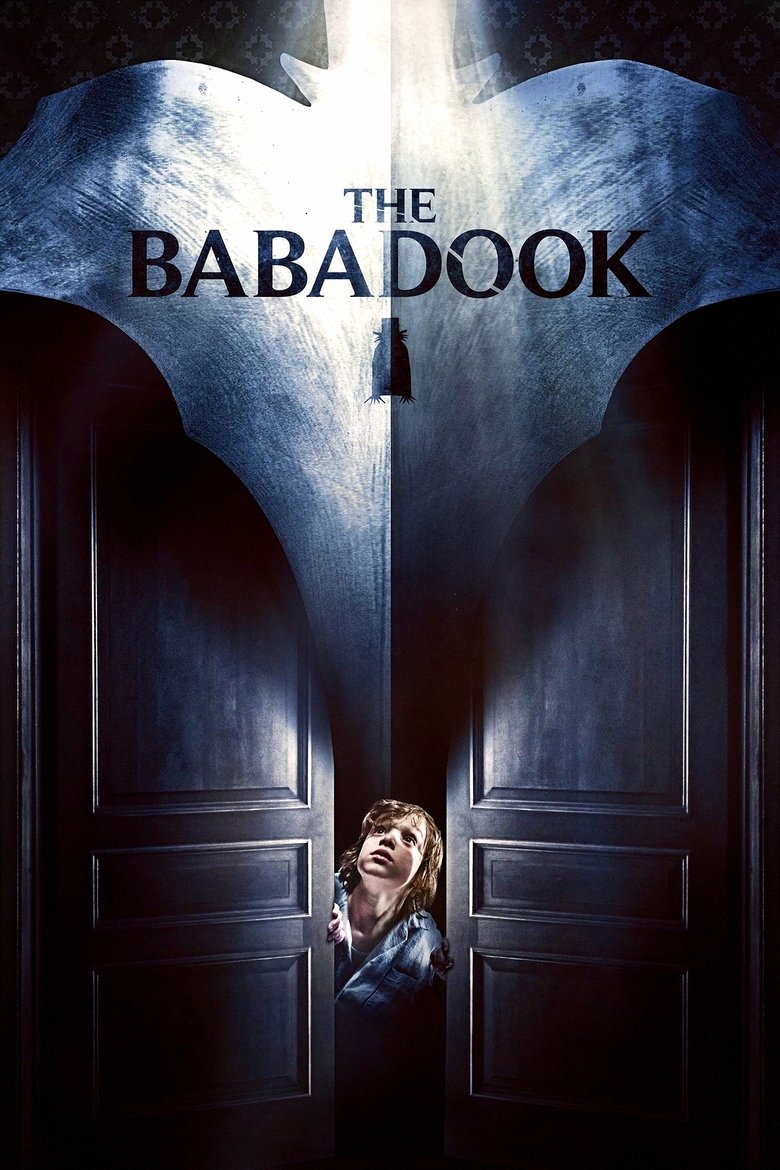
Once the film pivots from subtle psychological drama into full-blown action-horror, something is lost and it never quite gets it back. The narrative feels off-kilter in a way that's hard to ignore once you've noticed it. Whannell clearly has a brilliant eye for suspense, but he needed a sharper editorial scalpel to keep things tight. This is the kind of film that reminds me of Late Night with the Devil (2023), another horror that absolutely nails its setup and atmosphere before the mechanics of its own plot start to work against it.
Three stars.
It's a cracking effort that keeps you engaged, even when it's overstaying its welcome. Moss alone is worth your time, and the first half delivers the kind of sustained, skin-crawling dread that genre fans will love. I just wish Whannell had trusted the restraint he showed in those opening scenes and carried it all the way through. What could have been a genuinely great film settles, frustratingly, for being a pretty good one.
Rating: ★★★ | Year: 2020 | Watched: 2026-07-18
Where to watch
Watch in the UK
Rent: Apple TV Store · Rakuten TV · Amazon Video · Google Play Movies
Buy: Apple TV Store · Rakuten TV · Amazon Video · Google Play Movies
Physical: Amazon UK · Zavvi
Watch in the US
Rent: Amazon Video · Apple TV Store · Google Play Movies · YouTube
Buy: Amazon Video · Apple TV Store · Google Play Movies · YouTube
Physical: Amazon US
Affiliate disclosure: Movies With Macca may earn a small commission on purchases or subscriptions started via these links. It costs you nothing extra.