The Defiant Ones (1958)

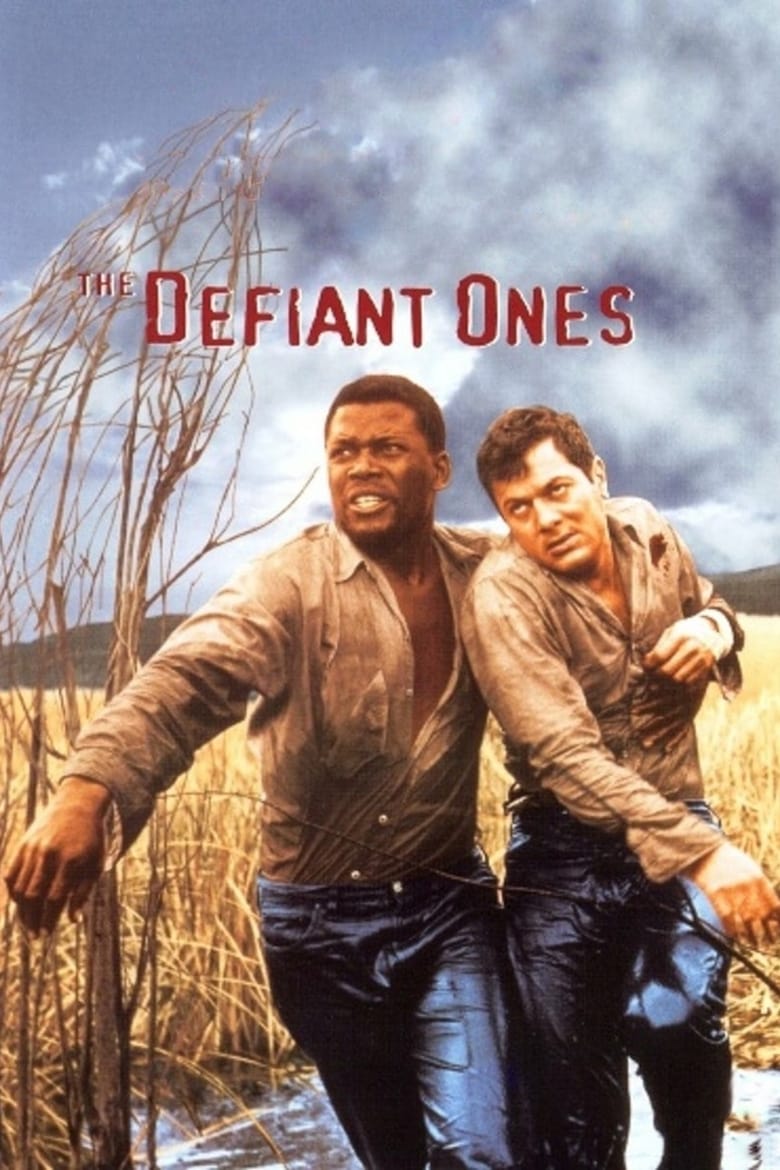
There is a premise at the heart of The Defiant Ones so brilliantly simple it almost feels like a provocation: two escaped convicts, one Black and one white, physically shackled together by a heavy iron chain. Stanley Kramer had the nerve to put that image on screen in 1958, long before the "buddy road movie" became a well-worn Hollywood trope, and what he produced is raw and unvarnished enough to still land like a punch.
The racial tension here isn't subtext. It is the glaring, beating heart of the whole picture. Filmed before the civil rights movement truly kicked into gear, the film drops these two men who initially despise each other into a desperate, shared struggle for survival. There is no getting away from each other. There is no opting out. The chain makes sure of that, and Kramer never lets you forget it.
What makes it so compelling is how it functions as a double character study. The writing is fantastic, stripping away easy moralising to let the raw, ugly realities of prejudice bubble to the surface without ever feeling like a lecture you've been dragged along to. Sidney Poitier is absolutely remarkable here, bringing a profound, quiet dignity and a simmering frustration to his role that completely anchors the film. He is matched stride for stride by Tony Curtis, whose scrappy, defensive performance creates a friction that is both exhausting and utterly believable. You genuinely feel the physical and emotional toll of that chain dragging between them as they stumble through swamps and backroads, bickering, bleeding and slowly, reluctantly depending on one another.
The film is clever in how it uses the world beyond the two of them. Every encounter with locals becomes a high-stakes test: will basic humanity win out, or will deep-seated bigotry do what it always does? These sequences are tense precisely because the film refuses to offer easy answers or sudden, convenient changes of heart. The hostility they face feels palpable and real, which makes their gradual, grudging reliance on each other feel entirely earned rather than manufactured for effect.
I have a lot of time for films that do this kind of thing without blinking. The kind that trust the audience to sit with discomfort rather than reaching for the nearest reassuring platitude. In that sense, this sits comfortably alongside other social dramas of the period that were genuinely trying to say something rather than just appearing to. The moral questions here aren't resolved cheaply, and the film is all the stronger for it.
Fair play to Kramer for balancing the brutal physical demands of the escape with a poignant, evolving human connection. The finale is wonderfully emotive, and it delivers a payoff that feels genuinely earned rather than imposed. It honours the journey both men have been through, and it stays with you after the credits roll in the way that only the best films do.
Four stars. A taut, deeply affecting picture that transcends its era without losing its grip on it. If you haven't seen it, put it on.
Rating: ★★★★ | Year: 1958 | Watched: 2026-08-10
Where to watch
Watch in the UK
Rent: Apple TV Store · Amazon Video · Sky Store
Buy: Apple TV Store · Amazon Video · Sky Store
Physical: Amazon UK · Zavvi
Watch in the US
Stream: fuboTV · MGM+ Amazon Channel · Philo · MGM Plus Roku Premium Channel
Rent: Apple TV Store · Fandango At Home
Buy: Apple TV Store · Fandango At Home
Physical: Amazon US
Affiliate disclosure: Movies With Macca may earn a small commission on purchases or subscriptions started via these links. It costs you nothing extra.