The Bird with the Crystal Plumage (1970)

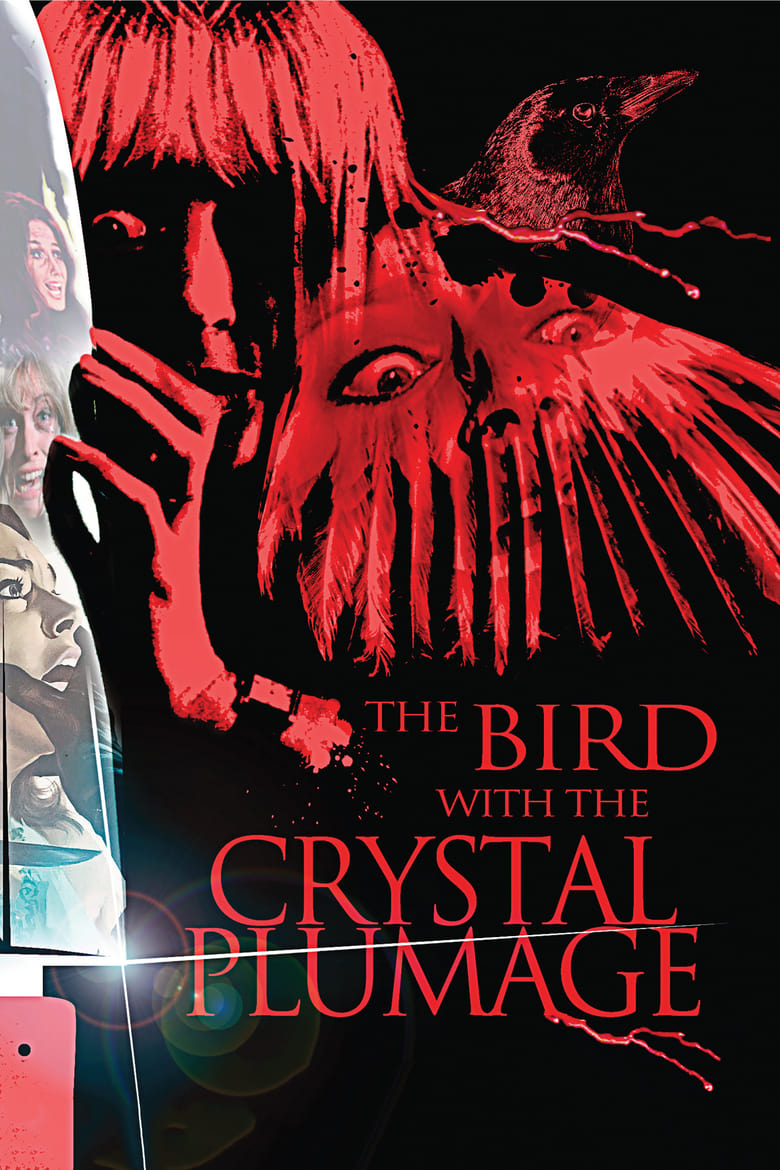
Sometimes you don't need much of an excuse to queue something up. I came to Dario Argento's 1970 directorial debut for two reasons: Argento himself, and Ennio Morricone. And honestly, Morricone was the more pressing of the two. I genuinely consider him the finest composer in cinema history, and the prospect of hearing his brilliance applied to a lurid, blood-soaked Giallo was simply too much to resist.
Fair play to him, the music is undeniably one of the highlights of the picture. From the haunting, lullaby-like vocals to the jarring, avant-garde stings, the score does a massive amount of heavy lifting, turning standard suspense into something deeply, beautifully unsettling. Strip Morricone out of this film and you lose a huge chunk of what makes it work. He doesn't just underscore the tension, he creates it, holds it together, and occasionally manufactures dread where the script alone couldn't quite manage it.
Visually, the film is a cracking achievement, especially for a first-time director. The cinematography is wonderful, and Argento's trademark use of bold, primary colours is already fully formed here, bathing the Roman streets and art galleries in a gorgeous, stylised glow. The premise follows an American writer, played with a suitably sweaty, paranoid energy by Tony Musante, who witnesses a brutal attack on a woman in an art gallery and finds himself pulled deeper and deeper into the investigation. It plays out very much like a classic Hitchcock murder mystery, but filtered through a distinctly Italian, hyper-stylised lens that prioritises mood and aesthetic over strict realism. The killer's black-gloved POV shots are brilliantly executed, and the set pieces have a lurid, almost operatic quality that feels completely distinctive.
That said, it isn't quite a flawless ride, and I'd be doing you a disservice if I pretended otherwise. The investigative legwork in the second act can feel a little slow. There are stretches where Musante is just wandering around Rome, interviewing eccentric suspects and bumping up against a rather useless police force, and the momentum grinds to a halt. It's not a narrative dead zone exactly, but the pacing gets a bit of a mess just when you want the tension ratcheting upward. And then there's the dubbing. Pretty terrible in places, and it chips away at the atmosphere at the worst possible moments, pulling you out of a scene right when Argento has worked hard to draw you in.
These are real stumbles, not just minor quibbles, and they're worth naming. But they don't sink the thing. What Argento achieves here, on his first feature, is genuinely impressive. He arrived with a fully formed visual language and the good sense to surround himself with the best collaborators available. Pairing that instinctive eye for composition and colour with Morricone's iconic score was a stroke of absolute genius, and the result is a film that earns its reputation as one of the founding texts of the Giallo genre.
It's a decent, highly watchable thriller with ambitions beyond its genre trappings and one of the great film scores keeping it company throughout. If you can make peace with the pacing dip and the dubbing, there's a lot here to savour.
Three and a half stars.
Rating: ★★★½ | Year: 1970 | Watched: 2026-07-28
Where to watch
Watch in the UK
Stream: Arrow Video Amazon Channel · Shudder Amazon Channel · ARROW
Rent: Apple TV Store · Amazon Video · Google Play Movies · YouTube
Buy: Apple TV Store · Amazon Video · Google Play Movies · YouTube
Physical: Amazon UK · Zavvi
Watch in the US
Stream: Amazon Prime Video · Philo · Fandor Amazon Channel · Screambox Amazon Channel
Rent: Amazon Video · Fandango At Home · FlixFling · Bloodstream
Buy: Amazon Video · Fandango At Home · FlixFling
Physical: Amazon US
Affiliate disclosure: Movies With Macca may earn a small commission on purchases or subscriptions started via these links. It costs you nothing extra.