The Assassination of Jesse James by the Coward Robert Ford (2007)

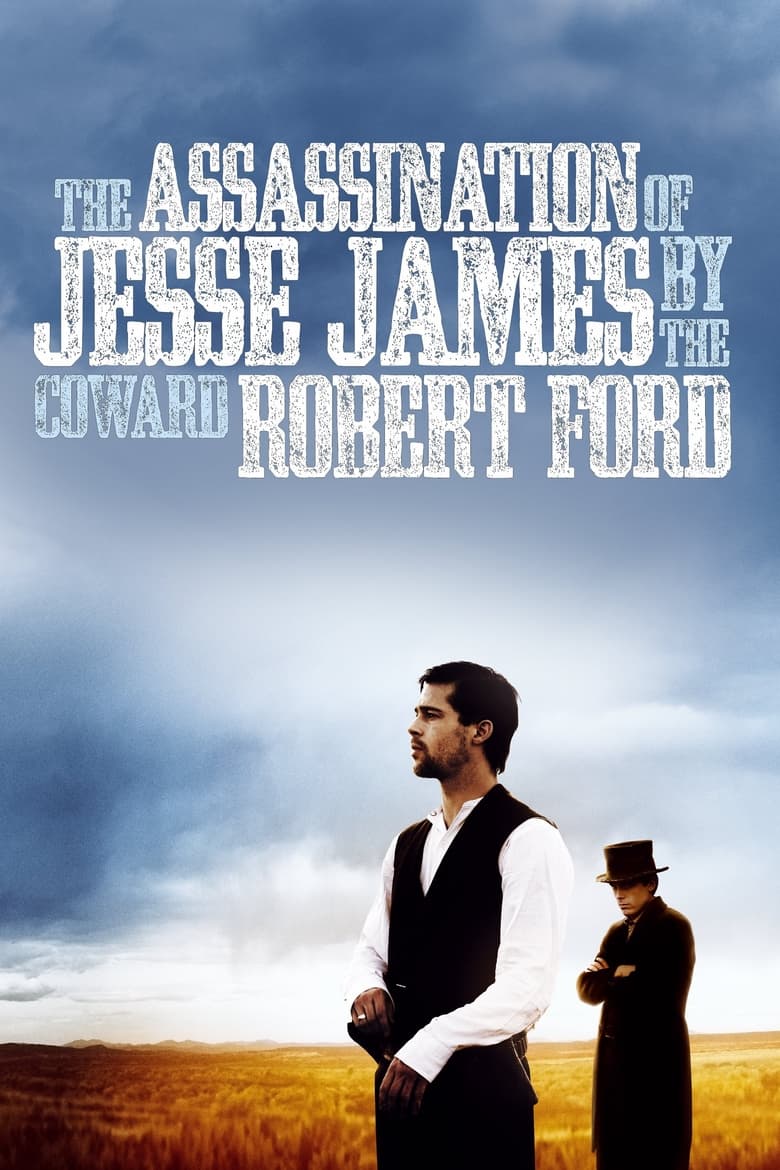
There is a specific, haunting beauty to the way Roger Deakins shoots a train robbery in the dead of winter. Lantern light catching frozen breath, the world rendered in blues and greys and that particular silence that only deep snow can create. That single sequence tells you everything you need to know about what Andrew Dominik is going for here, and for a long stretch of this picture, he absolutely nails it.
From the very first frame, you are enveloped in a breathtaking, melancholic atmosphere that feels genuinely unlike anything else in the western genre. The soundtrack seems to seep right out of the floorboards, working in quiet conspiracy with the visuals to establish a mood of inescapable dread. Dominik has crafted a picture that looks and sounds like a moving, nineteenth-century daguerreotype, and the technical craft on display is, frankly, extraordinary. Before a single line of dialogue is even spoken, you already sense that none of this is going to end well for anyone.
When the narrative gets moving, the psychological cat-and-mouse dynamic at the heart of the story is utterly captivating. Brad Pitt is fascinating to watch as the titular outlaw, leaning into the mythic, almost ghostly persona that Jesse James cultivated during his final days. He carries the weight of a man who has become so consumed by his own legend that he can barely locate himself inside it anymore. But it is Casey Affleck who truly anchors the film. His Robert Ford is deeply unnerving, weasel-like, a man whose slavish hero worship curdles into something far darker and more dangerous the closer he gets to the object of his obsession. Affleck plays the whole thing in this unsettling, soft-spoken register that gets right under your skin. The toxic, co-dependent relationship between these two men is the beating heart of the picture, and the character study is remarkably sharp, peeling back the layers of American folklore to reveal a deeply pathetic, paranoid reality underneath. There is a brilliant supporting turn in there too, warm and grounded, that gives the film a brief, welcome breath of ordinary human feeling.
I have always been drawn to films that treat their morally complicated protagonists with genuine seriousness rather than tidy judgement. It is part of what I loved about Chopper, that unflinching willingness to sit inside a deeply troubling psyche and simply observe. Dominik does something similar here, refusing to romanticise James even as the film acknowledges why the myth took hold. The America being sketched out is one built on stories people tell about violence, and the ugly gap between those stories and the grubby truth.
But I have to be honest about the film's glaring structural problem, which is its punishing runtime and agonisingly slow pacing. Clocking in at nearly three hours, the picture frequently forgets that a slow burn should not actually freeze the audience in their seats. There are stretches in the middle act where the camera lingers just a little too long on a shadowy corridor or a quiet, mundane conversation, and your patience is tested to its absolute limit. I appreciate the deliberate, methodical approach Dominik was going for, and I understand that the glacial rhythm is entirely intentional. But intention and execution are different things, and the sheer length of this picture occasionally tips over from atmospheric immersion into outright tedium. A tighter cut would not have diminished the mood. It would have sharpened it.
So this is a picture of magnificent highs and frustrating lulls. The stellar performances and the unparalleled technical craft make it a deeply rewarding experience for those willing to surrender to its pace. The bloated runtime and meandering middle act do real damage, though, and they are what prevent this from being the flawless, untouchable classic it so clearly wants to be. It remains beautifully flawed and deeply compelling, which is still quite something.
Three and a half stars.
Rating: ★★★½ | Year: 2007 | Watched: 2026-08-11
Where to watch
Watch in the UK
Rent: Apple TV Store · Rakuten TV · Amazon Video · Google Play Movies
Buy: Apple TV Store · Rakuten TV · Amazon Video · Google Play Movies
Physical: Amazon UK · Zavvi
Watch in the US
Stream: Howdy Amazon Channel
Rent: Amazon Video · Apple TV Store · Google Play Movies · YouTube
Buy: Amazon Video · Apple TV Store · Google Play Movies · YouTube
Physical: Amazon US
Affiliate disclosure: Movies With Macca may earn a small commission on purchases or subscriptions started via these links. It costs you nothing extra.