Snoopy, Come Home (1972)


Released in the summer of 1972, Snoopy, Come Home arrived as the second theatrical feature spun out of Charles M. Schulz's beloved Peanuts comic strip, following three years after the franchise's big-screen debut. By this point, Schulz's characters had already conquered television, newspaper pages, and merchandising on a scale that few comic properties had managed, and the films represented an attempt to translate that quiet, suburban warmth into something with genuine cinematic ambition. Where the strip had always found its power in restraint, in the pause before the punchline, in the small sadnesses that accumulate around Charlie Brown like autumn leaves, the feature format asked the creative team to stretch those moments across eighty minutes without losing what made them feel honest in the first place. It is, when you think about it, a trickier brief than it sounds.
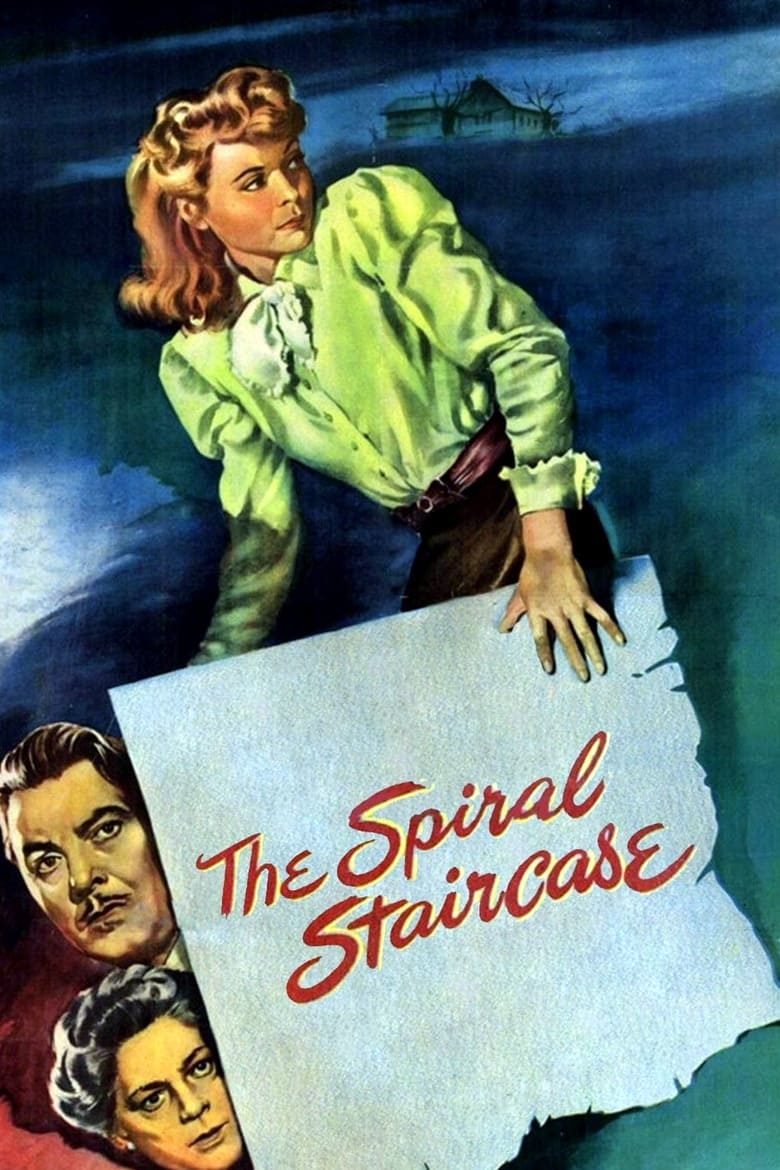
The film was written directly by Schulz himself, which meant there was no intermediary filtering or diluting his sensibility, and directed once again by Bill Melendez, the animator who had been the custodian of the Peanuts visual identity since the mid-1960s specials. Melendez, who also provides Snoopy's characteristic sounds and vocalisations in the film (a role he performed across decades of Peanuts productions), had developed a house style that was deliberately rough around the edges: loose, expressive line work, characters that wobble slightly as they move, backgrounds that feel sketched rather than rendered. It was a conscious aesthetic choice that kept the films feeling handmade rather than slick, and it gave the Peanuts world a texture that polished, studio-system animation of the era often lacked. The production emerged from a cluster of smaller outfits, including Lee Mendelson Film Productions and Bill Melendez Productions alongside Schulz's own Charles M. Schulz Creative Associates, rather than from a major Hollywood animation department, and that independence shows in the film's unhurried pace and its willingness to sit with sadness rather than rush past it. For a companion piece on early 1970s American cinema that similarly operates outside the studio comfort zone, see also Deliverance, which came out the same year and represents a very different kind of filmmaking freedom.
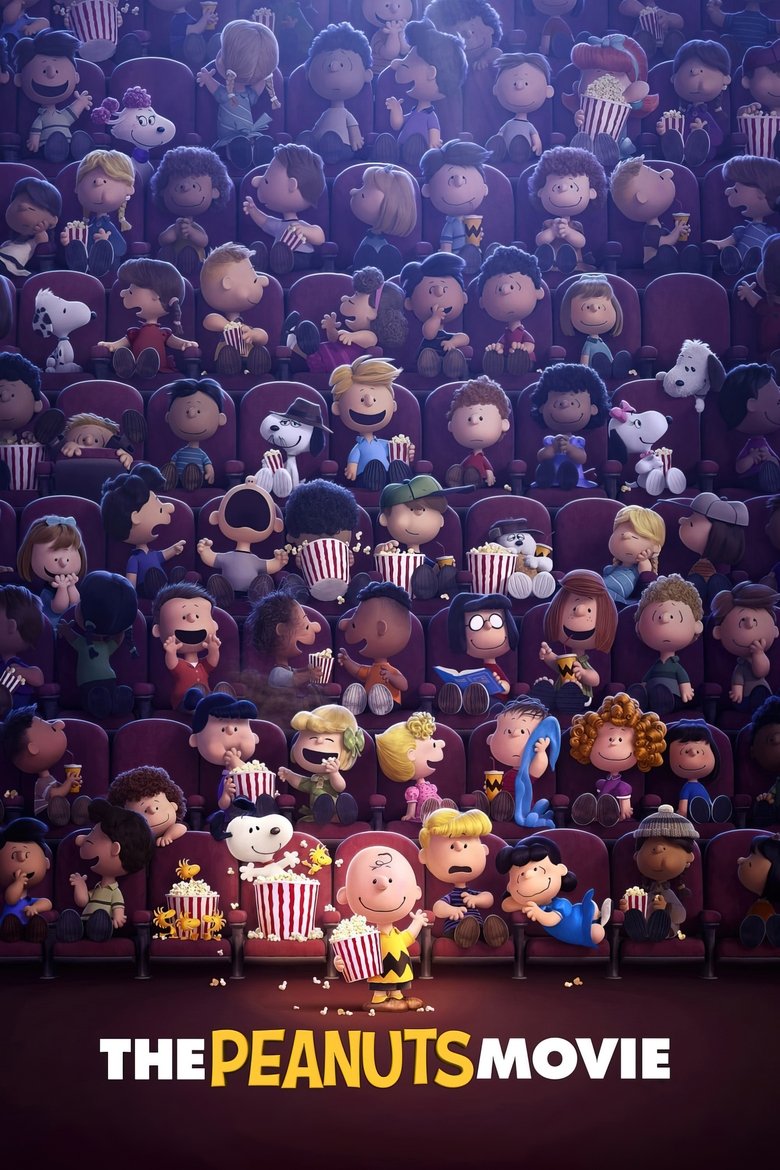
The vocal cast is drawn almost entirely from child performers, as was standard practice for Peanuts productions, with Chad Webber as Charlie Brown and Robin Kohn as Lucy among those carrying the emotional weight. Stephen Shea voices Linus, and David Carey rounds out the principal ensemble. The choice to cast actual children rather than adult impressionists was one Melendez and Mendelson had established early in the television specials, and it gave the films an unpractised quality that suited the material. These are not polished child performances in the Hollywood mould; they are slightly hesitant, slightly flat in places, and somehow more believable for it. The score was composed by George Bruns and Don Ralke, and it takes a markedly different approach from what audiences familiar with the television specials might expect, leaning towards original songs with a showtune sensibility rather than the cool, understated jazz that had become so closely associated with the franchise. The editing, handled by Chuck McCann and Robert Gillis, keeps the film moving at an easy rhythm that suits its episodic structure, never pushing the pace beyond what the gentle story can sustain. I also reviewed the first Peanuts feature, A Boy Named Charlie Brown, which provides useful context for how the series began and what musical mood it established. For another animated film that uses its soundtrack as a genuine emotional argument, my thoughts on Beauty and the Beast are worth a look as a point of comparison.
Snoopy, Come Home is a gentle, nicely old-fashioned bit of Peanuts, and the strangest thing about it, for me, was what it does not sound like.
This is the second of the Peanuts features, again from Bill Melendez, and where the first one I saw, A Boy Named Charlie Brown, was steeped in that cool Vince Guaraldi jazz that is half the soul of these characters, this one leans on brighter, showtune-style songs instead. It is a small thing, but it threw me somewhat; the music is a big part of why Peanuts feels like Peanuts, and without much of it the film sits at a slightly odd angle.
Otherwise it is a decent, sweet-natured watch. The old-school animation has that same scratchy, hand-made charm, and the story, in which Snoopy heads off to visit a poorly old friend and leaves a heartbroken Charlie Brown behind, carries the gentle melancholy the strip always did so well.
It is slight, and short of some of its predecessor's music, but it is good company for an hour or so. Three and a half stars, a warm, minor Peanuts outing that only wobbles when you notice the jazz has gone missing.
Snoopy, Come Home is a film that rewards a certain kind of patience, the willingness to accept small pleasures rather than hold out for large ones. It occupies an interesting, slightly awkward position in the Peanuts canon, sincere and well-crafted but operating at a slight remove from the sound world that made the property feel so distinctly itself. Fans of the strip and the earlier specials will find enough here to make the eighty minutes worthwhile, and younger audiences who come to it without preconceptions may find its gentle melancholy lands more cleanly than they expect. It is the kind of family film that does not mistake noise for energy or sentiment for depth. Whether it fully succeeds is another question, but it asks the right ones. Sometimes that is enough, and sometimes you just miss the piano.
Rating: ★★★½ | Year: 1972 | Watched: 2026-09-23
Trailer
▶ Watch the official trailer for Snoopy, Come Home (1972) on YouTube
Where to watch
Watch in the UK
Rent: Apple TV Store · Amazon Video
Buy: Apple TV Store · Amazon Video
Physical: Amazon UK · Zavvi
Watch in the US
Rent: Amazon Video · Apple TV Store · Google Play Movies · YouTube
Buy: Amazon Video · Apple TV Store · Google Play Movies · YouTube
Physical: Amazon US
Affiliate disclosure: Movies With Macca may earn a small commission on purchases or subscriptions started via these links. It costs you nothing extra.