
A Boy Named Charlie Brown (1969)

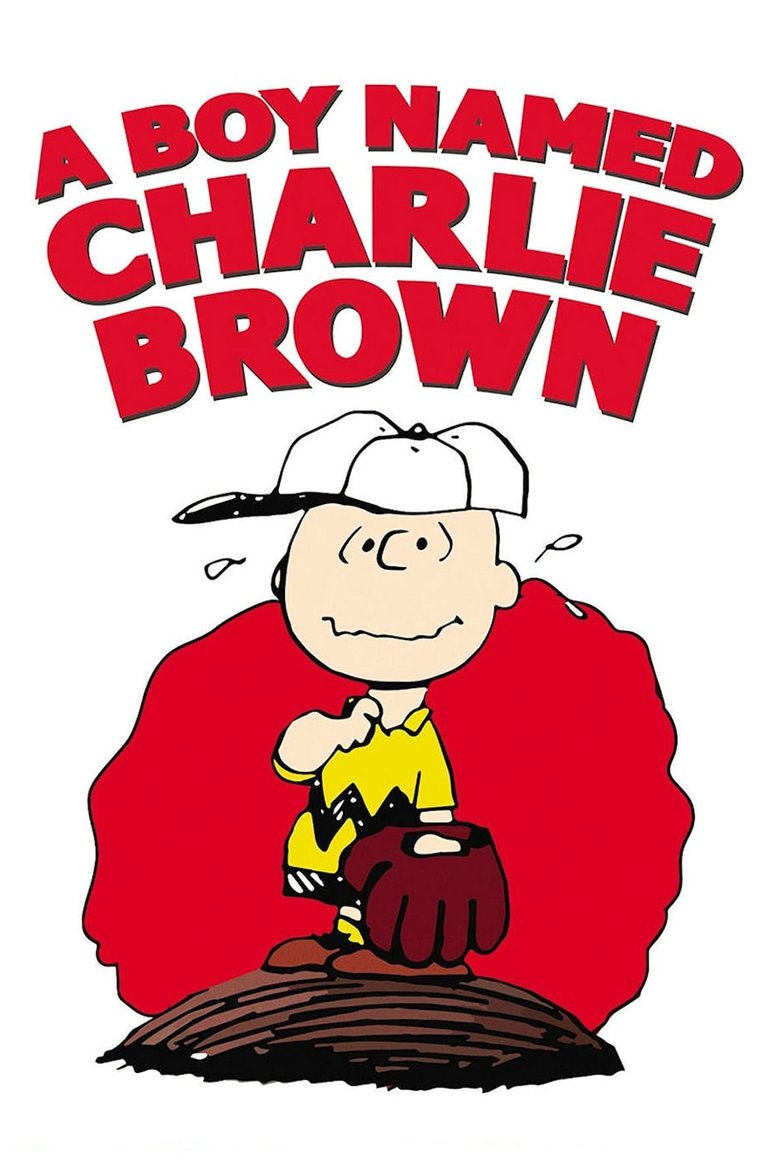
There's something almost rebellious about how unashamed A Boy Named Charlie Brown is of its own age. Press play and within seconds you're confronted with scratchy lines, flat colours, and character movements that creak along with a kind of charming stiffness. This is nearly sixty years of wear and tear, right there on the screen, and the film doesn't blink. Far from being a weakness, though, I found that technical limitation to be exactly where the magic lives. It feels less like watching an old film and more like carefully unfolding a slightly worn storybook you haven't touched since childhood. There's a warmth in that imperfection that no amount of modern polish could replicate.
Bill Melendez made a brave call with this one. Rather than stretching the Peanuts gang into a high-concept adventure or loading the runtime with gags, he built the whole picture around something quietly devastating: a small, anxious boy trying his absolute best and still falling short. Charlie Brown's journey through the national spelling bee is the kind of story that could easily tip into cruelty, but Melendez handles it with a steady, gentle hand. The crushing inevitability of what happens doesn't feel mean. It feels honest, in the way that the best children's storytelling always does.
It reminded me, genuinely, of the early days of Sesame Street. Not in format, but in spirit. That same conviction that kids can handle disappointment, that they don't need every story wrapped up with a tidy bow, that growing up involves sitting with failure for a bit before you find your feet again. It's a philosophy that's rarer than it should be, and the film wears it without any fuss or fanfare. The message about trying your best and not dwelling on your shortcomings is never spelled out in a lecture. It just lives in the story.
Don't go in expecting laughs, because this isn't that kind of film. The humour is bone dry, running on deadpan melancholy rather than anything approaching slapstick. Peter Robbins as Charlie Brown is the heart of it all, anchoring the whole thing with a wonderfully sighing, grounded delivery that makes you root for the kid even when, perhaps especially when, you can already see how things are going to go. The voice work across the board fits the material perfectly. These characters exist on their own gentle, unhurried wavelength, and the film never rushes them off it.
I've got a soft spot for animation that commits to a specific emotional register rather than hedging its bets, and this does exactly that. Where something like A Goofy Movie leans into warmth through comedy and big set pieces, A Boy Named Charlie Brown earns its emotional weight through restraint. Quietness, even. It wraps you up in a familiar atmosphere of childhood anxiety and small, hard-won moments of grace without ever raising its voice to do it.
There are stretches where it drifts, and viewers who want a sharper narrative engine will probably find it a bit formless. I'd be lying if I said the pacing was perfect. But I think that looseness is part of the point. This is a film you settle into rather than follow, and once you let go of the expectation that something is about to happen, it becomes deeply comforting company. It's the kind of animation that makes you feel briefly, pleasantly eight years old again.
And honestly, given everything, that's no small achievement. Three and a half stars.
Rating: ★★★½ | Year: 1969 | Watched: 2026-07-23
Where to watch
Watch in the UK
Stream: Paramount+ Amazon Channel
Rent: Apple TV Store · Amazon Video
Buy: Apple TV Store · Amazon Video
Physical: Amazon UK · Zavvi
Watch in the US
Rent: Amazon Video · Apple TV Store · Google Play Movies · YouTube
Buy: Amazon Video · Apple TV Store · Google Play Movies · YouTube
Physical: Amazon US
Affiliate disclosure: Movies With Macca may earn a small commission on purchases or subscriptions started via these links. It costs you nothing extra.



