Salaryman (2021)

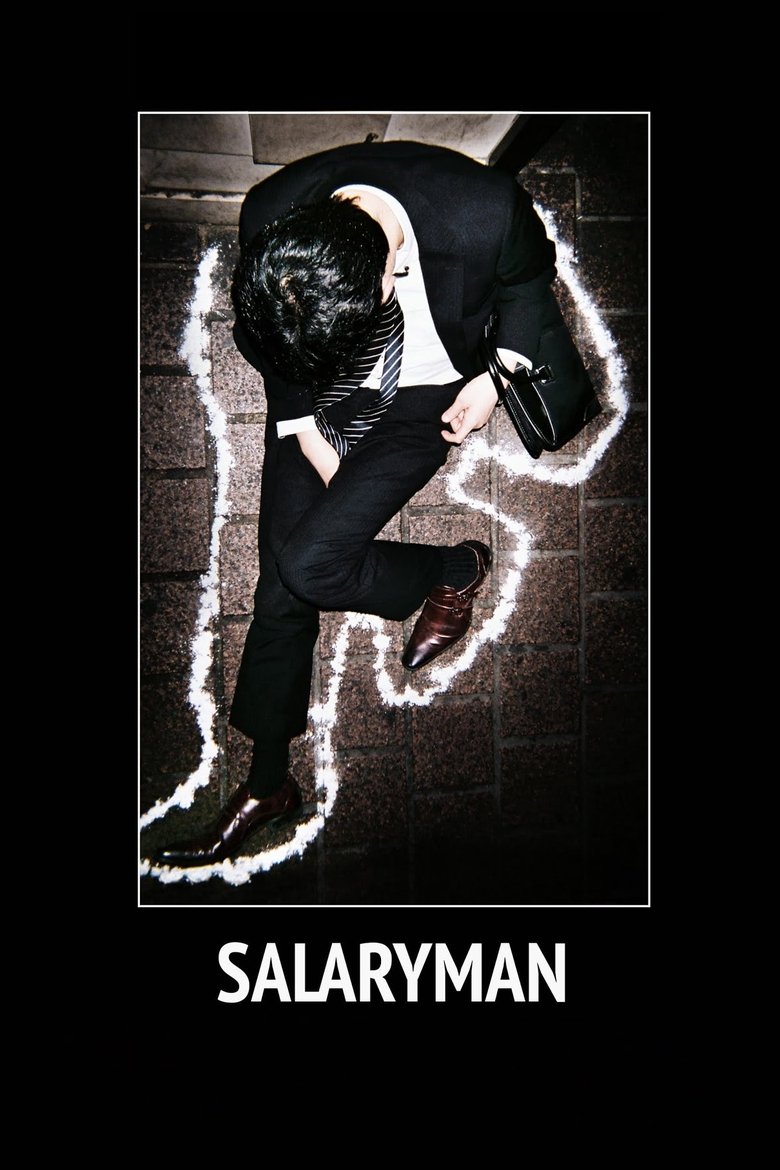
There's a moment in Salaryman that stopped me cold, and not in a good way. The director, Allegra Pacheco, finds men in suits completely unconscious on the pavement, felled by sheer exhaustion after brutal shifts that blur into nights that blur into days. And rather than let that devastating image speak for itself, she crouches down and draws chalk outlines around their sleeping bodies like they're crime scenes, then snaps photographs of them. These are real people, at their most vulnerable, and the camera lingers. I sat there genuinely uncomfortable, asking myself: does this documentary know it's crossed a line?
Which is a real shame, because the subject matter is extraordinary. Japan's salaryman culture, the almost pathological expectation that you give everything to your employer and then find a bit more to give on top of that, is the kind of story that demands to be told. The pressure is not metaphorical. It has driven people to end their own lives. It warps relationships, hollows people out, and gets quietly normalised across generations. That's a heavy, vital topic, and on paper this film felt absolutely right up my street. I've always had a deep fascination with Japanese culture, and I went in genuinely excited. I'd loved The Boy and the Heron for the way it handled the particular weight of Japanese grief and identity, and I was hoping for something with similar emotional honesty here.
When Salaryman lets its subjects actually speak, it earns its place. The interview segments are where the film really comes alive. Hearing individuals talk openly about the psychological toll of this lifestyle, the sleeplessness, the shame, the creeping sense that your worth is entirely measured by your output, is genuinely sobering. This is the documentary format doing what it does best: giving a platform to voices that rarely get heard outside their immediate world, and making you feel the human cost behind the statistics. These sequences are raw and unvarnished and they hit hard.
But I keep coming back to those chalk outlines. It's not a small thing. It's a directorial choice that sits right at the intersection of art and ethics, and I think Pacheco makes the wrong call. There's something almost predatory about framing exhausted, defenceless people as visual props for your striking image. These men didn't consent to being turned into an installation piece. The moment is clearly intended to be provocative and thought-provoking, a visual metaphor for how this culture treats its workers as disposable. I understand the instinct. But the execution asks these specific individuals to pay the price for that metaphor without their knowledge, and that's a line I couldn't look past.
It colours everything that follows. Once you've clocked that ethical wobble, you start watching Pacheco's choices with a more suspicious eye, wondering what else prioritises impact over integrity. That's a genuinely corrosive thing to happen to a documentary that otherwise has so much going for it. Pacheco had the access, the subject and the emotional raw material to make something definitive. Instead she made something good but compromised, a film you'd recommend with a significant caveat attached.
Salaryman is still watchable. More than watchable, in stretches. The crisis it documents is real and urgent and deserves the attention. But it leaves a bad taste, and that taste doesn't quite fade by the time the credits roll. Two and a half stars.
Rating: ★★½ | Year: 2021 | Watched: 2026-07-13
Where to watch
Watch in the UK
Stream: Amazon Prime Video · Amazon Prime Video with Ads
Rent: Apple TV Store · Amazon Video · Google Play Movies · YouTube
Buy: Apple TV Store · Amazon Video · Google Play Movies · YouTube
Physical: Amazon UK · Zavvi
Watch in the US
Rent: Amazon Video · Apple TV Store · Google Play Movies · YouTube
Buy: Amazon Video · Apple TV Store · Google Play Movies · YouTube
Physical: Amazon US
Affiliate disclosure: Movies With Macca may earn a small commission on purchases or subscriptions started via these links. It costs you nothing extra.