RoboCop 3 (1993)

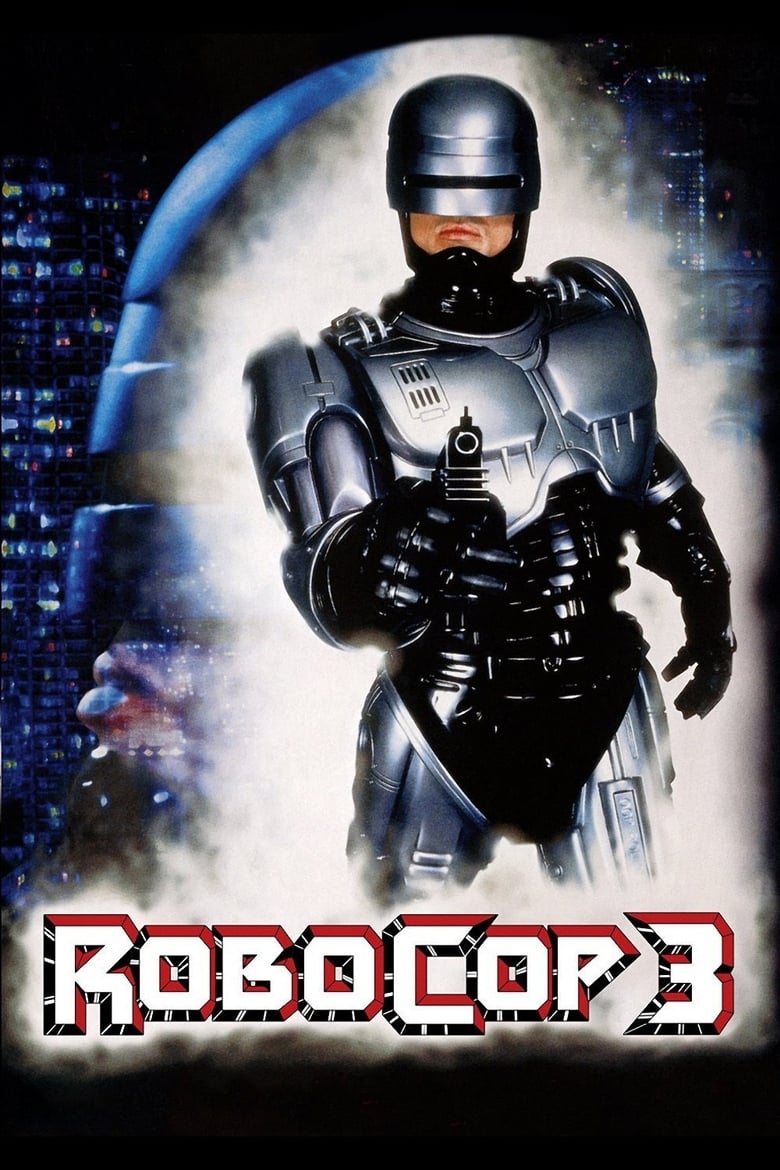
There is a very specific point where a beloved sci-fi franchise stops being a sharp, satirical triumph and simply devolves into a corporate cash grab. RoboCop 3 is that exact point, and I say that as someone who genuinely loves the original and has a soft spot for the scrappier, messier second film. This third outing, directed by Fred Dekker, is without a shadow of a doubt the weakest link in the trilogy, and it isn't especially close.
The most glaring absence hits you right from the opening credits: Peter Weller. He wisely decided not to reprise his iconic role as the titular cyborg, and you feel that loss in every single scene. Weller brought something genuinely strange and special to that suit, a kind of uniquely physical, deadpan stillness that made RoboCop feel like a tragic figure rather than just a walking plot device. Without him anchoring the whole thing, the enterprise immediately feels hollow. His replacement is perfectly competent, but competent isn't enough when you're stepping into shoes that defined a franchise.
What truly grates, though, is how aggressively silly the film decides to be. The biting, subversive corporate satire of Paul Verhoeven's original has been entirely swapped out for a sanitised, playground adventure. The rating was dropped to a PG-13, and you feel that neutering in every exchange, every action beat, every watered-down moment of threat. The original RoboCop was genuinely violent and genuinely angry, a film that used ultraviolence to skewer Reaganite capitalism. This one feels like it was designed to sell lunchboxes.
And then there's the hacker girl subplot. I found myself staring at the screen in genuine bewilderment as this child casually outsmarts a multi-billion-dollar mega-corporation, for reasons the script never once bothers to justify. It completely shatters any remaining suspension of disbelief, turning what should be a dystopian thriller into a patronising, nonsensical romp. It reminded me, in the worst possible way, of the kind of franchise decay I felt watching Men in Black II, that creeping sense that nobody making the film actually understood why people loved the original in the first place.
It isn't an entirely worthless watch, and I'll be honest about that. The soundtrack retains that classic, pulsing energy that defined the series, and there are a handful of genuinely fun action sequences, particularly when the heavy ordnance starts flying in the final act. Some of the practical effects work still holds up, and if you squint hard enough, you can occasionally glimpse the bones of something more interesting buried beneath the mess.
But those fleeting moments of mechanical mayhem cannot save a narrative that repeatedly trips over its own shoelaces. The script casually discards the established rules of the RoboCop universe whenever they become inconvenient, bending its own internal logic to force the plot toward the next explosive set piece. Where the original felt like a film that had something to say about corporations, identity and what it means to be human, this one just wants to get to the next bit where something blows up.
The comparison that keeps nagging at me is Total Recall, another Verhoeven-adjacent sci-fi property rooted in that same late-eighties excess and satirical bite. The difference is that Total Recall never betrayed its own intelligence. RoboCop 3 does, gleefully, and then expects you to applaud it for doing so.
This feels like a cynical, creatively bankrupt exercise that fundamentally misunderstands what made the original so special. It trades subversive intelligence for cheap, family-friendly spectacle and ends up being neither a satisfying action film nor a meaningful continuation of the story. For my money, this was the definitive death knell of the franchise, a misfire dressed up in a battered chrome suit.
Two stars.
Rating: ★★ | Year: 1993 | Watched: 2026-08-07
Where to watch
Watch in the UK
Stream: MGM Plus Amazon Channel
Rent: Apple TV Store · Amazon Video · Sky Store
Buy: Apple TV Store · Amazon Video · Google Play Movies · Sky Store
Physical: Amazon UK · Zavvi
Watch in the US
Stream: Amazon Prime Video · MGM Plus Roku Premium Channel · MGM Plus · Amazon Prime Video with Ads
Rent: Amazon Video · Apple TV Store · Google Play Movies · YouTube
Buy: Amazon Video · Apple TV Store · Google Play Movies · YouTube
Physical: Amazon US
Affiliate disclosure: Movies With Macca may earn a small commission on purchases or subscriptions started via these links. It costs you nothing extra.