Point Break (1991)

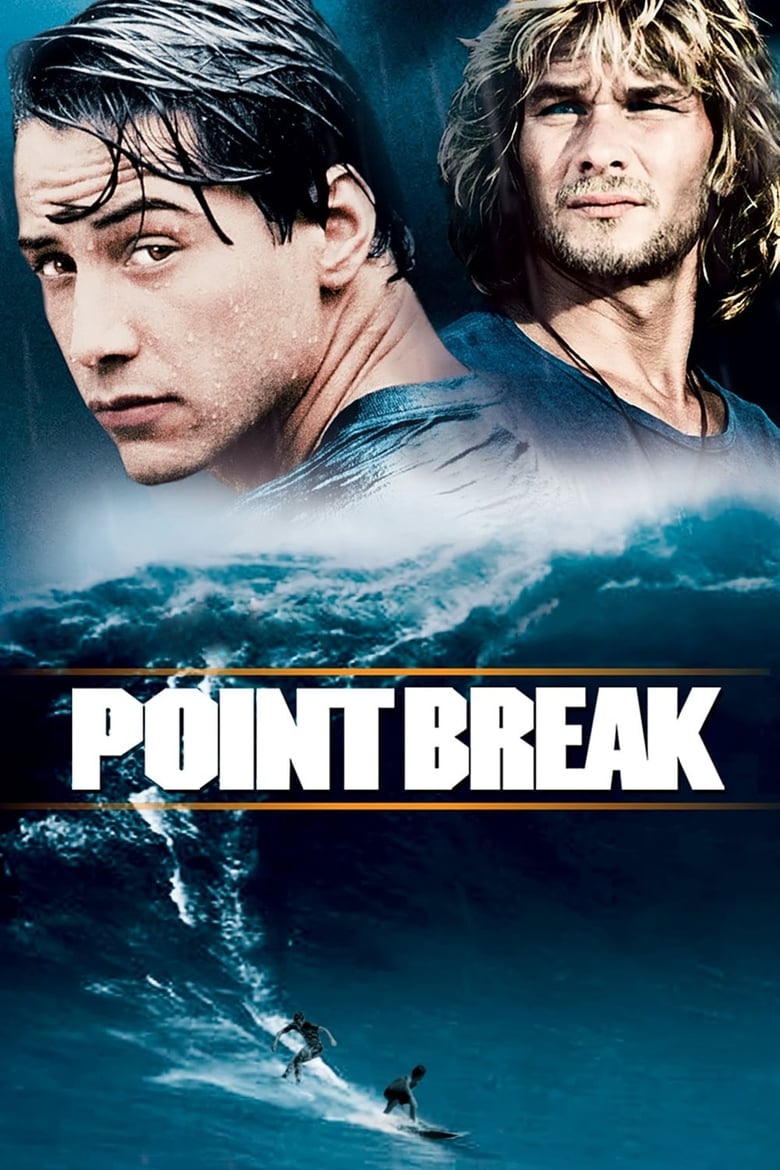
Picture the grim, tactical intensity of Heat colliding head-on with the sun-drenched, wave-riding vibes of Blue Crush. That is the gloriously absurd reality of Kathryn Bigelow's 1991 classic, and I mean that as the highest possible compliment. Point Break is a film that should not work. On paper, it is completely ridiculous. In practice, it is an absolute blast.
We are asked to buy into a gang of philosophical, surf-obsessed bank robbers, led by the magnetic Patrick Swayze, being relentlessly pursued by a deeply undercover FBI agent. The premise is so inherently ludicrous that I found myself admiring the sheer, unadulterated audacity of the whole enterprise from the very first frame. It takes a certain kind of confidence to pitch something this daft with a straight face, and Bigelow carries it off.
What makes the ridiculous setup work so brilliantly is the cast's absolute, unwavering commitment to the bit. Keanu Reeves, coming into his own as an actor, brings an earnest, wide-eyed quality to Johnny Utah that is pitch-perfect. He is not winking at the camera. He is fully in it, and that sincerity is exactly what the film needs. Swayze matches him as Bodhi, all roguish charm and zen-master philosophy, and the two of them have a genuine chemistry that gives the story its emotional spine. Fair play to the supporting players as well. Gary Busey and John C. McGinley chew the scenery with a manic, chaotic energy that makes every scene they appear in feel like it might go off the rails at any moment. The dialogue is an absolute riot, saturated with so many "Brah"s and "Dude"s that it completely transcends cringe and loops right back around to being genuinely hilarious. You can tell the entire ensemble was having a tremendous time making it.
And then there are the set pieces. Bigelow proves here exactly why she is such a formidable director. The action sequences are genuinely exciting, blending visceral shootouts with breathtaking practical stunt work on the water. There is a foot chase in particular that is exhausting in the best possible way, full of the kind of propulsive, physical filmmaking that you just do not see enough of. The surfing sequences, meanwhile, have a real grandeur to them. She shoots the ocean with genuine awe.
The film also captures a very specific, fleeting moment in cinematic history. We are squarely in that glorious, awkward bridge between the unapologetic cheese of the 1980s and the dawn of the extreme-sports, MTV-generation era. It has one foot in each decade, and that tension gives it a strange, irreproducible energy. Keanu himself would go on to lean into exactly this kind of kinetic, committed action work, and if you enjoy him here, it is well worth checking out what he did with The Matrix and John Wick.
Point Break is a film that demands you leave your critical baggage at the door. Go in looking for a tightly wound, logically airtight crime thriller and you will be thoroughly disappointed. Go in willing to lean into the sheer, unadulterated fun of it all, and it reveals itself as a wonderfully bonkers piece of action cinema that knows exactly what it is and executes it with real technical polish. It is not a perfect film. The plot, if you prod it too hard, will fall apart in your hands. But perfection was never the point. The point was Swayze on a wave, Reeves sprinting down an alley and Bigelow holding the whole beautiful mess together with complete conviction.
Three and a half stars.
Rating: ★★★½ | Year: 1991 | Watched: 2026-08-11
Where to watch
Watch in the UK
Stream: Amazon Prime Video · Amazon Prime Video with Ads
Rent: Apple TV Store · Rakuten TV · Amazon Video · Google Play Movies
Buy: Apple TV Store · Rakuten TV · Amazon Video · Google Play Movies
Physical: Amazon UK · Zavvi
Watch in the US
Stream: fuboTV · Peacock Premium · Philo · AMC Plus Apple TV channel
Rent: Amazon Video · Apple TV Store · Google Play Movies · YouTube
Buy: Amazon Video · Apple TV Store · Google Play Movies · YouTube
Physical: Amazon US
Affiliate disclosure: Movies With Macca may earn a small commission on purchases or subscriptions started via these links. It costs you nothing extra.