
mid90s (2018)

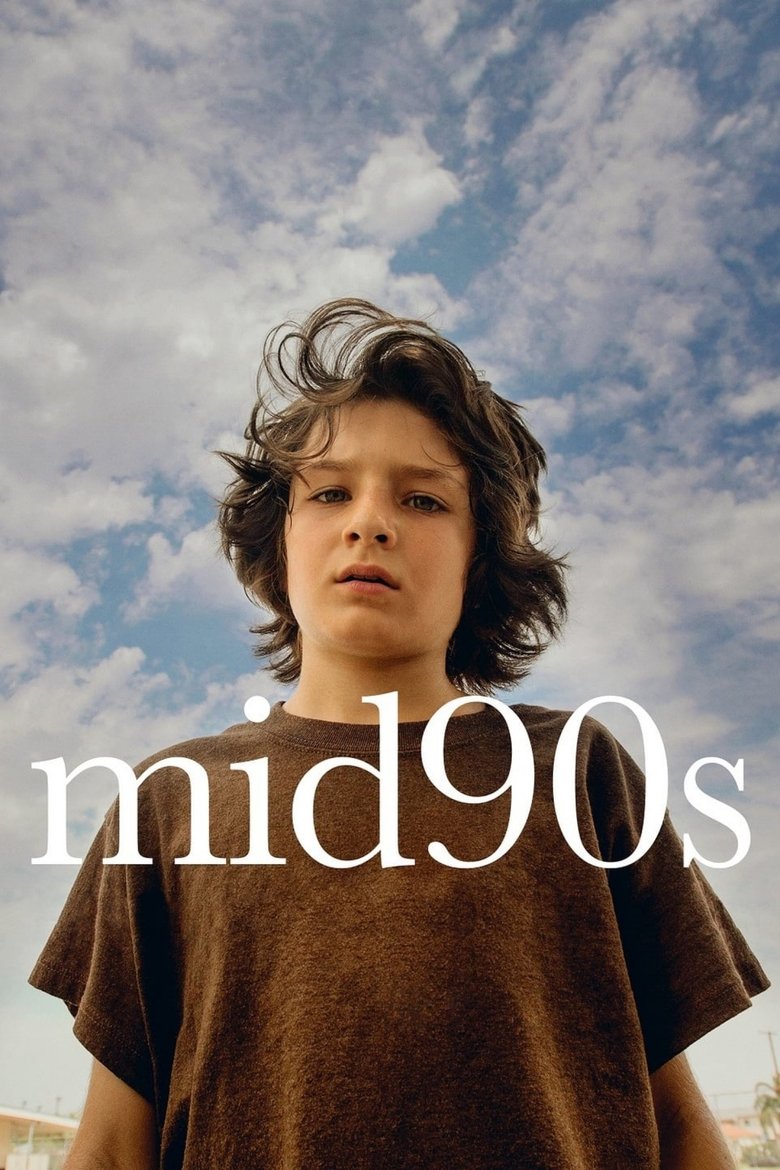
There's a very specific, visceral thump to the soundtrack of mid90s that hit me somewhere deep in the chest the moment it started. I was a skater kid growing up in the UK, and those tracks, that particular blend of hip hop and noise rock bleeding from a boombox, dragged me back instantly to cruising the pavement with my mates, completely oblivious to the concrete rushing beneath our wheels. Jonah Hill's directorial debut doesn't just evoke the nineties, it physically reconstructs them, and for someone who lived through that era with a board under their arm, that's no small achievement.
Watching it now, though, brings something else entirely: a profound, creeping anxiety. Seeing the underage drinking, the reckless experimentation with drugs and girls, the sheer, unadulterated chaos of it all made me incredibly grateful I was viewing it from the safety of my living room as a father rather than reliving it firsthand. And yet, that terrifying authenticity is exactly what I experienced growing up, which is precisely what makes this picture such a cracking, immersive watch. It doesn't feel like a film set in the 1990s. It feels like a home video unearthed from a forgotten VHS tape, complete with the grainy warmth and the uncomfortable intimacy that comes with it.
At the heart of it all is the deeply relatable, universally understood quest to find your people. We follow young Stevie, played with quiet, wonderful vulnerability by Sunny Suljic, as he figures out his place in the social hierarchy of his local skate shop. Fair play to Hill for assembling such a strong cast, particularly given that several of the older skaters are non-professionals pulled straight from the scene. The camaraderie between the boys is genuinely endearing, but it's the heavier emotional beats that anchor the film. The standout moment for me is a quietly devastating scene between Stevie and Ray, played brilliantly by Na-Kel Smith, the most positive influence in his new circle. It grounds all the chaotic energy in genuine human frailty, and it lingers long after the credits roll.
Interestingly, my perspective on the story has shifted considerably since my own skateboarding days. The reckless antics are undeniably entertaining, but I found my sympathies drifting firmly towards Stevie's perpetually worried mother, played by Katherine Waterston, far more than I ever expected. That shift in empathy is, I think, the film's quiet masterstroke, even if it inadvertently exposes its one real drawback. The script never truly probes the darker, more destructive reality of this world. We watch Fuckshit casually squander his talent to a haze of alcohol and substances, we see Stevie take terrifying physical risks again and again, but the film stops short of fully reckoning with the consequences. It romanticises, occasionally, the very behaviours that can genuinely ruin lives. It keeps one foot in the warm glow of nostalgia when it might have stepped further into the shadows.
That said, the sheer, unvarnished charm of the picture is impossible to deny. Hill shoots in the Academy ratio, giving everything a boxed-in, intimate quality that suits the material perfectly. This is a film about a specific, enclosed world, about bruised knees and broken bones and fierce, fleeting friendships, and the format reflects that. It's funny, warm, and occasionally gutting, often within the same scene. It also made me think back to Youth, another film I've reviewed that understands how the passage of time changes not just who we are but how we watch stories about who we used to be.
mid90s is a remarkably assured debut from a director who clearly had something personal and specific to say, and who found exactly the right way to say it. It might not excavate every shadow of skate culture's underbelly with the rigour the subject deserves, but as a vivid, pulsating snapshot of a time and place, it's an absolute cracker. Four stars, and I'd have watched it all over again the moment the credits finished.
Rating: ★★★★ | Year: 2018 | Watched: 2026-08-03
Where to watch
Watch in the UK
Stream: MGM Plus Amazon Channel
Rent: JustWatch TV · Apple TV Store · Rakuten TV · Amazon Video
Buy: Apple TV Store · Rakuten TV · Amazon Video · Google Play Movies
Physical: Amazon UK · Zavvi
Watch in the US
Stream: HBO Max Amazon Channel · Cinemax Amazon Channel · HBO Max · Cinemax Apple TV channel
Rent: Amazon Video · Apple TV Store · Google Play Movies · YouTube
Buy: Amazon Video · Apple TV Store · Google Play Movies · YouTube
Physical: Amazon US
Affiliate disclosure: Movies With Macca may earn a small commission on purchases or subscriptions started via these links. It costs you nothing extra.



