Little Caesar (1931)

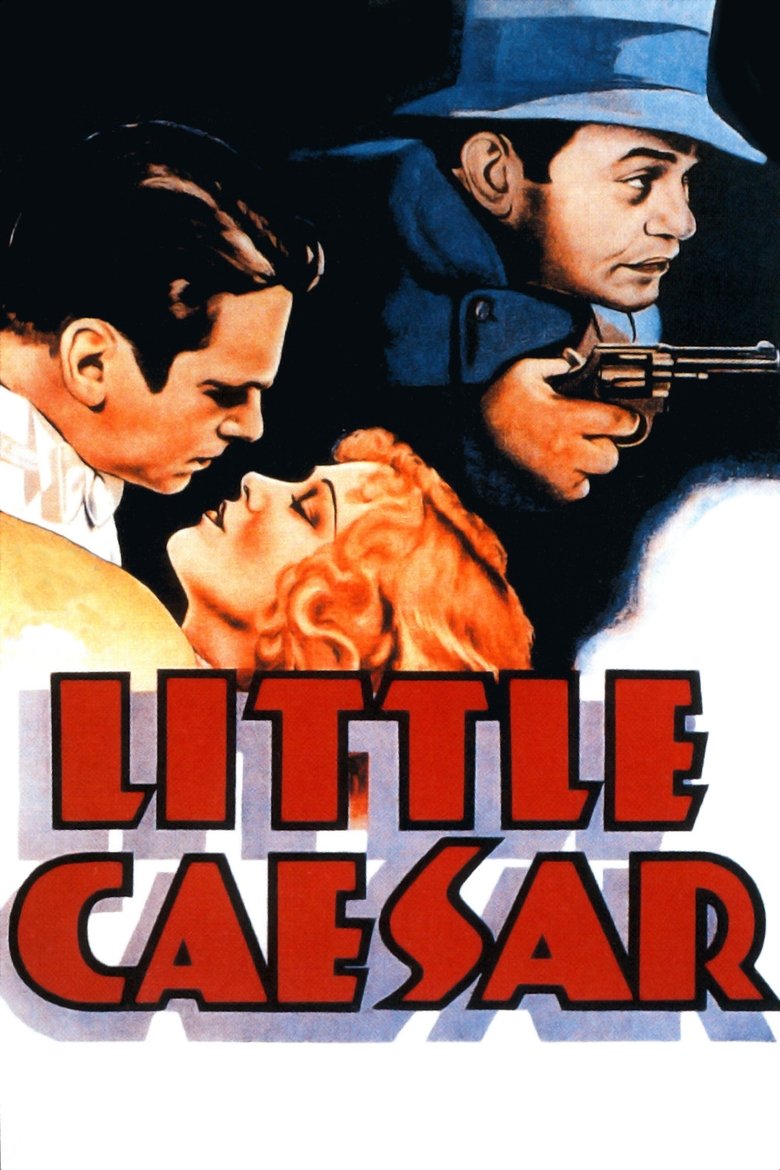
"Mother of mercy, is this the end of Rico?" It's one of the most quoted final lines in film history, and the fact that you probably already know it tells you everything about the strange position Little Caesar occupies. This is a film that matters enormously, that shaped decades of crime cinema, that gave us one of the great screen performances of its era. And yet, sitting down with it today, it's more like visiting a museum than watching a thriller. Fascinating, necessary, and just a little bit airless.
Mervyn LeRoy's 1931 picture is about as foundational as genre cinema gets. The story of Rico Bandello, a small-time hood with oversized ambitions and the ruthlessness to match, essentially wrote the rulebook. The arc was fresh then: a nobody claws his way up through the criminal underworld, burns every bridge, and meets a punishing end. By now, of course, we've seen that story told a thousand times and in a thousand ways, which is part of the problem when you come to Little Caesar fresh. What once felt electric now reads as a template rather than a film.
Edward G. Robinson, though, is still something else. His Rico is coiled and clipped and genuinely menacing, all that coiled intensity packed into a short frame, his diction sharp as a blade. You can draw a direct line from this performance to James Cagney, to Al Pacino, to pretty much every tough-talking antihero the movies have given us since. Robinson didn't just play the part, he invented the type. That's worth something, and it keeps the film watchable even when everything around him creaks.
And creak it does. Little Caesar arrived right at the awkward dawn of the sound era, and you can feel the growing pains in almost every scene. The camerawork is static, planted in place like a stage production that hasn't quite worked out it's allowed to move. The dialogue delivery is stagey in that particular early-talkie way, deliberate and just slightly unnatural. There are stretches of near-silence where a score might have carried the emotion, but the technology and the conventions hadn't caught up yet. The result is something that can feel oddly flat, closer in texture to a filmed play than to the kinetic crime pictures that would follow.
The pacing is brisk enough, I'll give it that. This isn't a film that wastes your time. But brisk and gripping aren't the same thing, and too often I found myself watching with an academic interest rather than any genuine tension. I was thinking about what the film meant more than I was feeling it. That's a sign you're watching a relic, not a living piece of cinema.
The influence, though, really is impossible to overstate. You can feel Little Caesar's DNA running through Scarface, through The Untouchables, through Goodfellas. The seductive, self-destructive pull of criminal ambition, the loyal sidekick who becomes collateral damage, the inevitable morally punitive downfall: all of it starts here, or close enough to here that it makes no difference. In the same way that watching People on Sunday gives you this strange feeling of watching cinema figuring itself out in real time, Little Caesar has that quality of a medium finding its feet and stumbling onto something that would echo for generations.
So where does that leave it? Three stars feels right. It's a film I'm glad exists, glad I've seen, and wouldn't particularly rush to revisit. It commands respect rather than demanding affection. Robinson's performance is the real treasure here, a piece of screen history that still crackles even when the film around it feels dated. But if you come to it expecting the tension and depth of the genre classics it helped inspire, you'll be left a little cold.
Watch it for what it is: a historically vital, technically limited, and narratively straightforward piece of work that essentially built the house everyone else has been living in ever since. A solid relic, not a timeless masterpiece. And that's fine. Not every foundational text needs to be a great read.
Rating: ★★★ | Year: 1931 | Watched: 2026-05-29
Where to watch
Watch in the UK
Physical: Amazon UK · Zavvi
Watch in the US
Rent: Amazon Video · Apple TV Store · Google Play Movies · YouTube
Buy: Amazon Video · Apple TV Store · Google Play Movies · YouTube
Physical: Amazon US
Affiliate disclosure: Movies With Macca may earn a small commission on purchases or subscriptions started via these links. It costs you nothing extra.