Listen to the Voices (2024)

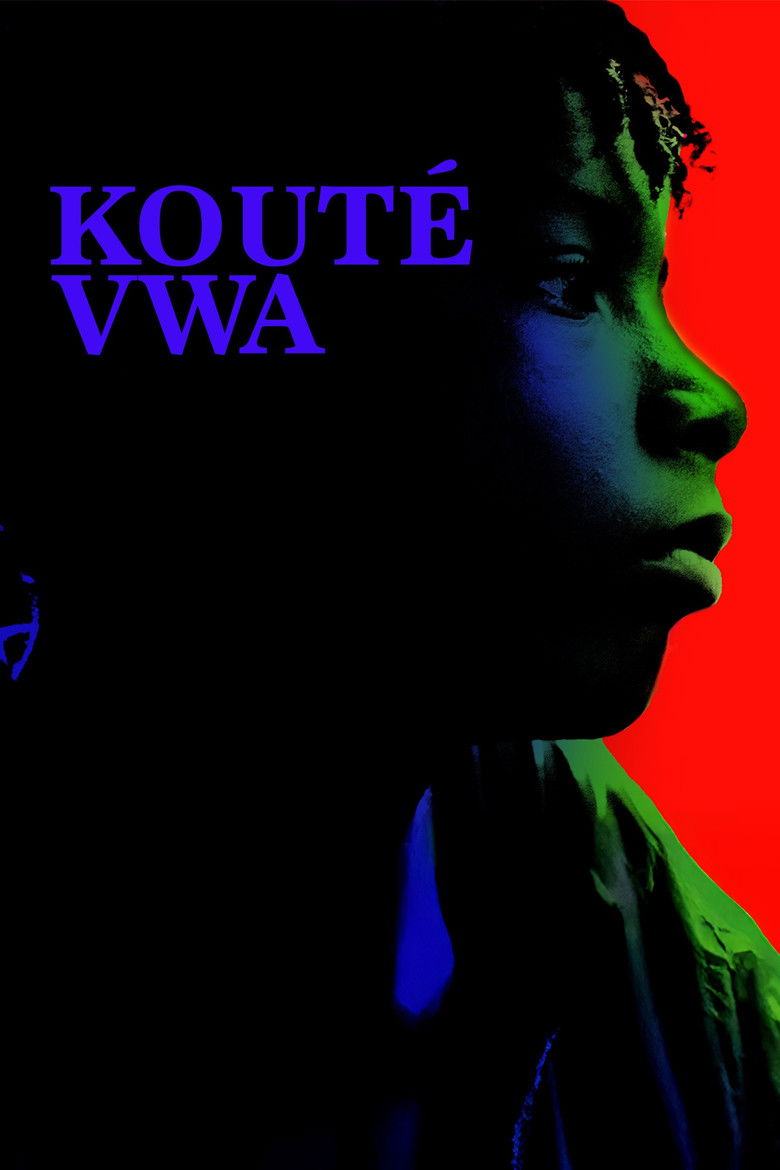
There's a moment early in Listen to the Voices where a grandmother and her teenage grandson are ribbing each other about girlfriends and social media, and it's so warm and unforced that you almost forget you're watching a film. It feels like you've wandered into someone's actual living room. That's the thing about Maxime Jean-Baptiste's 2024 debut feature: it earns your trust completely in its opening act, and then uses that trust to take you somewhere much harder.
The film follows Melrick, a young lad visiting his grandma in a neighbourhood in French Guiana, played by the director's own cousin, also called Melrick. The casting choice tells you everything about Jean-Baptiste's approach. This isn't a film reaching for drama; it's a film reaching for truth. That early stretch of easy, lighthearted family banter functions as a kind of gentle deception. You're lulled into thinking you're watching something small and sweet. But it's really just the appetiser.
Because gradually, unavoidably, the weight of a past tragedy settles over everything. Melrick's uncle, Lucas, was murdered years before the events of the film, and that loss still ripples through the community in ways both spoken and unspoken. The conversations shift register entirely. Lucas's best friend, Yannick, and the grandmother find themselves offering almost opposing views on grief, vengeance, and what forgiveness actually looks like in practice. Jean-Baptiste handles these exchanges with a confidence you wouldn't necessarily expect from a first-time director working with non-professional actors on what is clearly a tight budget. The rawness of the material never tips into melodrama. It stays grounded, specific, and real.
A lot of that comes down to the filmmaking style. Jean-Baptiste shoots handheld throughout, giving the whole thing a documentary texture that suits the material perfectly. Because the cast are essentially playing versions of themselves, drawing directly on the director's own family history, the camera's restless, unpolished movement feels less like an aesthetic choice and more like a natural fit. It doesn't feel shaky for the sake of it; it feels honest. The low-budget look might put some viewers off, and there are moments where the rough edges show a bit more than they should, but I'd take that over a slicker, more distanced treatment any day. The emotional beats land precisely because they don't feel engineered.
Watching it, I kept thinking about films like Boyz n the Hood and City of God, not because Listen to the Voices operates on quite the same scale, but because it's grappling with the same vicious circle of violence and community and how grief passes between generations whether people want it to or not. It belongs in that conversation. Films tackling similar territory from the margins, like Murina, remind you how much a filmmaker can do when personal investment replaces budget as the driving force, and Jean-Baptiste absolutely has that investment here. This is clearly a story he needed to tell.
It's not a flawless film. The pacing in the second half wobbles a little, and there are a few scenes where the documentary aesthetic starts to feel slightly at odds with more clearly staged moments. But these are minor complaints against a picture that gets the important things right. The performances feel lived-in, the central questions about how a community heals from violence feel genuinely urgent, and Jean-Baptiste shows a real instinct for when to let a scene breathe and when to cut away.
Three stars from me, and that feels fair without being dismissive. This is a promising, moving debut from a director worth watching. You don't need a massive budget to make a film that gets under your skin. Listen to the Voices proves that convincingly.
Rating: ★★★ | Year: 2024 | Watched: 2026-06-13