Life is waiting: referendum and resistance in Western Sahara (2015)

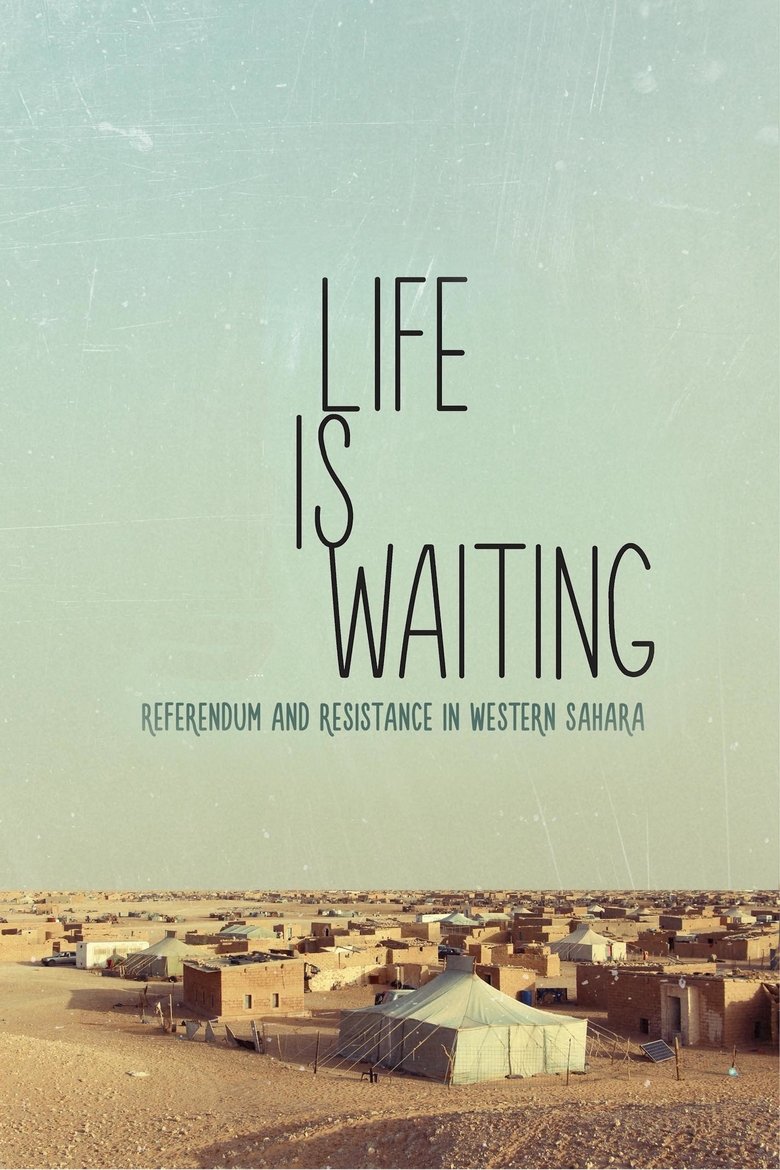
There is a massive, glaring blind spot on the global map that most of us simply look right past. You know the kind: a place that flickers occasionally onto your radar in a news ticker, then vanishes again before you can even locate it. Iara Lee's 2015 documentary Life is Waiting: Referendum and Resistance in Western Sahara grabs you by the collar and forces you to look directly at that blind spot, and I found it genuinely difficult to look away.
Billed as the "last African colony", Western Sahara operates in a bizarre, stateless limbo that feels a bit like the Wild West, a stretch of desert caught between competing claims, broken promises and an international community that has collectively decided it has better things to worry about. It is honestly astounding to sit there and realise that a territory of this size lacks centrally recognised governance. Lee does a cracking job of dragging this largely ignored corner of the world into the light, and the film works precisely because it refuses to let you shrug and move on.
Now, I'll be the first to admit this is not a slick, high-budget production. The filmmaking is raw, low-budget, stitching together on-the-ground interviews with historical archival footage in a way that occasionally feels a little rough around the edges. But fair play to Lee, because that unvarnished quality actually works in the film's favour. By presenting the material in an unpretentious, unfiltered way, it sidesteps the sterile, overly polished sheen that plagues so many modern political documentaries. You feel the dust and the frustration of the Sahrawi people precisely because the camera never seems to be putting on airs. The form matches the content, and that is no small thing.
The heart of the picture is the ongoing, grinding fight for independence and self-determination, tracing the messy history that produced this current geopolitical stalemate. Watching locals discuss their lack of basic sovereignty is a sobering experience, particularly when you clock just how completely the international community has looked the other way. It's a deeply educational watch that takes a complex territorial dispute and breaks it down into profoundly human terms. These are real people waiting on a referendum that was promised decades ago and has never arrived. That is an extraordinary story, and it deserves to be told.
There are moments where I wished the film pushed a little harder, dug a little deeper. You get the shape of the injustice clearly enough, but some of the historical context could have used more room to breathe. It is the kind of doc that makes you want to go away and read a book rather than feeling you have fully understood everything by the end. That is arguably a mark of good journalism, though. It opens a door rather than closing one.
If you have even a passing interest in post-colonial history or global politics, this is a genuinely worthwhile couple of hours. It reminded me a bit of my experience watching The Ants and the Grasshopper, another documentary that takes a struggle most audiences would never otherwise encounter and makes it feel urgent and immediate. Lee has crafted a vital piece of advocacy filmmaking here, and its rough edges are part of its honesty rather than a weakness to hold against it.
A forgotten people, a stalled promise and a film that refuses to let either simply vanish into the noise. Three and a half stars.
Rating: ★★★½ | Year: 2015 | Watched: 2026-07-31
Where to watch
Watch in the UK
Rent: Apple TV Store · Google Play Movies · YouTube
Buy: Apple TV Store · Google Play Movies · YouTube
Physical: Amazon UK · Zavvi
Watch in the US
Rent: Apple TV Store · Google Play Movies · YouTube
Buy: Apple TV Store · Google Play Movies · YouTube
Physical: Amazon US
Affiliate disclosure: Movies With Macca may earn a small commission on purchases or subscriptions started via these links. It costs you nothing extra.