Landscapes of Shame (2026)

I always feel a particular kind of disappointment when a film whose argument I broadly agree with still manages to lose me, and that was my experience with Landscapes of Shame, Patrick Hough's essay film, which I caught at the BFI London Film Festival. The history it draws on is real and important, but as a piece of cinema I found it a genuine slog, and two stars feels fair.
Structured as a kind of diary, it follows a man returning to Ireland after the death of a relative, using that grief as a doorway into a wider meditation on the country's haunted landscapes, its lost traditions, and the way ecological extinction and cultural suppression braid together into a single long story of colonial erasure. It is unambiguously damning of the English, and on the substance I have no quarrel with that. I happen to live in St Ives in Cambridgeshire, where Oliver Cromwell once resided and where we still have a statue of him, so I am thoroughly familiar with what a horrid piece of work he was and the devastation inflicted on Ireland in particular. The film is not wrong about any of that.
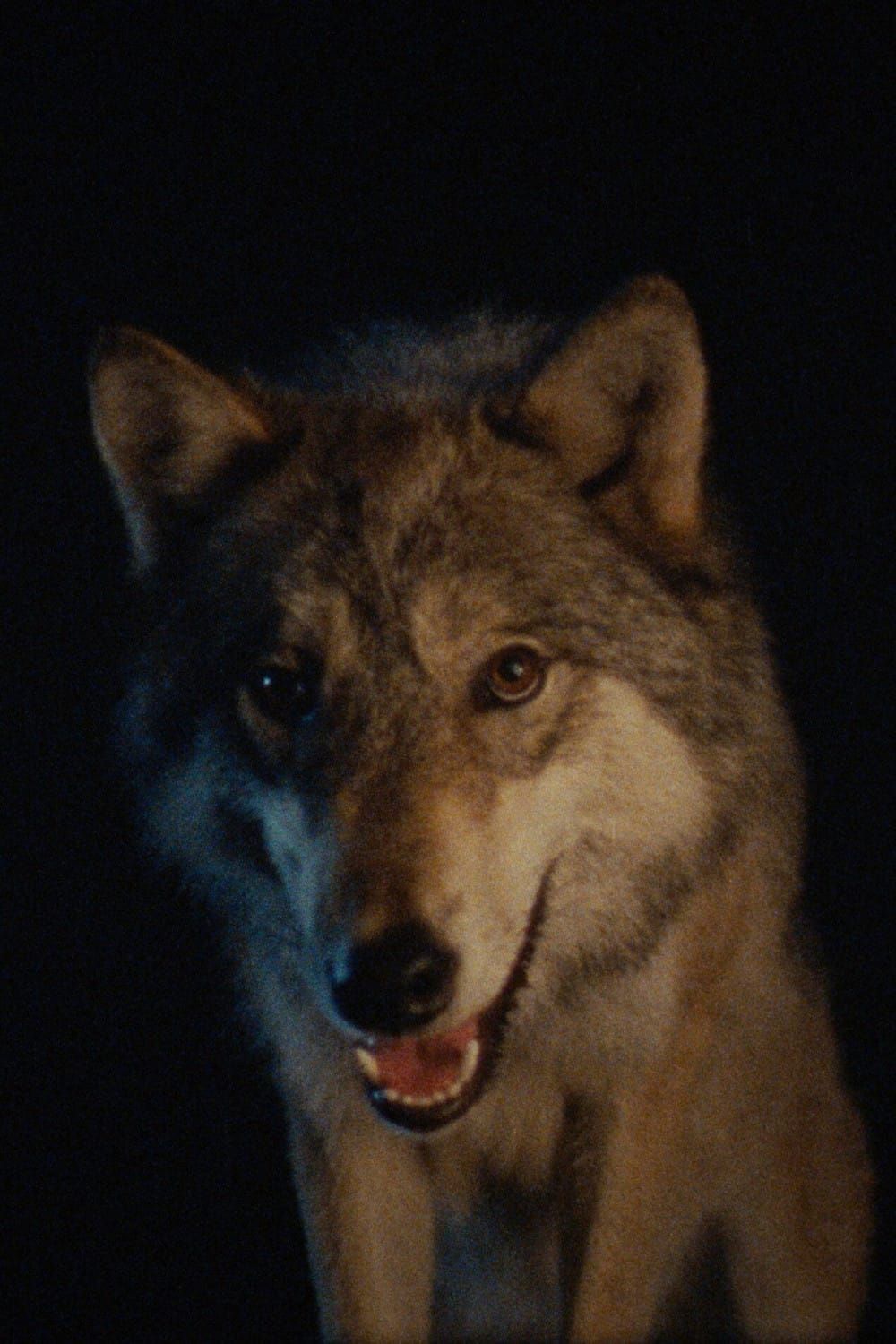
The writing itself is decent, and shot on 16mm there are moments of real textural beauty in the landscapes it lingers over. You can feel the seriousness of intent, and in a gallery setting, which is where work like this often lives, I can imagine it landing rather differently, encountered in fragments rather than in one sitting.
But sitting with it start to finish, it wore me down. For all the gravity of its subject it struck me as a touch preachy and pretentious, so intent on delivering its thesis that it forgets to let you arrive at anything yourself, and worse, it is horrendously one-note. There is really only one register here, one mood, one argument restated in slightly different words, and across a full thirty minutes that monotony became genuinely boring. Thirty minutes felt like an age, and I kept wishing it would either deepen, complicate itself, or simply end.
Two stars. Landscapes of Shame is sincere, handsomely shot and built on a subject that absolutely deserves attention, and I suspect it will speak powerfully to viewers more attuned to the slow, essayistic, gallery-film register than I was on the day. For me, though, its relentless single note and its faintly lecturing tone drained the power out of a history that should have hit far harder than this did.
Related on Movies With Macca
More from Country Ireland: I Swear (2025), Song of the Sea (2014), Jaha's Promise (2017)
More from the 2020s: All That's Left of You (2025), The Whale (2022), Look Back (2024)
More documentary: Sumo: Spirit Weighs Nothing (2026), Listen (2026), Mon Taxi (2026)