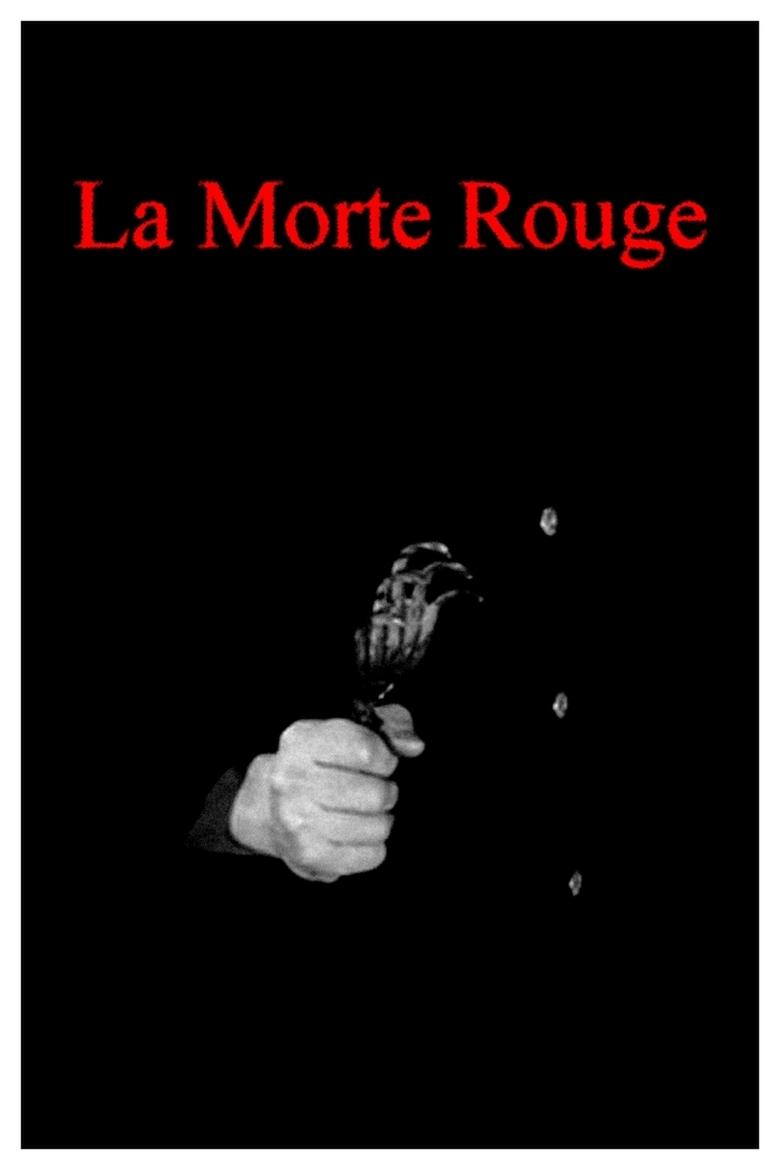
La Morte Rouge (2006)
Víctor Erice is the sort of filmmaker whose name gets spoken in hushed, reverential tones in certain corners of the film world, and not without good reason. The Spanish director made his feature debut with The Spirit of the Beehive in 1973, a film that became one of the defining works of European cinema, and followed it with the equally admired El Sur in 1983. What makes his reputation all the more striking is how little he has made. A handful of features across five decades, supplemented by short films and video essays, is the sum total of his output. That scarcity has, if anything, burnished the myth. La Morte Rouge, produced in 2006 by Nautilus Films, arrives as a short documentary running at just 34 minutes, commissioned as part of a broader project exploring personal relationships with cinema. The title is borrowed from the Spanish idiom for what English speakers know as The Scarlet Claw, the 1944 Sherlock Holmes picture directed by Roy William Neill and starring Basil Rathbone, which Erice identifies as quite probably the first film he ever saw as a child. That childhood viewing took place in the shadow of the post-Civil War years in Spain, a period of fear, poverty and grief that shaped an entire generation's inner life, and it is that charged historical atmosphere which provides the piece with much of its emotional weight. The film sits in interesting company alongside other cinematic meditations on memory and history: fans of the blog who read Macca's piece on Josep will recognise a similar preoccupation with how the Spanish Civil War's long aftermath haunts artistic expression.
As a production, this is a modest affair by any measure, which is not in itself a criticism. Erice serves as the sole credited on-screen presence, providing narration and reflection rather than conducting interviews or building a conventional documentary argument. The film was made within the framework of a larger anthology project, which perhaps explains its deliberately personal, essayistic shape. The form places it in a tradition of first-person film essay that stretches from Chris Marker to Agnes Varda, and Erice's critical standing meant the short attracted genuine attention from the international cinephile community. It has since appeared on the "They Shoot Pictures, Don't They?" list of the top 1,000 films of the 21st century, which is the sort of endorsement that tends to send expectation soaring well ahead of the running time. Whether the film lives up to that reputation is precisely the question Macca turns to, and it is worth noting that this kind of gap between critical pedigree and actual experience is something the blog has grappled with before, most notably in the review of Uncle Boonmee Who Can Recall His Past Lives, another critically garlanded work that tested the patience of viewers more accustomed to traditional filmmaking craft.
For those approaching La Morte Rouge fresh, the context is worth holding onto. This is not a film about Sherlock Holmes, nor really about Roy William Neill's picture, except as a doorway. It is about what cinema does to a child's mind, what it means to watch something frightening in a small town during a frightened era, and how memory warps and preserves those early experiences across a lifetime. Erice has spoken elsewhere about cinema as a kind of dream state, and that philosophical tendency is present throughout his work. Whether that translates into a satisfying short film, or whether the execution matches the ambition, is the crux of things.
Víctor Erice’s 2006 short film La Morte Rouge is considered one of the top 1000 films of the 21st century by the esteemed "They Shoot Pictures, Don't They?" list and I honestly have no idea why.
Going in, I was expecting a masterful piece of visual poetry from the legendary director, but what I actually got was a deeply perplexing viewing experience. It’s a project that clearly holds a lot of personal significance for Erice, serving as a nostalgic reflection on memory, cinema, and the past, but from the very first frame, it struggles to justify its prestigious critical ranking.
That being said, if you strip away the visual presentation and just listen to the audio, there is undeniably a beating heart at the centre of this project. The spoken word content is genuinely moving and heartfelt, carrying a profound, melancholic weight that speaks to the universal human experience of loss and nostalgia. Erice’s script is beautifully arranged, and as someone who appreciates emotive, well-crafted words, I found myself genuinely touched by the poetic musings on the silver screen. You can absolutely feel the director's deep, abiding love for the medium of cinema, and that pure, unadulterated passion shines through the melancholic narration.
However, where the film completely falls down is in its incredibly amateuristic execution. As a piece of visual storytelling, it is bafflingly poor, relying heavily on static photographs of locations accompanied by the voiceover, stitched together with what can only be described as clunky, PowerPoint-style transitions. I always find documentaries unengaging if the pacing or visual content doesn't align, and this hyper-low-budget, slideshow approach completely alienated me. It lacks any of the vibrant cinematography or grounded, accessible filmmaking I look for, making it feel less like a cinematic triumph and more like a poorly edited university lecture.
La Morte Rouge is a curiosity that is saved from being a total wash purely by the emotional resonance of its script. Víctor Erice has crafted a deeply personal, heartfelt tribute that will undoubtedly resonate with hardcore cinephiles who appreciate the theoretical side of the medium. But when the presentation is this rudimentary and the visual graft is this lacking, it simply cannot be considered a good documentary by any traditional metric.
It’s a beautifully spoken but visually baffling misfire that proves even the most poetic words can't save a film from its own technical shortcomings.
There is something genuinely worth sitting with in the conversation this film opens up, even if the film itself proves frustrating. The tension between an artist's reputation and the work in front of you is one of the more honest challenges any film writing has to face, and Macca does not shy away from it here. La Morte Rouge will likely remain essential viewing for devoted followers of Erice and for those drawn to cinema's more reflective, self-examining corners, much as readers interested in personal and poetic documentary might find themselves gravitating toward the blog's coverage of Moana. For a general audience, though, the case for it as a landmark is a hard one to make on the film's own visual terms. Sometimes a love letter to cinema is more moving to write than it is to receive.
Rating: ★★ | Year: 2006 | Watched: 2026-07-09