Hungry Wives (1972)

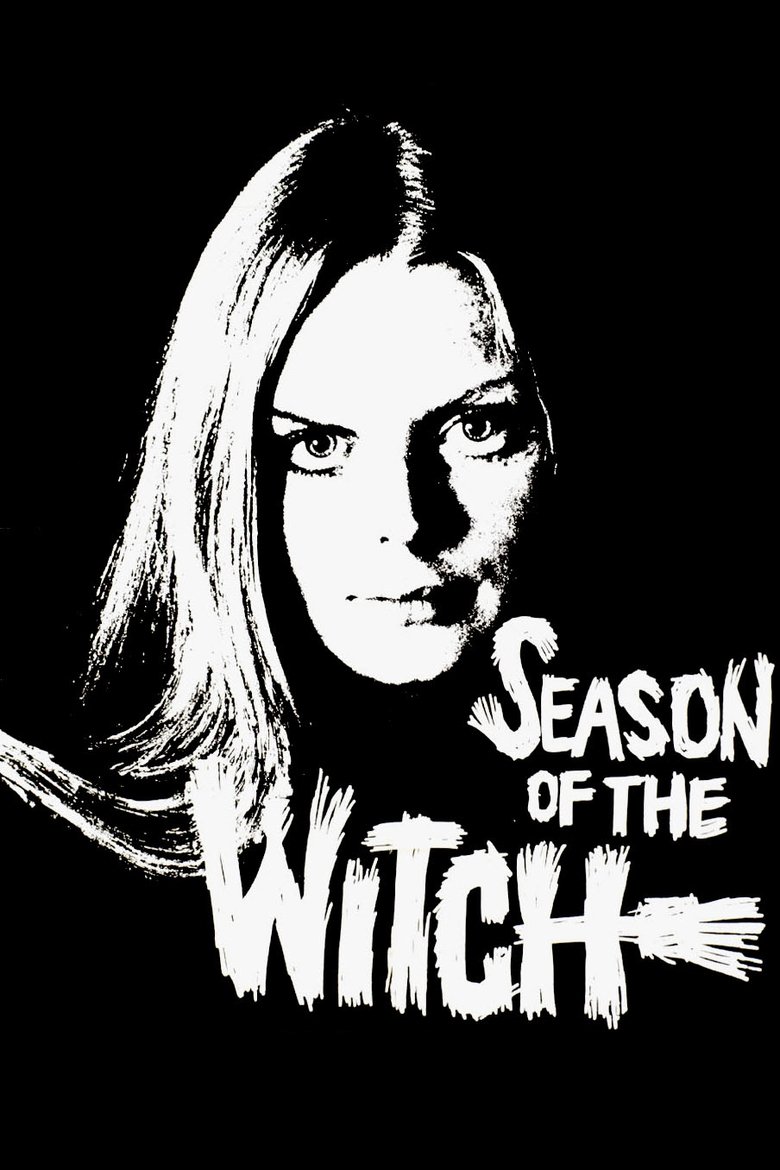
Ten films deep into a director's back catalogue and you start to think you know what you're getting. With George A. Romero, I thought I had a reasonable handle on it: sharp social commentary wrapped in viscera, monsters as metaphor, chaos as critique. Then I sat down with Hungry Wives (also known as Season of the Witch) and found myself in entirely different territory. No zombies, no gore, no flesh-eating spectacle of any kind. Just a woman, a suburb, and a creeping, suffocating sense that something has gone very wrong with her life long before any witchcraft enters the picture.
This is my tenth Romero film, part of an ongoing mission to work through everything the man made, and it might be the one that's surprised me most. Not because it's his best, but because it reveals just how restless and varied his instincts were. Where something like The Crazies channels his social anxieties into a propulsive, feverish nightmare, Hungry Wives sits completely still and lets the dread pool around your ankles. It's a film about a housewife quietly unravelling, seeking power and identity through witchcraft in a world that has otherwise made her functionally invisible. The horror here isn't supernatural. It's domestic. It's existential. It's the horror of being utterly overlooked.
Romero was always so much more than a genre director, and this film is one of the clearest proofs of that. He's working here as a satirist and a psychologist, training his camera on the stifling reality of the 1970s American housewife with genuine curiosity and sympathy. The premise is fascinating: what does belief do for a person who has been stripped of agency? Whether the witchcraft is real or a projection of desperate need almost doesn't matter. What matters is what it does to her, and Romero is patient enough to let that question breathe.
And breathe it does. Fair warning: this film moves slowly. Deliberately, unapologetically, almost defiantly slowly. If you arrive expecting a brisk narrative or conventional scares, you're going to find it a challenge. The editing is methodical, the pacing languid, the tension built through lingering domestic detail rather than incident. I can absolutely see how that rhythm loses people. There were moments where I felt it too, where I wanted the film to push forward and instead it just... sat there, observing.
But for those willing to meet it on its own terms, there's a lot worth admiring. The psychological unease accumulates in interesting ways, and Romero's eye for the textures of ordinary life gives the film a grounded, almost anthropological quality. This isn't a horror film pretending to be serious. It's a serious film that occasionally wears horror's clothes.
It won't be everyone's cup of tea, and I wouldn't call it essential Romero in the way that Day of the Dead is. It's a film with real ideas and genuine craft, but also real limitations, a budget that shows and a pace that tests. Three stars feels right: flawed, slow, but honest and thought-provoking in ways I didn't expect from film number ten in a zombie director's filmography. Onwards with the mission.
Rating: ★★★ | Year: 1972 | Watched: 2026-07-28
Where to watch
Watch in the UK
Stream: Arrow Video Amazon Channel · Shudder Amazon Channel · ARROW
Rent: Apple TV Store · Amazon Video · Google Play Movies · YouTube
Buy: Apple TV Store · Amazon Video · Google Play Movies · YouTube
Physical: Amazon UK · Zavvi
Watch in the US
Stream: Philo · AMC+ Amazon Channel · AMC+ Roku Premium Channel · Shudder Amazon Channel
Rent: Amazon Video · Apple TV Store · Google Play Movies · YouTube
Buy: Amazon Video · Apple TV Store · Google Play Movies · YouTube
Physical: Amazon US
Affiliate disclosure: Movies With Macca may earn a small commission on purchases or subscriptions started via these links. It costs you nothing extra.