Harvie Krumpet (2003)


Adam Elliot is not a filmmaker who deals in the comfortable or the tidy. The Melbourne-born writer and director built his reputation through a series of short clay-animated films, each one a small, handmade biography of someone living at the margins: disabled, lonely, overlooked, and yet somehow persisting. His earlier shorts, Uncle, Cousin, and Brother, established a house style that is warm without being saccharine, funny without being cruel. Harvie Krumpet, produced through his own outfit Melodrama Pictures and released in 2003, is the culmination of that early period, and the film that brought him international attention when it won the Academy Award for Best Animated Short Film in 2004. At twenty-two minutes, it is brief, but it carries the weight of a full biography: a Polish immigrant named Harvie Krumpet lurches through a life of compulsive tics, routine misfortune, odd jobs, and a home-made collection of "fakts" (his spelling, worn around his neck like armour against the world's absurdity).
The production is stripped to essentials in the best possible sense. Elliot wrote the film himself, extending the same approach he had taken with his earlier work: one writer, one vision, no committee. The claymation is visibly handmade, all fingerprints and imperfect textures, and that physicality is a genuine creative decision rather than a budget limitation. Elliot has spoken in interviews about wanting the material to feel touched, literally shaped by human hands, so that the emotional life of the characters feels embedded in the very surface of the thing. Bill Murphy's editing is worth noting too. Cutting a short film is a particular discipline: there is no fat to trim because there was no fat to begin with, and Murphy keeps the episodic structure moving at a pace that allows each small catastrophe to land before the next one arrives. The score, from an uncredited composer, leans folk-inflected and unhurried, a dry, slightly melancholic backdrop that suits a film about a life lived quietly and badly and sometimes well.
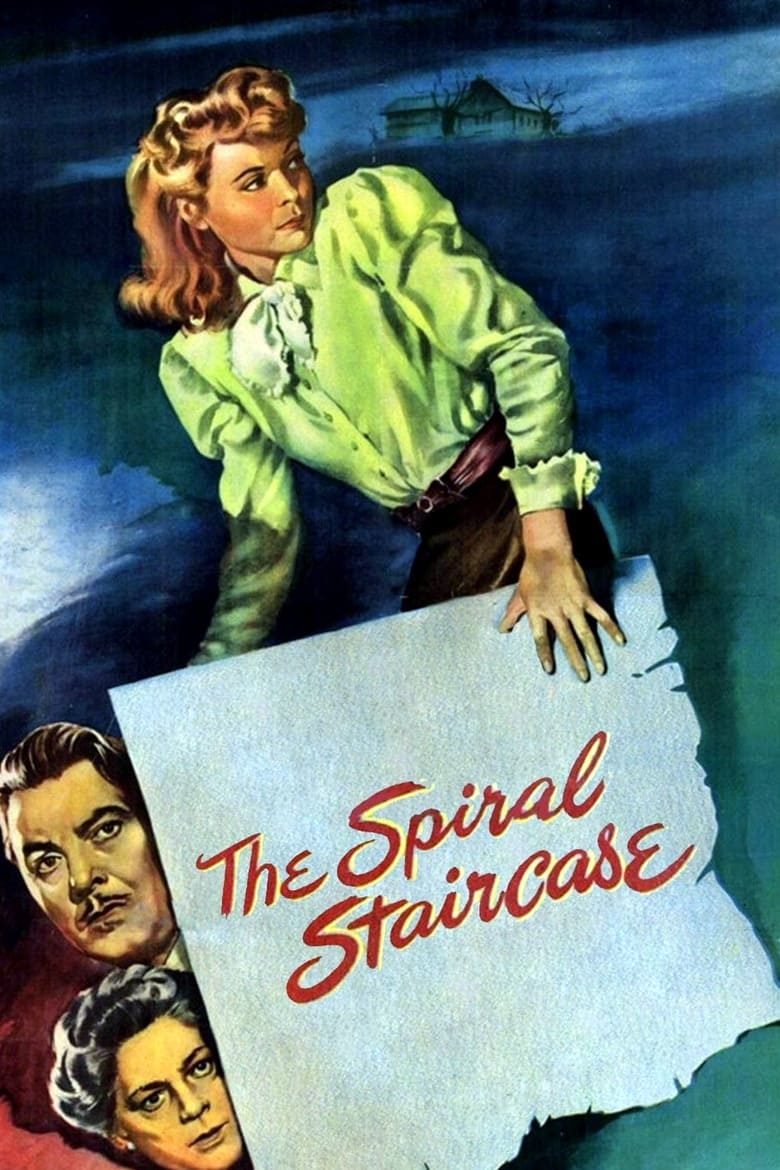
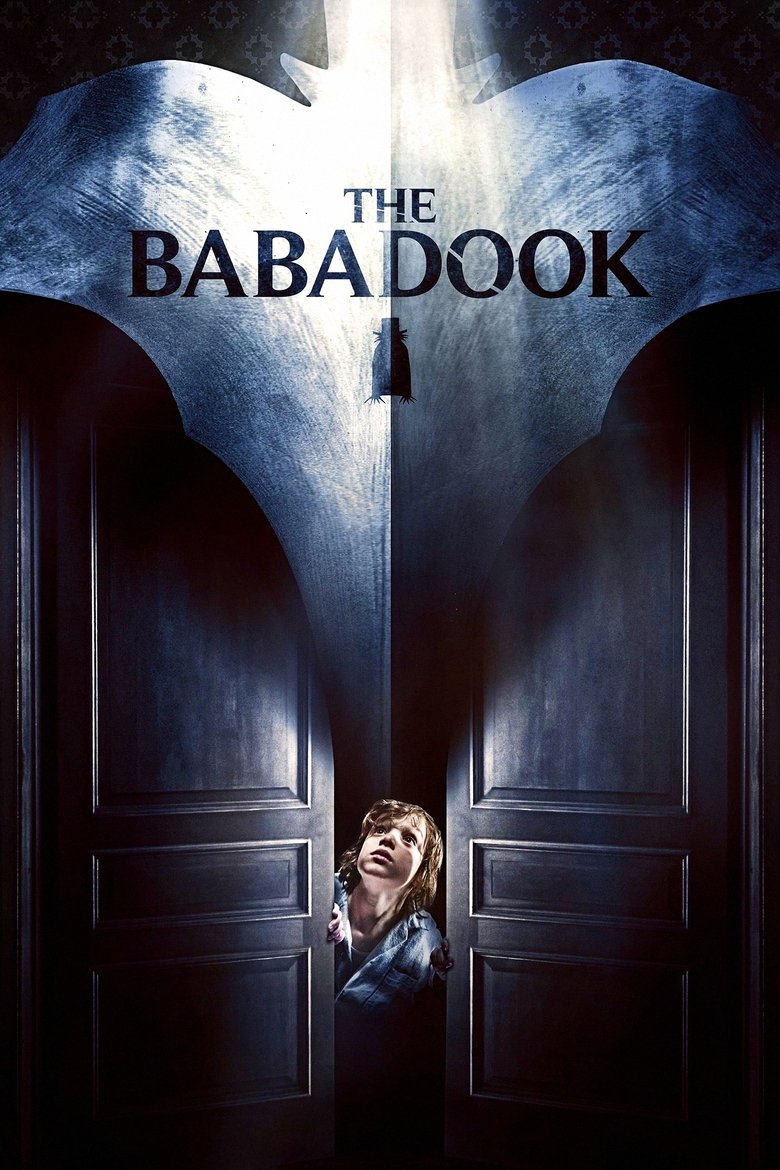
The cast is small but well chosen. Geoffrey Rush leads by voice, narrating Harvie's story with the kind of dry authority that implies affection without ever signalling it too heavily. Rush was already an Oscar winner by this point (for Shine in 1996) and something of a fixture in Australian cultural life, but this is a very different register from the theatrical work he was doing elsewhere at the time (his Captain Barbossa in the Pirates of the Caribbean series, which I covered starting with Pirates of the Caribbean: The Curse of the Black Pearl, is about as far from Harvie Krumpet as it is possible to get). John Flaus, Julie Forsyth, and Kamahl fill out the supporting voices, each bringing enough character to make their small roles feel inhabited rather than functional. Australian animation is a genuinely distinctive tradition, and films like this sit alongside live-action work such as Picnic at Hanging Rock in demonstrating how consistently Australian filmmakers have found their own tone, separate from Hollywood convention. For something more recent from Australian cinema, see also Talk to Me, which could hardly be more different in approach but shares that willingness to commit to a difficult emotional register without blinking.
Harvie Krumpet pulls off a tricky balance: it is bleak and often tragic, and yet it is also very funny, frequently in the same breath.
It is a stop-motion animated short, a shade over twenty minutes of hand-made claymation, following the life of its title character, a Polish-Australian everyman on whom misfortune seems to rain without pause. By rights it should be a miserable sit. Somehow it is a delight.
The comedy grows out of exactly how relentless the tragedy is, one calamity heaped onto the next until the sheer accumulation tips over into something absurd and oddly life-affirming. There are a couple of jolting shocks along the way too, moments that catch you flat-footed, and the lumpy, imperfect, fingerprinted look of the animation fits the material perfectly, carrying all the warmth and sorrow of a whole life in clay.
Holding it together is the narration, dry and clever and doing a good deal of the comic and emotional heavy lifting, delivered beautifully by Geoffrey Rush. He lands on just the right register, sympathetic without ever sliding into sentiment, so you feel for Harvie without being asked to pity him. Three and a half stars, a small, bittersweet gem that fits more heart and humour into twenty-odd minutes than plenty of films manage in two hours.
Harvie Krumpet arrived in the same year as a great deal of louder, more expensive animation, and it won its Oscar anyway, which tells you something about what a confident piece of work it is. Elliot would go on to make his debut feature, Mary and Max, in 2009, expanding the same universe of gentle misfits to feature length. But there is something to be said for the short form, for the discipline of having to earn every minute. This is a film that knows exactly what it is and exactly how long it needs to be, and those are rarer qualities than they sound. Small things, made with care, tend to last.
Rating: ★★★½ | Year: 2003 | Watched: 2026-09-28
Trailer
▶ Watch the official trailer for Harvie Krumpet (2003) on YouTube
Where to watch
Watch in the UK
Stream: ShortsTV Amazon Channel
Physical: Amazon UK · Zavvi
Watch in the US
Stream: OVID · Eternal Family
Rent: Google Play Movies · YouTube
Physical: Amazon US
Affiliate disclosure: Movies With Macca may earn a small commission on purchases or subscriptions started via these links. It costs you nothing extra.