Godzilla Minus One (2023)

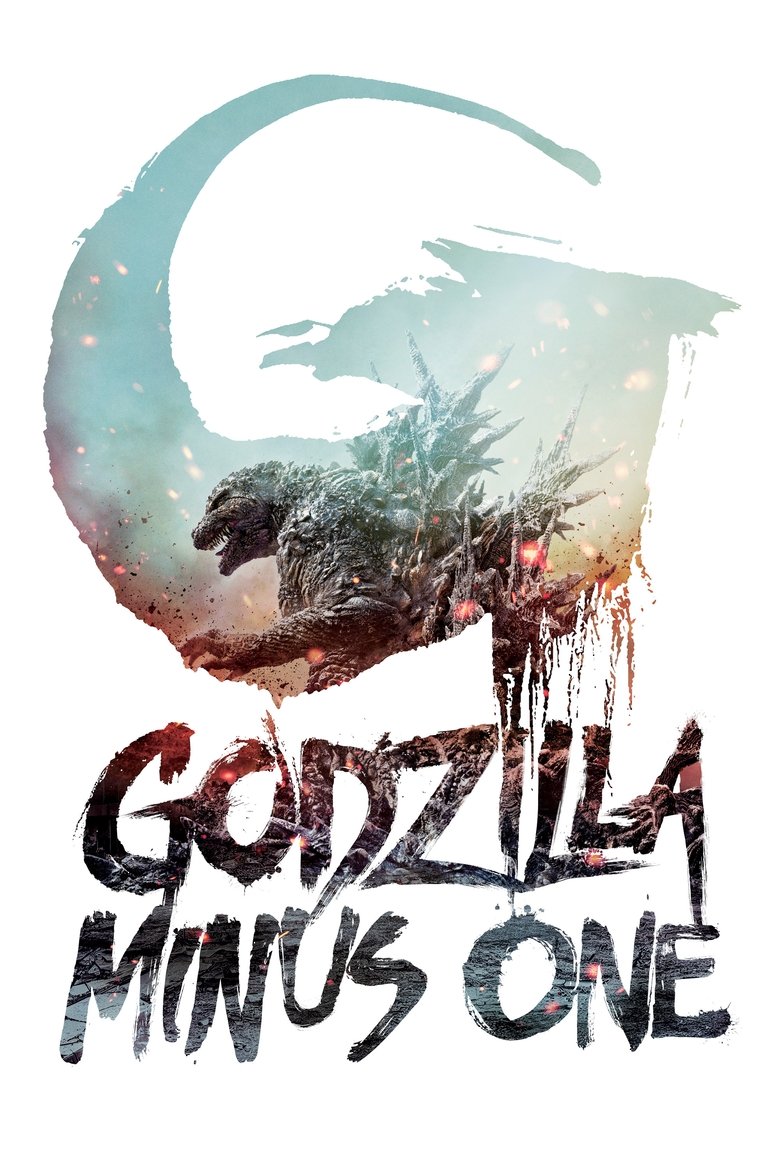
When you buy a ticket for a Godzilla picture, you already know exactly what you're getting. You're there for the roaring, the stomping, and the spectacular destruction of Japanese infrastructure. The question is never really will the monster show up. It's whether anyone bothered to make you care in the meantime. More often than not, the answer is a resounding no. Godzilla Minus One is a different beast entirely, and I mean that in the best possible way.
What director Takashi Yamazaki has pulled off here is genuinely staggering, and it starts with the visuals. When you learn this was made on a comparatively tiny budget (somewhere in the region of fifteen million dollars, if memory serves), the jaw-dropping scale of the creature design and the city-levelling set pieces simply don't add up. It looks like a multi-hundred-million-dollar Hollywood blockbuster. That's a cracking achievement in an era where major studios throw obscene amounts of cash at CGI that still manages to look like melted plastic. Whatever Yamazaki and his team are doing differently, someone in the industry ought to be taking notes.
But a giant radioactive lizard is only as good as the humans running away from it, and this is where the film genuinely surprised me. I actually cared about the people on screen, which is not something I say lightly when it comes to kaiju cinema. Ryunosuke Kamiki, playing a guilt-ridden survivor wrestling with the wreckage of post-war Japan, does a brilliant job of anchoring the human drama. He brings a quiet, lived-in pain to the role that gives the film a beating heart most entries in this franchise completely lack. The wider cast match him for earnestness too. They sell the terror and the tragedy so convincingly that you momentarily forget you're watching a digital monster the size of a skyscraper.
Because of that surprisingly strong emotional foundation, I have to say this is easily the Godzilla film I've enjoyed the most. Usually these pictures are loud, messy affairs that blur into a two-hour headache by the time the credits roll. Minus One takes the time to build a compelling post-war narrative, so that when Godzilla does arrive, it feels like a genuine, terrifying escalation rather than a scheduled nuisance. The historical trauma of the setting and the unadulterated, popcorn-munching thrill of a monster brawl sit side by side, and somehow, miraculously, it works. It reminded me in some ways of how The Boy and the Heron also managed to smuggle real emotional weight into an otherwise spectacular piece of fantastical Japanese filmmaking. Both films suggest there's something in the water over there when it comes to balancing spectacle with sincerity.
If I'm being honest about where it falls short, there are moments where the film leans a little too heavily into melodrama, pushing emotional beats that have already landed just fine without the extra shove. And occasionally the pacing in the quieter stretches tests your patience slightly when, let's be fair, you're half-thinking about when the big lad is going to come crashing back through the harbour. These are minor gripes, but they're real ones.
Still, when the dust settles, this is a roaring success that proves you don't need an endless bank account to make a spectacular blockbuster. It delivers exactly the giant monster mayhem you paid for, but wraps it in a visually stunning, surprisingly moving package that puts most of its big-budget Western counterparts to shame. Yamazaki has made something that genuinely earns its critical acclaim rather than simply arriving pre-packaged with it.
Three and a half stars.
Rating: ★★★½ | Year: 2023 | Watched: 2026-07-18
Where to watch
Watch in the UK
Stream: Netflix · Netflix Standard with Ads
Rent: Apple TV Store · Amazon Video · Google Play Movies · YouTube
Buy: Apple TV Store · Amazon Video · Google Play Movies · YouTube
Physical: Amazon UK · Zavvi
Watch in the US
Stream: Netflix · Netflix Standard with Ads
Rent: Amazon Video · Apple TV Store · Google Play Movies · YouTube
Buy: Amazon Video · Apple TV Store · Google Play Movies · YouTube
Physical: Amazon US
Affiliate disclosure: Movies With Macca may earn a small commission on purchases or subscriptions started via these links. It costs you nothing extra.