Freeway: Crack in the System (2014)

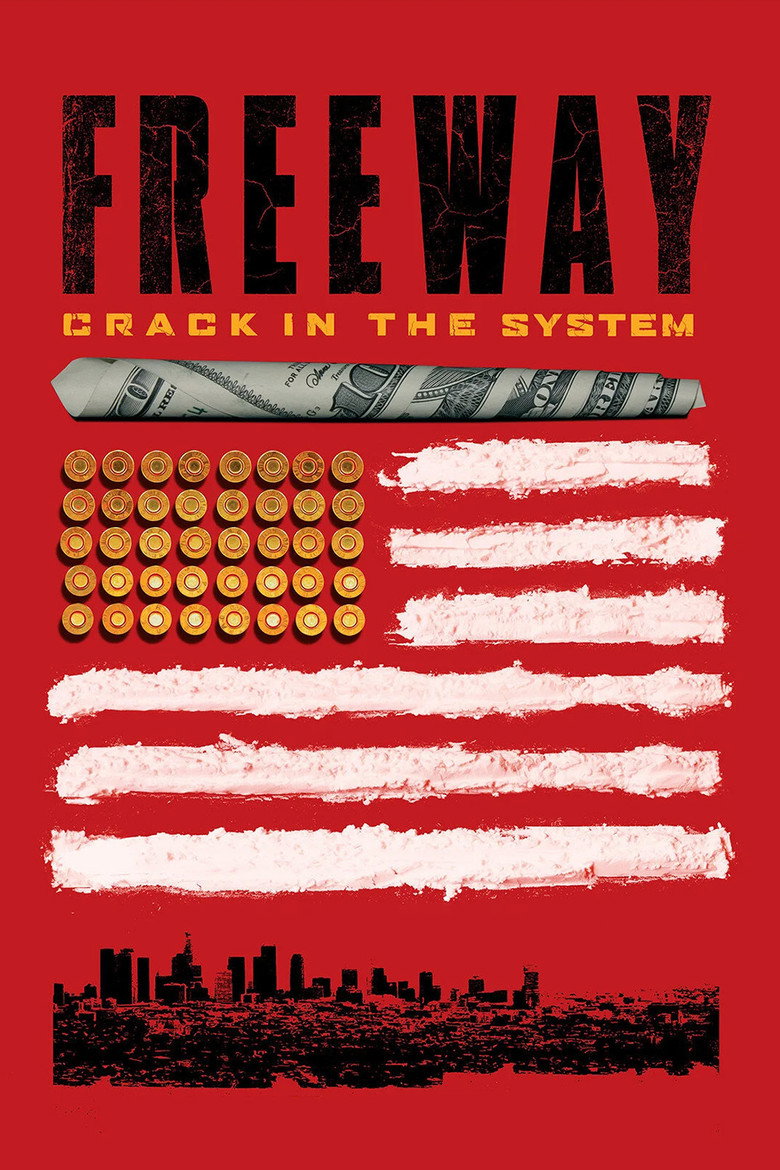
I went into this one buzzing with anticipation. As a massive fan of Snowfall and someone who's spent a fair amount of time reading and watching around the American crack cocaine epidemic, I was primed. The promise of a documentary tackling how that drug hollowed out communities, shaped a generation, and possibly involved CIA machinations in South America? That's exactly the kind of sprawling, urgent, morally tangled story I want documentary filmmakers to wrestle with. Marc Levin had all the ingredients for something genuinely essential.
What I actually got was something much, much smaller.
Freeway: Crack in the System isn't really about the crack epidemic at all, not in the way the title implies. It's a profile, almost exclusively, of one man: "Freeway" Rick Ross, the notorious Los Angeles drug kingpin. And look, fair enough, he's a genuinely fascinating figure. Not the rapper, for the avoidance of any doubt, but the real-life dealer whose operation became one of the most notorious in American criminal history. Levin clearly had remarkable access to Ross, and there's a certain grim pull in sitting with someone who speaks so candidly about his own rise and catastrophic fall.
But here's the problem. A compelling central figure isn't enough to carry a feature-length documentary when the surrounding context is this thin on the ground. The title promises a systemic examination, a crack in the system, geopolitics and street-level desperation and institutional failure all tangled together. Instead, the film plants its feet firmly in one man's personal anecdotes and refuses to move. It becomes repetitive. You keep waiting for the lens to pull back, for the film to connect Ross's story to the wider national catastrophe unfolding around him, and it just never does. It's less investigative journalism and more a true-crime podcast episode that's been stretched a bit beyond its natural length.
What makes it genuinely frustrating is that the raw archival material hints at something far richer lurking beneath the surface. You catch glimpses of the social and political forces that allowed the epidemic to take hold and spread unchecked, and in those moments you can see the documentary Levin could have made. But the film keeps snapping back to Ross, back to his anecdotes, back to a fairly standard biographical rhythm that loses its charge somewhere around the halfway mark. I found myself leaning forward whenever the narrative threatened to broaden out, then slumping back when it didn't.
It's a genuine shame. The crack era is one of the most consequential and underexamined periods in modern American history, a story about race and poverty and policy failure and, yes, some very murky intelligence community activity that still doesn't have a truly definitive screen treatment. Freeway: Crack in the System had the access, the subject matter, and presumably the intent to take a serious run at it. Instead it settles for a watchable but narrow character study. If you're after the full picture of how a drug reshaped a nation and the systems that either allowed it to happen or actively enabled it, this won't scratch that itch. You'll finish it still hungry.
Two stars. Not a disaster, but a profound missed opportunity, and for anyone coming to this with real curiosity about that era, the frustration will outweigh the entertainment.
Rating: ★★ | Year: 2014 | Watched: 2026-07-13
Where to watch
Watch in the UK
Rent: Apple TV Store · Amazon Video · Google Play Movies · YouTube
Buy: Apple TV Store · Amazon Video · Google Play Movies · YouTube
Physical: Amazon UK · Zavvi
Watch in the US
Stream: Amazon Prime Video · fuboTV · Amazon Prime Video with Ads
Rent: Amazon Video · Apple TV Store · Google Play Movies · YouTube
Buy: Amazon Video · Apple TV Store · Google Play Movies · YouTube
Physical: Amazon US
Affiliate disclosure: Movies With Macca may earn a small commission on purchases or subscriptions started via these links. It costs you nothing extra.