Elephants in the Fog (2026)

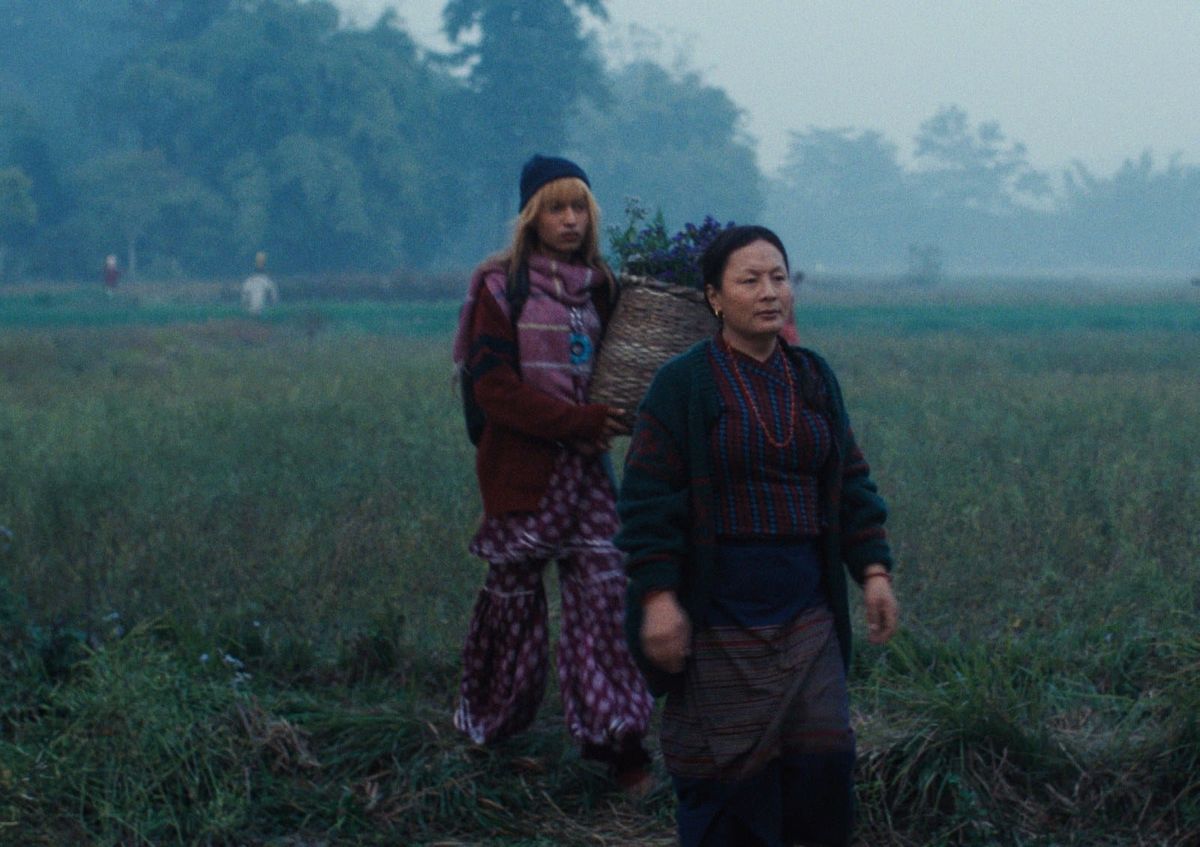
There is a quiet ambition to Elephants in the Fog, Abinash Bikram Shah's feature, that I found genuinely stirring. It is a real landmark for Nepalese cinema and a valuable addition to the LGBTQ conversation in Asia, and while a couple of things hold it back from the very top tier, it is a film well worth your time. Three and a half stars for a work of real heart and purpose.
Set in a remote Nepalese village cradled by forest, it follows Pirati, the matriarch of a house of Kinnar women, the ancient third-gender community both revered and feared in South Asian society for their believed power to bless and to curse. Pirati dreams of slipping away to a "normal" life with the Drum Master she loves, against her community's vows, but when one of her daughters vanishes during one of the nightly patrols the village mounts against marauding wild elephants, she is forced to investigate herself, and to weigh her own longing against her responsibility to the family that saved her. Puspa Thing Lama, a trans activist here making her first film appearance, carries all of this with a grounded, dignified presence that anchors the whole film.
What I admired most is how thoughtfully the film works as allegory. The elephants that crash through the village in the early stretch, destroying crops and homes and spreading fear, clearly stand in for the community's own fear of the Kinnar, the instinct to treat as a threat anything that does not fit the familiar order. And once a kind of peace is reached between the villagers and Pirati's household, the elephants return in a very different register, no longer a menace but simply part of the landscape. The fog of the title does similar work, a beautifully literal image for people's inability to see past their own prejudices. It is a film about learning to actually look at one another.
The craft is lovely throughout. Noe Bach's cinematography is intimate and tactile rather than coldly composed, keeping us close to the emotional lives of the characters, and the misty southern plains of Nepal are a world away from the usual postcard mountains. Frederic Alvarez's score blends traditional and contemporary textures in a way that gives the film a surprisingly modern pulse, and the performances across a largely non-professional cast drawn from the community itself feel lived-in and true. You can feel the two years of trust-building Shah put in behind the camera.
My reservations are twofold, and both are real. The pacing is the bigger one. The film uses the frame of a disappearance and an investigation, but it is not really a thriller, and at a hundred and eight minutes it often feels considerably longer than it is, the tension sagging in stretches where a tighter edit would have served the emotion better. And for all the elegance of its imagery, the commentary is very front-loaded and on the nose. The metaphors are powerful, but the film rarely trusts you to arrive at them yourself, underlining its themes more firmly than it needs to.
Three and a half stars. Those caveats aside, Elephants in the Fog is a sincere, visually gorgeous and quietly important piece of work, giving voice and dignity to a community too often reduced to caricature, and marking Abinash Bikram Shah as a Nepalese film-maker of real substance. It asks only that we clear a little of the fog and truly see one another, and on that count it succeeds beautifully.
Related on Movies With Macca
More from Country Nepal: Ama Khando (2019)
More from the 2020s: All That's Left of You (2025), The Whale (2022), Look Back (2024)
More drama: I Will Be Alright (2026), FarEye (2026), To the North (2026)