Tommy Lee Jones at 80: The Essential Films
Marking Tommy Lee Jones at 80: a look back across Tommy's career through the films I've reviewed.

Tommy Lee Jones turns eighty on 15 September 2026, and the milestone invites reflection on a career that has been distinctive precisely for its resistance to easy categorisation. He is an actor of remarkable range, equally at home in blockbuster franchises and austere character studies, yet there is something unmistakably singular about his approach to every role he takes on. A four-time Oscar nominee and winner for his role as U.S. Marshal Samuel Gerard in The Fugitive, Jones has built a body of work that spans decades without ever settling into the comfort of repetition or formula. At eighty, he remains active and engaged, a presence in contemporary cinema who has earned the right to be seen as a working master of his craft.
What defines Jones's work is a certain self-contained intensity, a refusal to perform for the camera in the conventional sense. He inhabits his characters with a kind of moral seriousness that can read as austere, even forbidding, yet always carries conviction. Whether playing a lawman, a villain, an authority figure, or a man out of step with the world, he brings the same level of commitment: a stillness, a watchfulness, a sense that there is far more happening behind the eyes than the script will ever explicitly state. This quality has allowed him to excel in both the intimate and the expansive, from television miniseries like Lonesome Dove to sprawling ensemble pieces. He is not an actor who dominates a scene through charisma; he commands it through presence and a kind of earned gravitas that comes from genuine engagement with the material and the character at hand.
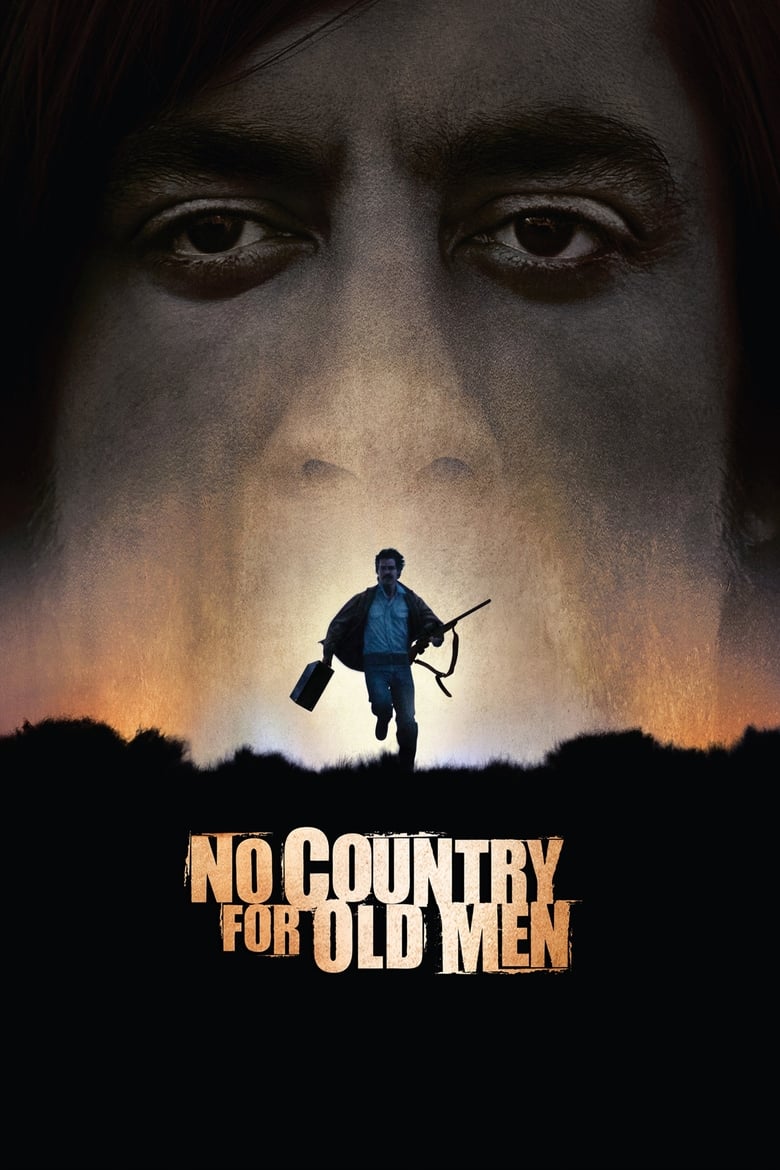
The films I have reviewed offer a representative cross-section of this range. No Country for Old Men stands as perhaps the finest showcase: Macca awarded it four and a half stars, and Jones's performance as Sheriff Ed Tom Bell is a study in encroaching obsolescence and moral bewilderment, a man confronting a violence beyond his comprehension in a world that has moved past his understanding. The Men in Black films show his capacity for lighter material without losing his core authority, though the sequels find diminishing returns, with the second outing earning three stars and the third a more modest two and a half. Batman Forever, rated three stars by Macca, found him playing the villain Two-Face in a film that did not always serve its ensemble well, yet Jones brought a fervid intensity to the role that stood out even amid the baroque production design. That he could move from the philosophical bleakness of Cormac McCarthy to comic-book villainy to the deadpan absurdism of the Men in Black franchise without losing his essential self speaks to an actor of unusual intelligence and adaptability.
The films I've reviewed:
- No Country for Old Men (2007) ★★★★½
- Men in Black (1997) ★★★½
- Batman Forever (1995) ★★★
- Men in Black II (2002) ★★★
- Men in Black 3 (2012) ★★½
At eighty, Jones continues to work, and the consistency of his output matters. He has never been an actor concerned with legacy or with resting on the accomplishment of a single great role; instead, he seems animated by the challenge of each new character, each new script, each new director's vision. In an industry that often privileges youth and flash over substance, his sustained commitment to serious work across multiple genres is itself a kind of quiet defiance. The films I have reviewed show him at various points in his career, and they reveal an actor who has aged into his own talent, who understands that the best work often comes not from trying to impress but from listening, thinking, and bringing an unforced authenticity to the part. That is worth celebrating at eighty, and it is worth watching for whatever comes next.
Related on Movies With Macca: every review featuring Tommy Lee Jones · more United States Of America films · more Action films · more articles