The Day After Tomorrow (2004)

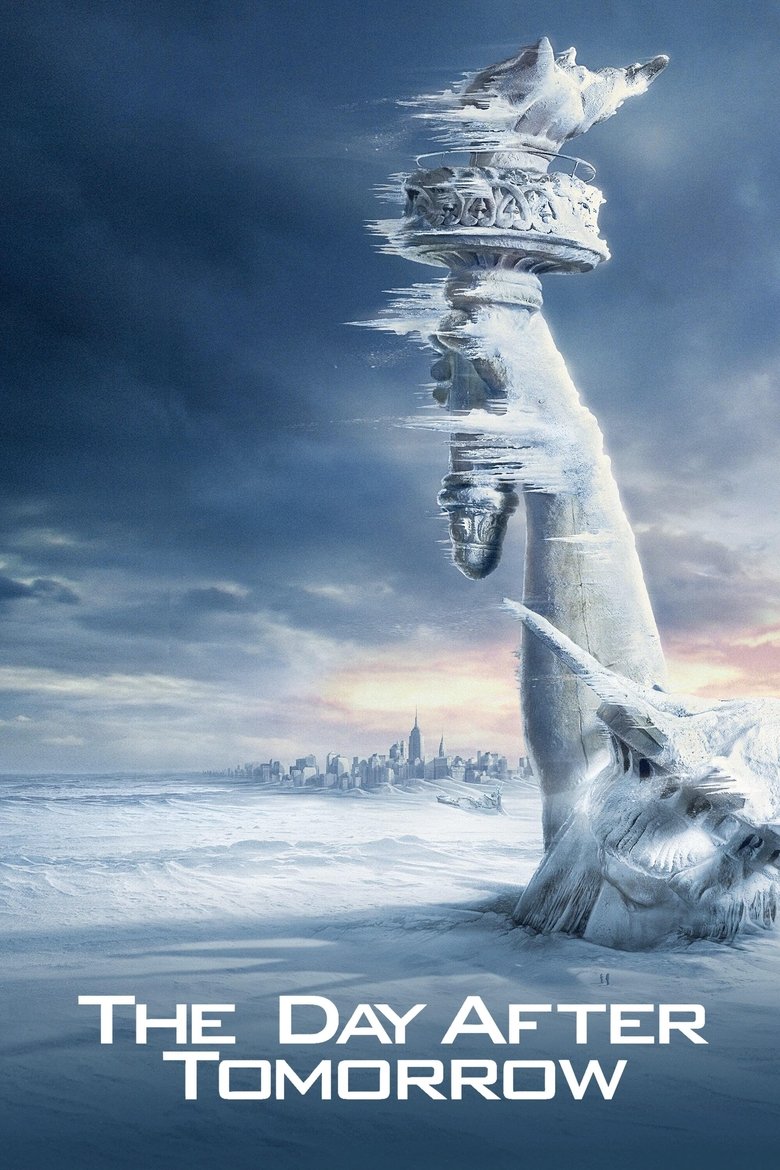
There's a very specific flavour to early 2000s blockbusters, and The Day After Tomorrow is basically the purest distillation of it. Watching Roland Emmerich's climate disaster epic now, 22 years on, is a genuinely strange experience. Not bad strange, not good strange. Just strange. Like finding an old band t-shirt at the back of your wardrobe and realising you'd completely forgotten it existed, yet the moment you see it, every memory comes flooding back. That slightly cheesy, go-big-or-go-home energy, the earnest performances, the relentless spectacle. It's all there, and it hits you like a wave of nostalgia you weren't expecting.
And speaking of waves, the set pieces are, genuinely, something else. When the ocean surges through Manhattan or helicopters freeze solid mid-flight, the sheer scale of what Emmerich puts on screen is breathtaking. I was impressed back in 2004 and, honestly, I'm still impressed now. The effects hold up far better than you might expect for a film of its age, and those sequences of total environmental annihilation are the reason this film earns its place in the disaster movie conversation. The cast, for their part, do a perfectly decent job with what they're given. Nobody here is doing career-defining work, but they play it straight and committed, and that counts for something when the world is literally freezing around them.
But here's where it gets frustrating. Because this is a film that, at its absolute peak, had the entire world's attention. It was everywhere. And it was tackling climate change, a subject that was serious in 2004 and is utterly terrifying now. Emmerich had a platform most filmmakers would give anything for, and the opportunity to say something genuinely urgent and lasting. What does the film actually do with that? It wraps everything up in a tidy little bow. A hopeful voiceover, a handful of survivors, and a sense that things are going to be alright. Billions of lives are wiped out across the course of this story, entire civilisations are erased, and the film just sort of... moves on. Like it's embarrassed to sit with the weight of what it's depicted.
That's the real missed opportunity here. The disaster sequences gesture towards something enormous and genuinely frightening, but the script never commits to following through on the implications. It trivialises the devastation almost in the same breath as it creates it. You can't have it both ways. You can't stage the apocalypse and then cheerfully wave it goodbye at the credits. There's no intellectual or emotional honesty about what a climate catastrophe of this scale would actually mean for humanity, and that absence is impossible to ignore, especially watching it in 2026 when the subject feels more urgent than ever.
It's worth saying, for comparison, that I've always had a soft spot for Emmerich doing exactly this kind of thing. I enjoyed Independence Day (1996) for leaning into its own ridiculousness with a kind of gleeful confidence. That film knows precisely what it is. The Day After Tomorrow tries to be something weightier and more meaningful, and that ambition, admirable as it is, makes the eventual cop-out sting all the more.
What you're left with is an above-average disaster film that delivers exactly what you'd expect from Emmerich in full blockbuster mode. It's fun, it's loud, it's visually spectacular in places, and if you want to switch off your brain and watch things get spectacularly destroyed for two hours, it more than delivers. But if you want a film that actually respects the gravity of the crisis it's depicting, one that uses its platform to leave you thinking rather than just gasping, you'll walk away hungry. It's a relic of a very particular era of filmmaking, entertaining and dated in roughly equal measure.
Three stars.
Rating: ★★★ | Year: 2004 | Watched: 2026-06-19
Where to watch
Watch in the UK
Stream: Disney Plus
Rent: Apple TV Store · Rakuten TV · Amazon Video · Google Play Movies
Buy: Apple TV Store · Rakuten TV · Amazon Video · Google Play Movies
Physical: Amazon UK · Zavvi
Watch in the US
Stream: fuboTV · Philo · FXNow · AMC
Rent: Amazon Video · Apple TV Store · Google Play Movies · YouTube
Buy: Amazon Video · Apple TV Store · Google Play Movies · YouTube
Physical: Amazon US
Affiliate disclosure: Movies With Macca may earn a small commission on purchases or subscriptions started via these links. It costs you nothing extra.